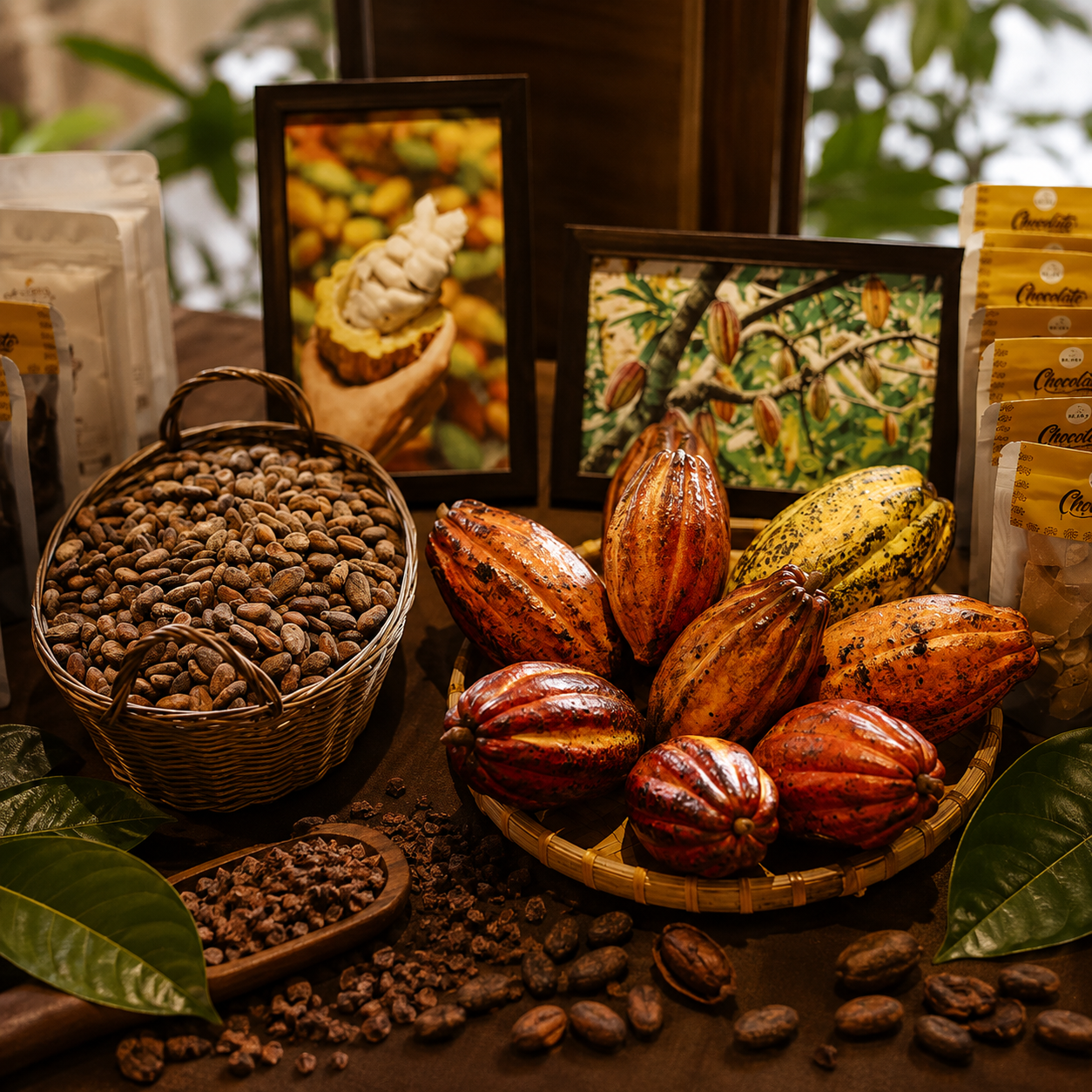
“Theobroma cacao”
The scientific name of the cacao tree — meaning "Food of the Gods" in Greek · Carl Linnaeus, 1753
Few foods on earth have travelled as rich a journey as cacao. From a wild tree in the tropical forests of Central America, through thousands of years of history, cacao became currency, a ceremonial drink, a luxury for European nobility — and was ultimately reimagined as the craft bean-to-bar chocolate we know today.
That journey is not only history; it is a story of culture, commerce and craft — spanning more than 3,000 years and still being written.
3,000 Years of Cacao: Key Milestones
Archaeological evidence dates cacao consumption to at least 1,500 years before the Common Era in what is now southern Mexico. The Olmec civilisation is the earliest recorded culture to cultivate and process cacao into a drink.
The Maya regarded cacao as sacred. Cacao beans served as currency while the drink "kakaw" — blended with water, chilli and spices — featured in marriage, funeral and religious ceremonies. The cacao tree was venerated as a divine gift.
The Aztecs called their cacao drink "xocolatl" (bitter water). Emperor Moctezuma II reportedly drank it by the dozen each day. Cacao beans were used as tax payment — 100 beans could purchase a turkey.
Spanish conquistador Hernán Cortés introduced cacao to Europe after conquering the Aztec empire. Europeans were initially unimpressed by the bitter drink — until someone added sugar.
Sweetened chocolate spread rapidly across Europe. "Chocolate Houses" opened in London, Amsterdam and Paris — meeting places for nobility and merchants to discuss business and politics over a cup.
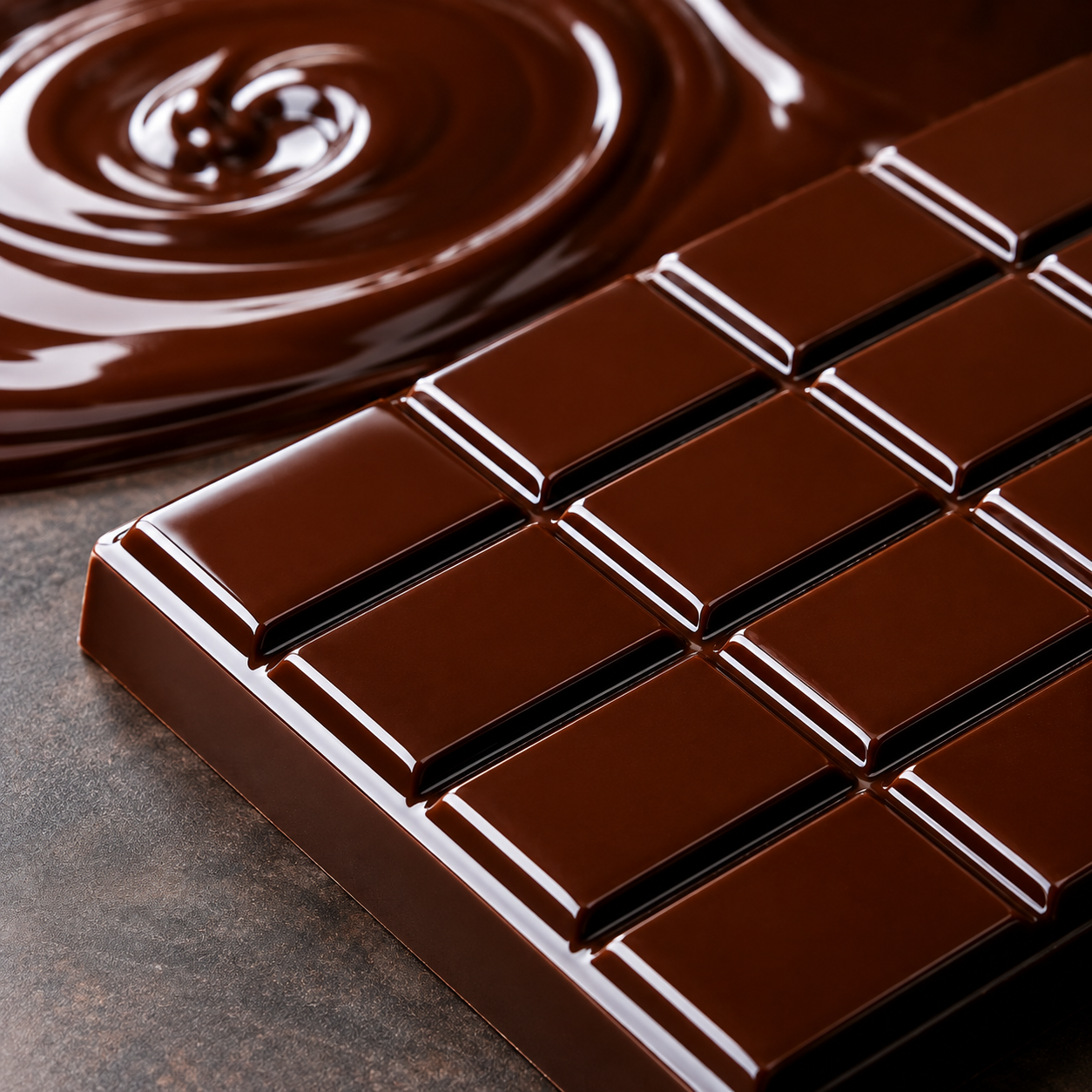
J.S. Fry & Sons of England created the first solid chocolate bar by combining cocoa butter, sugar and cocoa powder. Cacao was no longer only a drink — it became a product that could be packaged and distributed.
In 1875 Daniel Peter added condensed milk, creating milk chocolate. In 1879 Rodolphe Lindt invented the conching machine — producing the smooth, melt-in-the-mouth texture we recognise in chocolate today.
The bean-to-bar movement emerged in the US and Europe: small artisan makers source raw cacao directly, control every step of production and prioritise the distinct flavour profile of each growing origin over mass industrial output.
Facts You May Not Know
LATIN NAME
Theobroma cacao — meaning "Food of the Gods" in Greek. Named by naturalist Carl Linnaeus in 1753.
UNUSUAL TREE
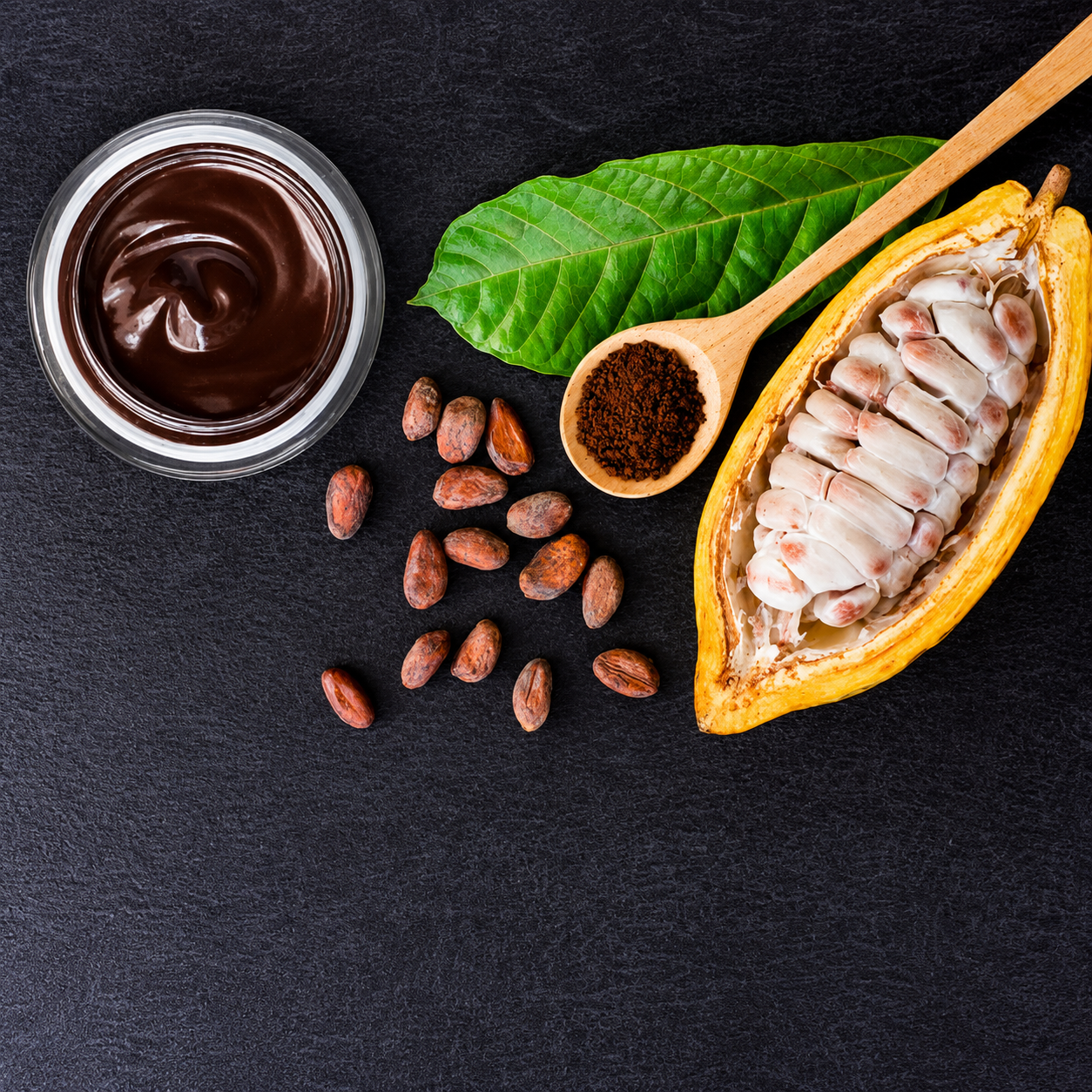
The cacao tree flowers and fruits directly on its main trunk — a rare botanical trait known as "cauliflory".
RARE GRADE
Only 6–8% of global cacao production meets the ICCO fine flavor standard. Vietnamese cacao, including Lam Dong, is officially recognised in this category.
THEOBROMINE
The primary stimulant in cacao is theobromine, not caffeine — producing a milder, longer-lasting sense of well-being.
GEOGRAPHY REVERSED
Cacao originated in Central America but over 70% of global supply now comes from West Africa. Asia — including Vietnam — is emerging as a significant fine flavor origin.
PATIENCE
A cacao tree takes 3–5 years from planting to bear fruit. Each pod contains only 20–50 beans — enough to produce roughly 1–2 bars of 100g chocolate.
From Cacao Pod to Finished Bar: The Basic Process
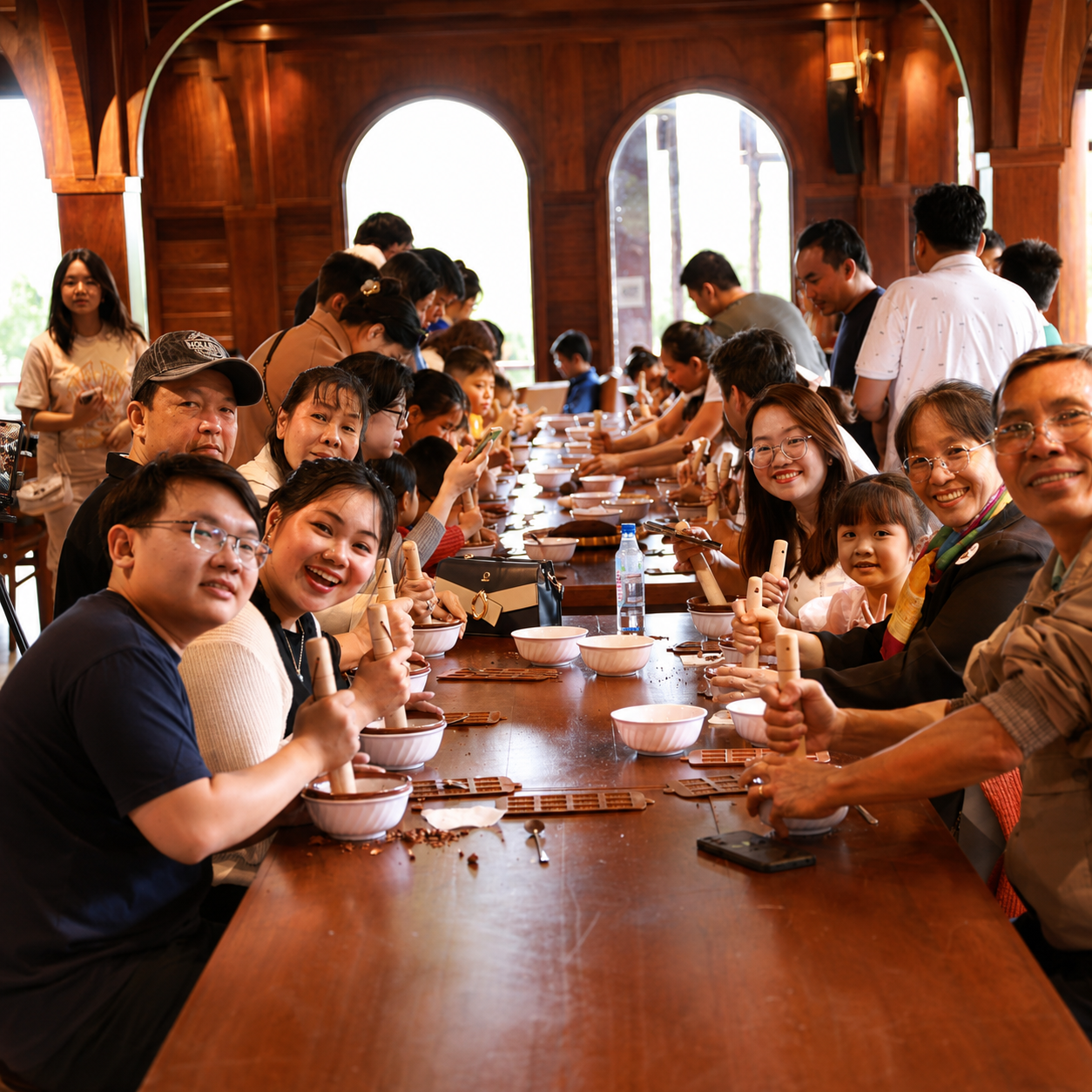
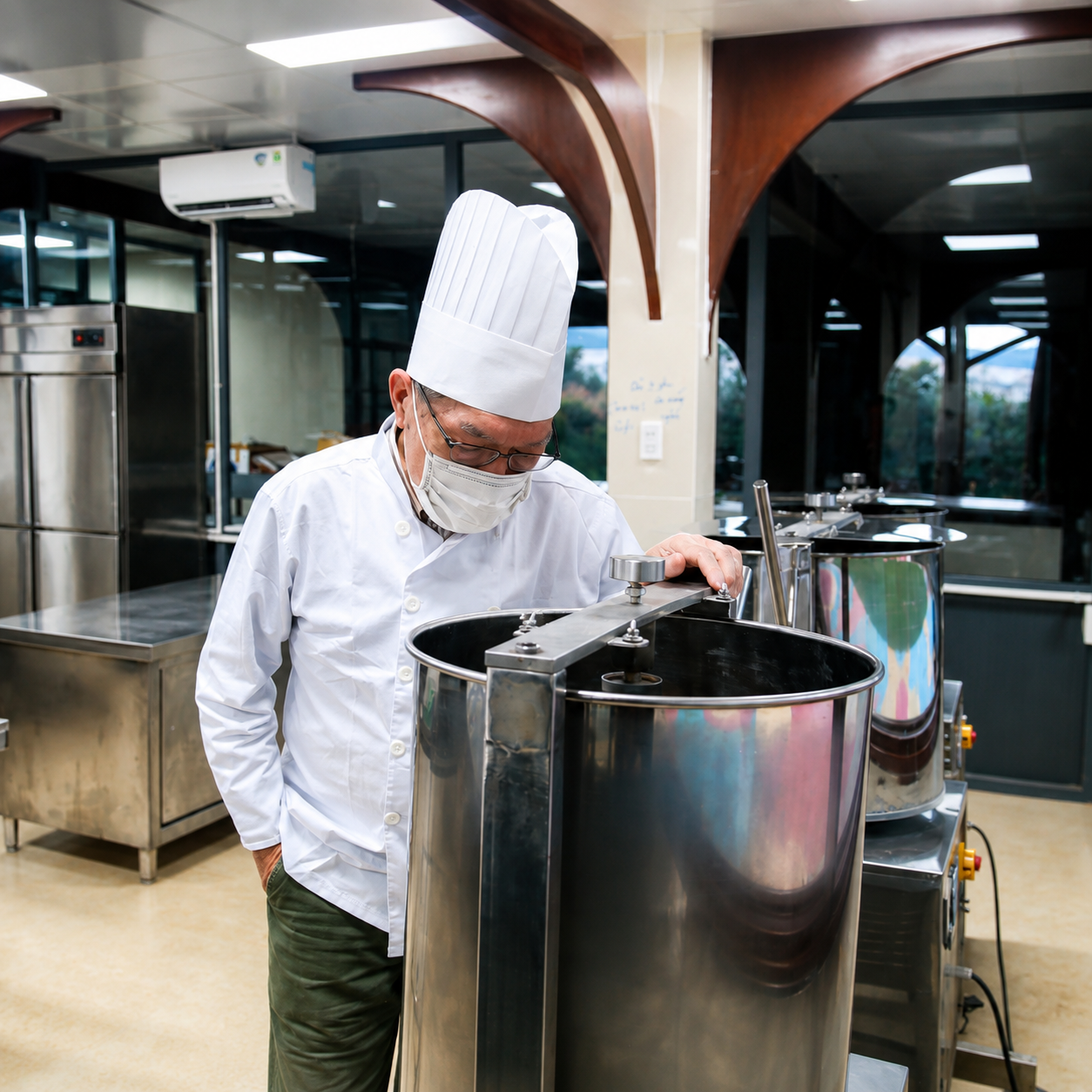
Workshop vs Production Facility: Two Different Things
When exploring craft chocolate, it helps to understand the difference between a hands-on workshop and a production facility:
BALAVA and Vietnam's Cacao Story
Vietnam is emerging as one of Asia's notable fine flavor cacao origins. Lam Dong — at elevations above 1,000 metres, with volcanic red soil and consistently cool temperatures — produces cacao with a complex profile: clean bitterness, subtle floral or fruit undertones depending on the microclimate, and a long finish that meets international fine flavor benchmarks.
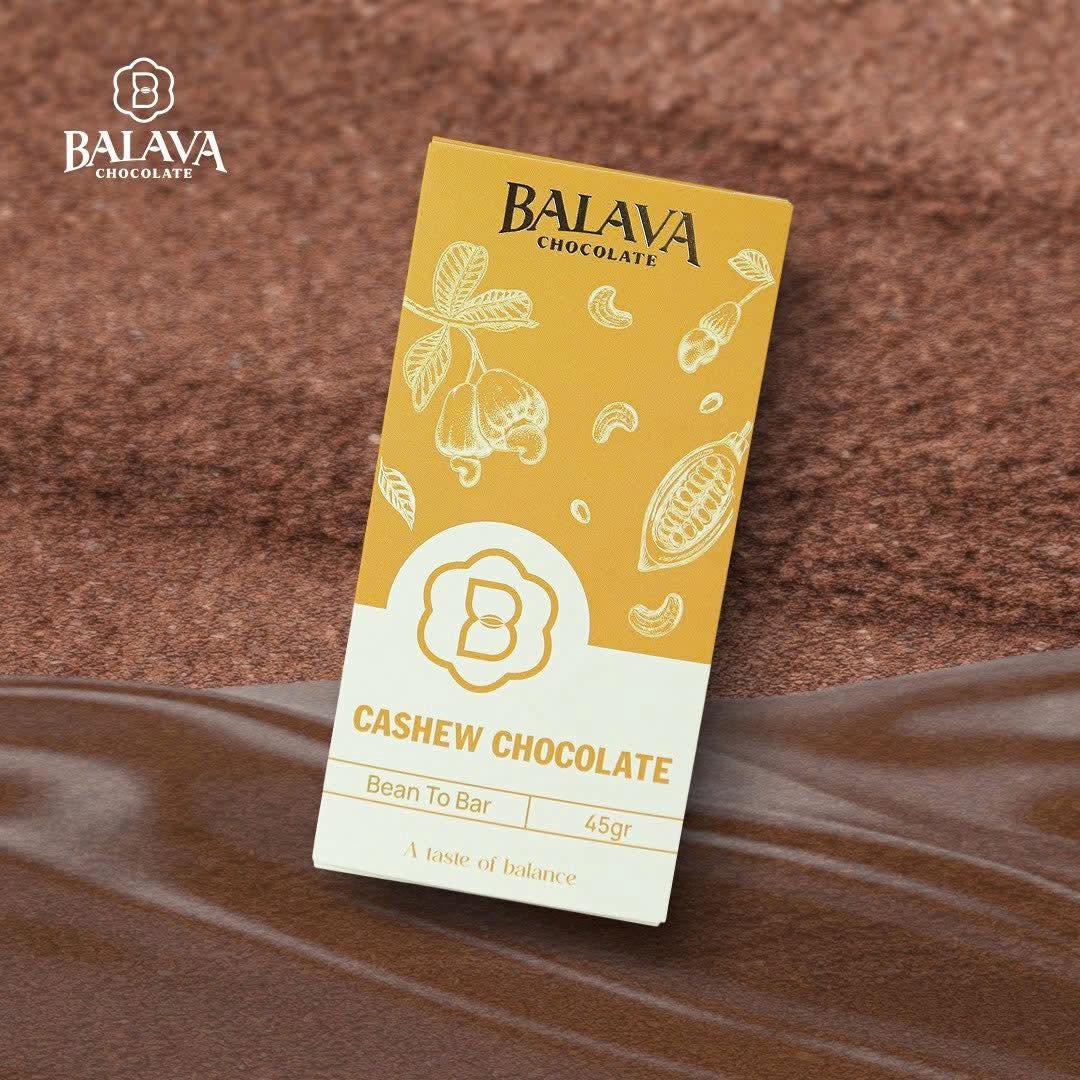
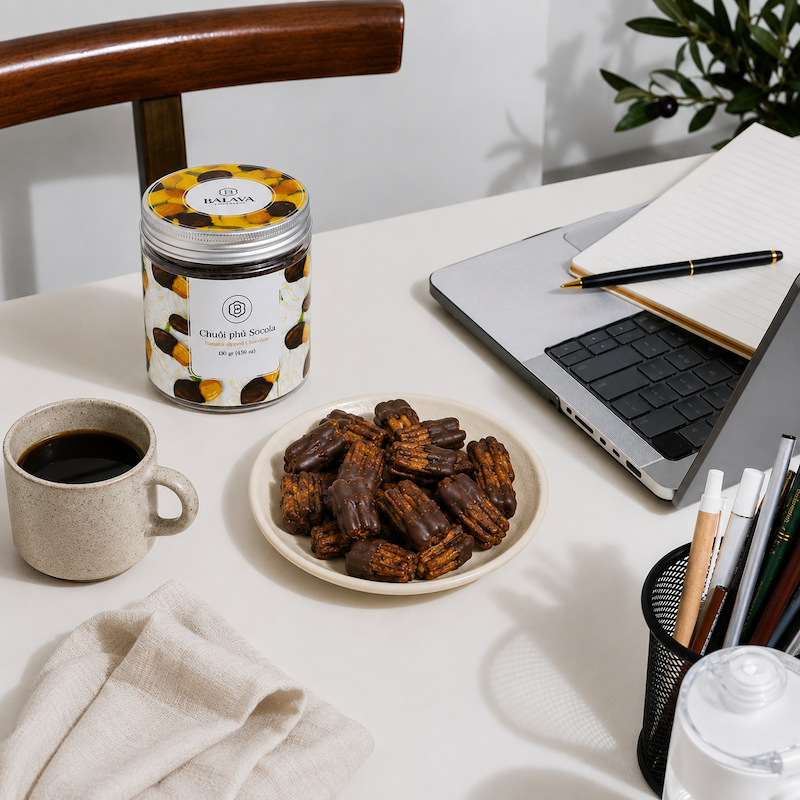
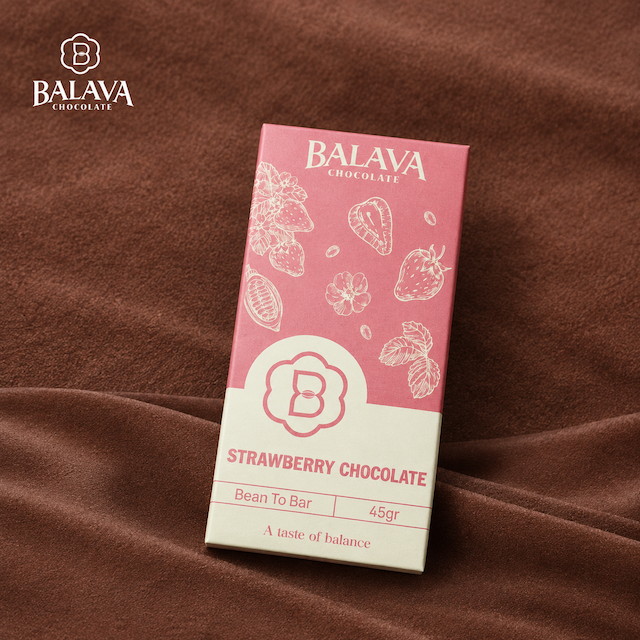
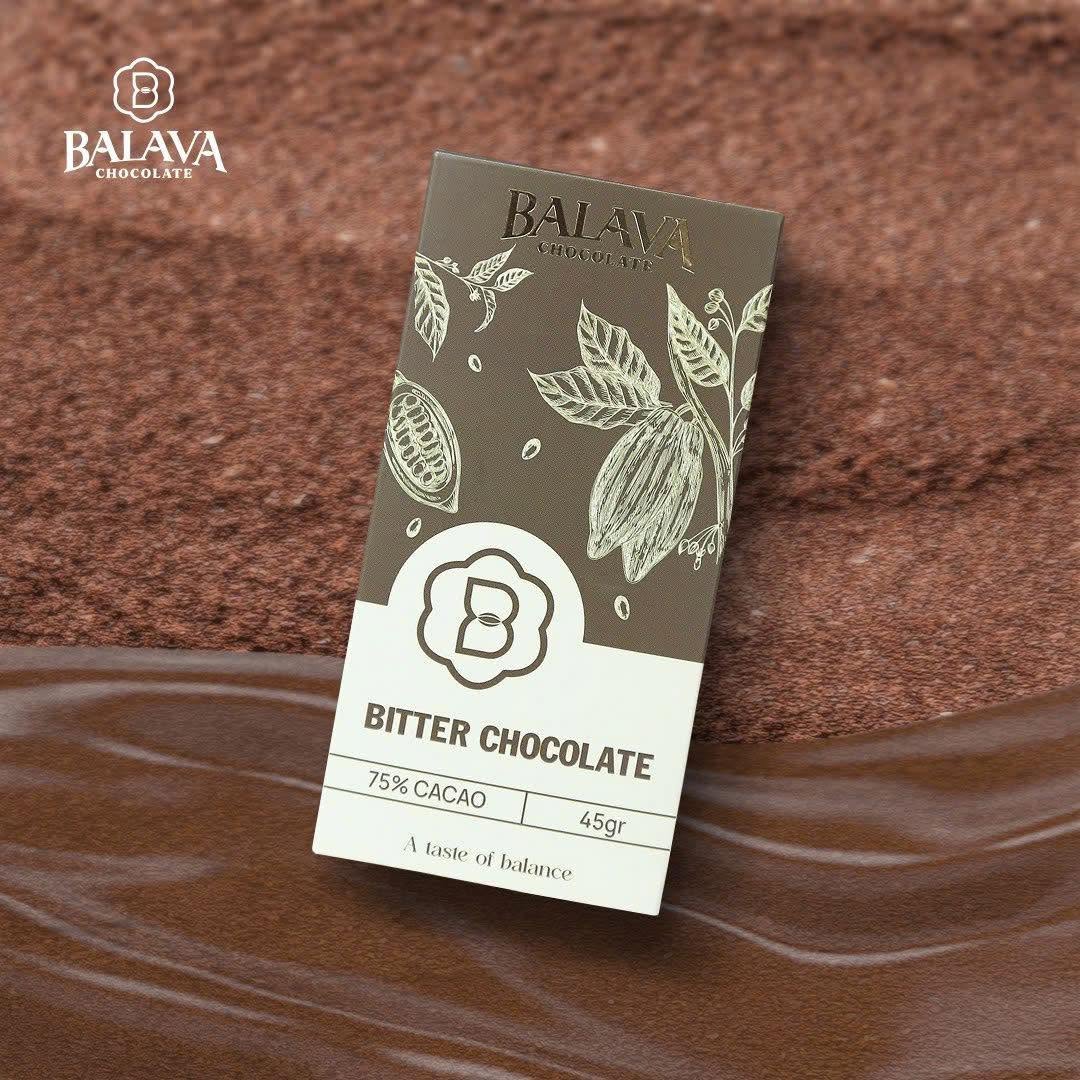
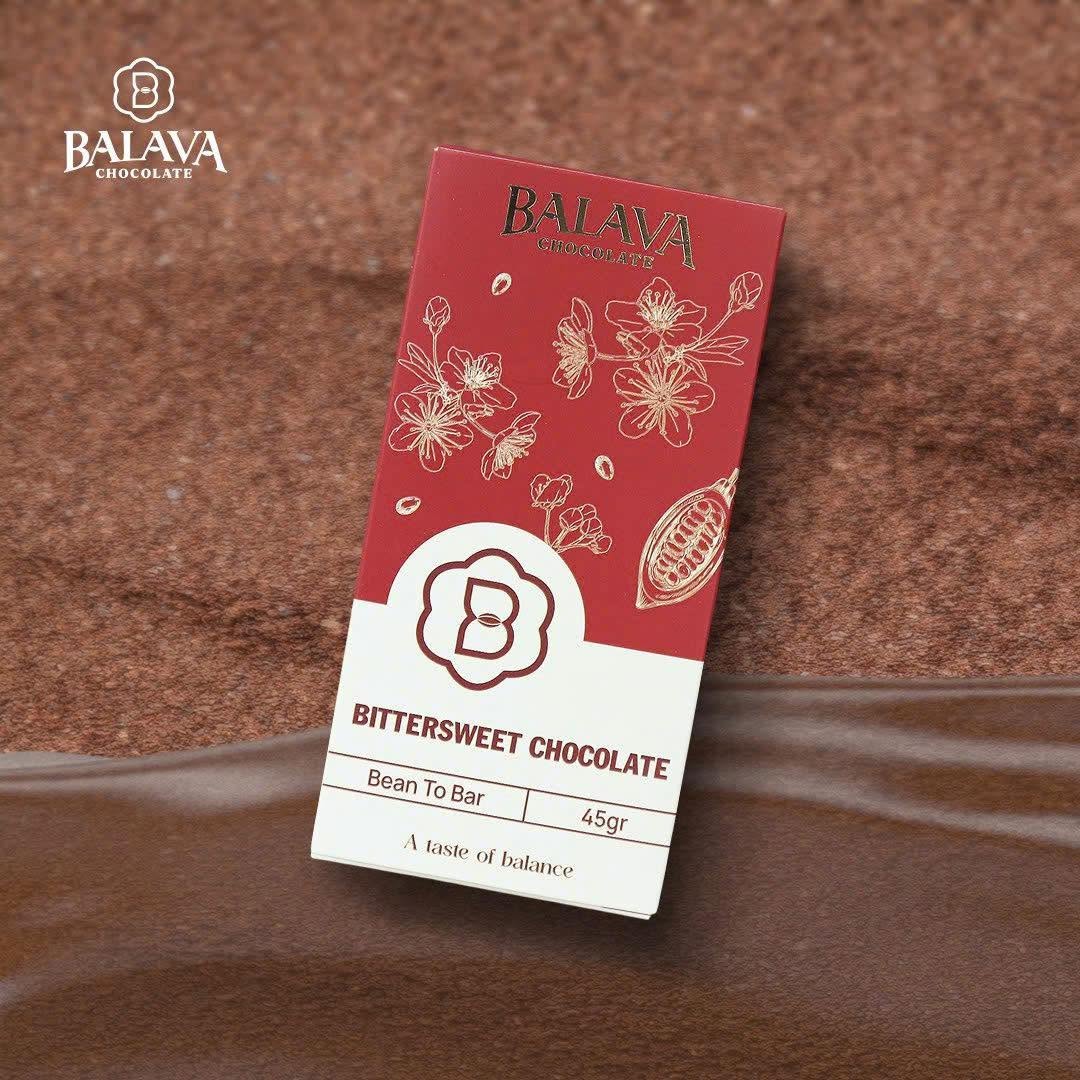
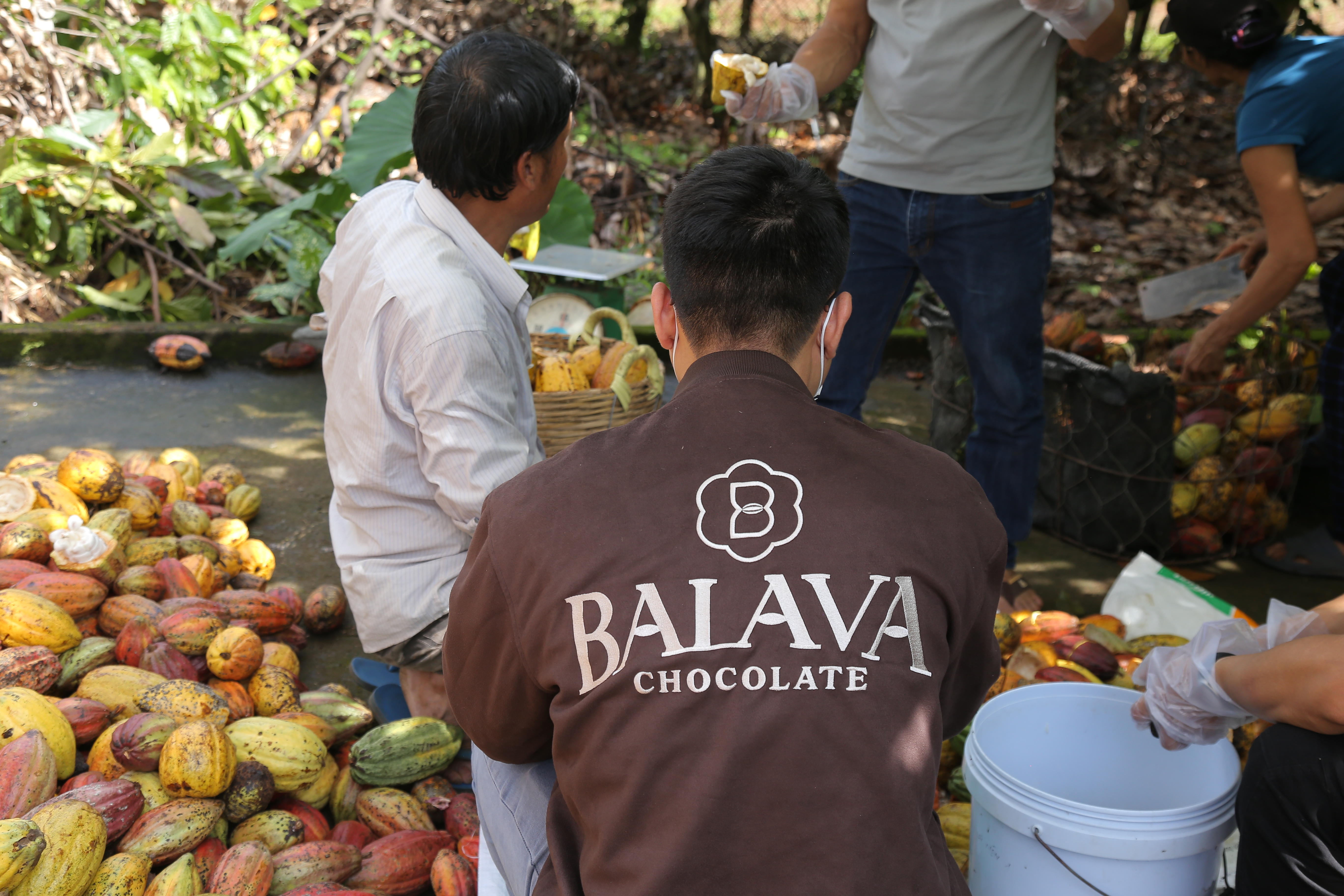
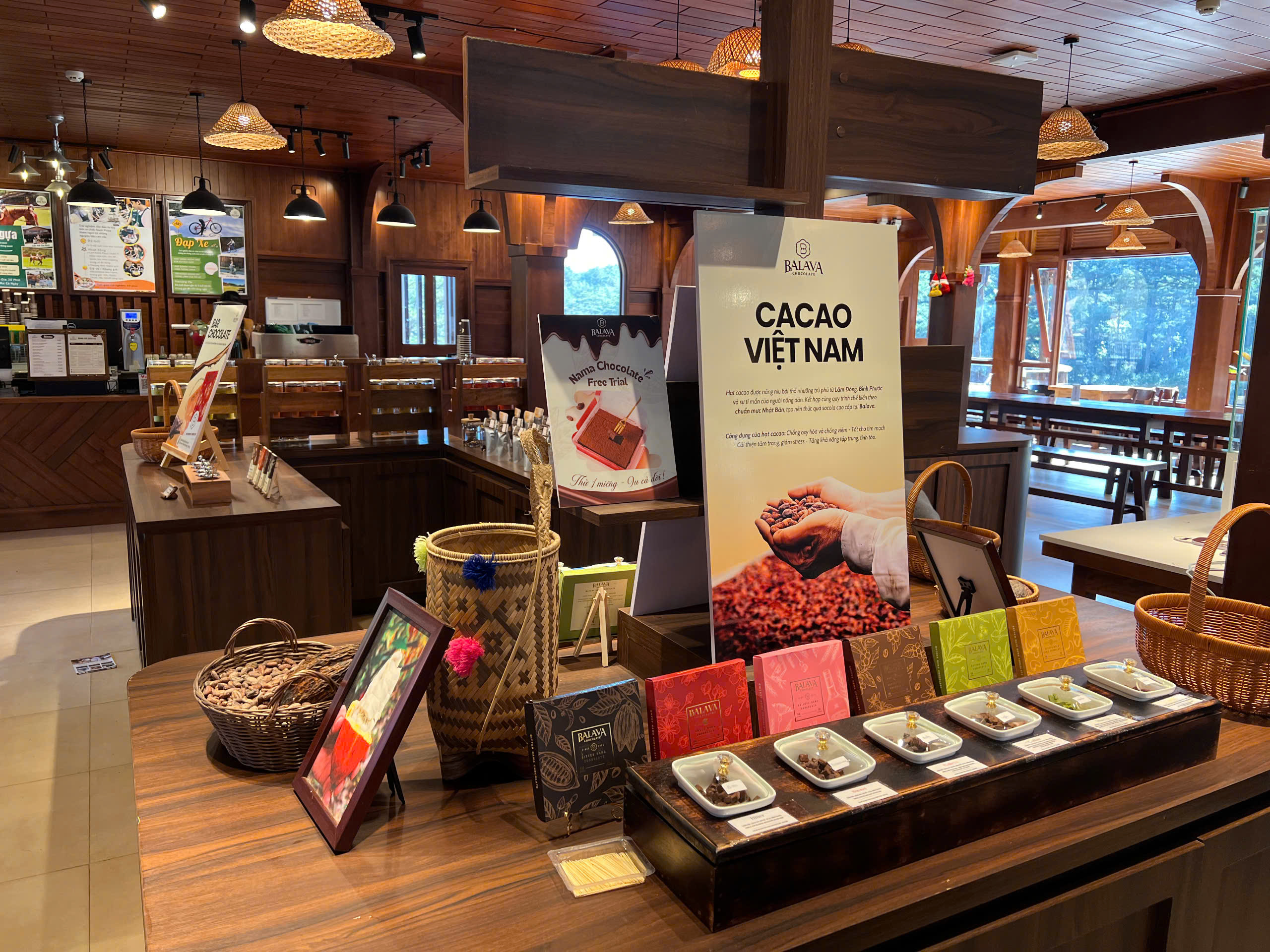
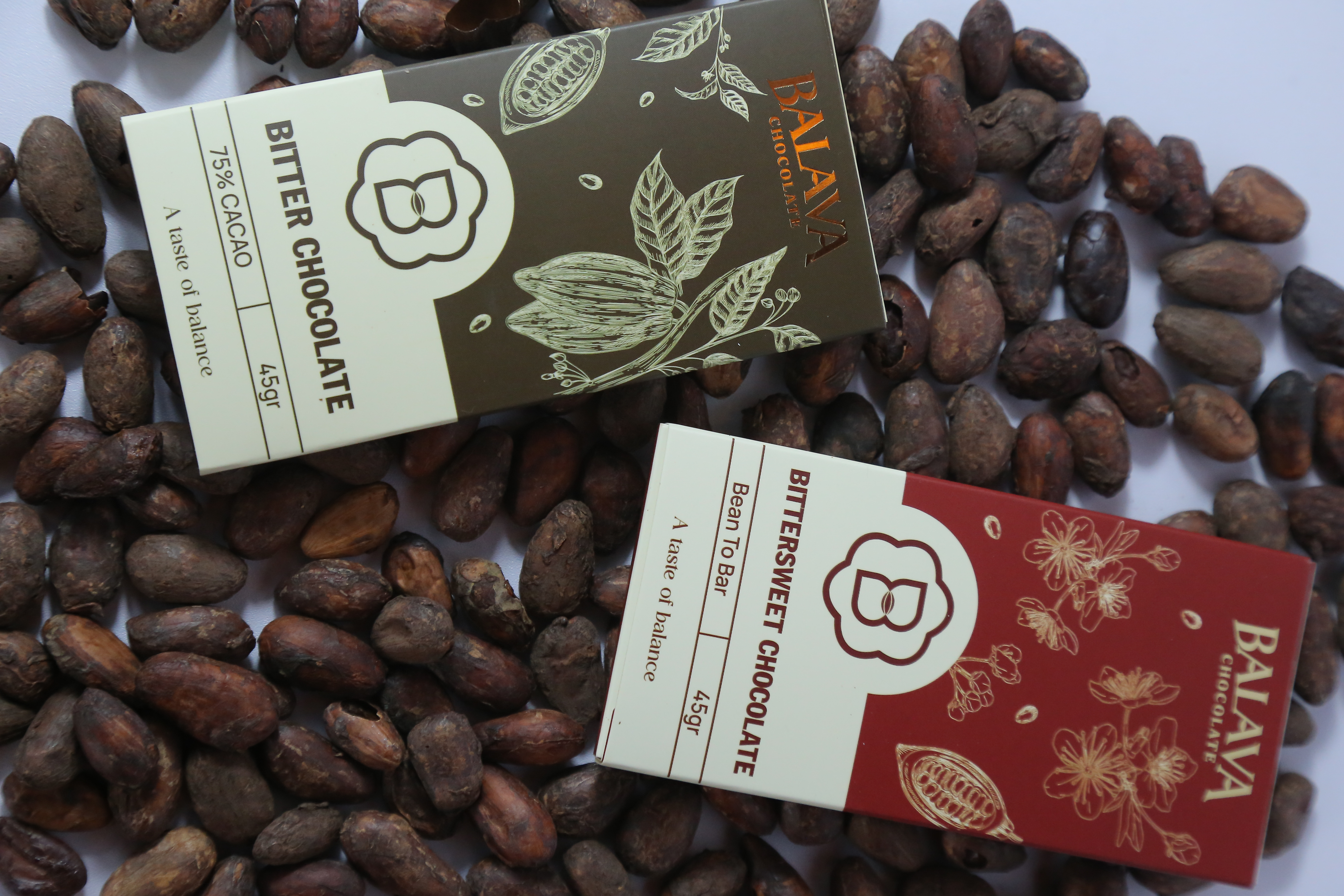
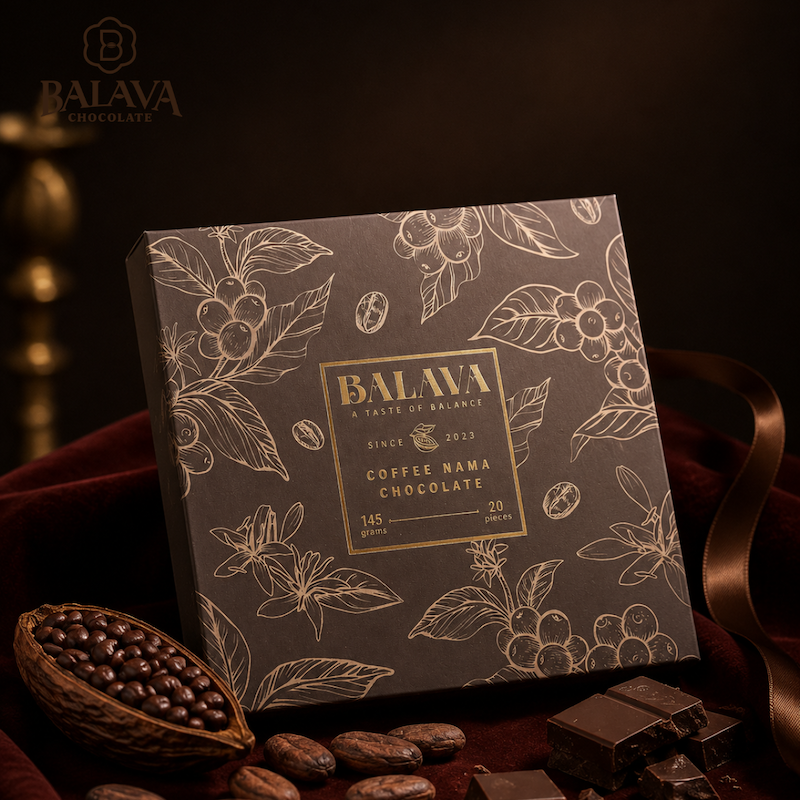
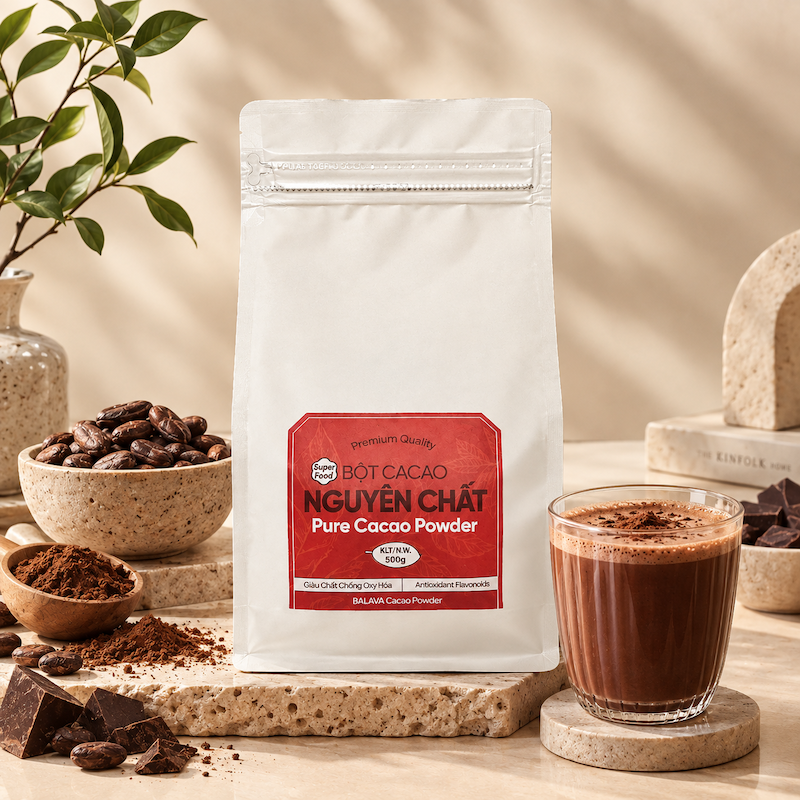
BALAVA is a bean-to-bar brand built entirely on Lam Dong cacao, processed at its own facility — from bean selection and roasting through to the finished product. No synthetic preservatives, no artificial colouring.
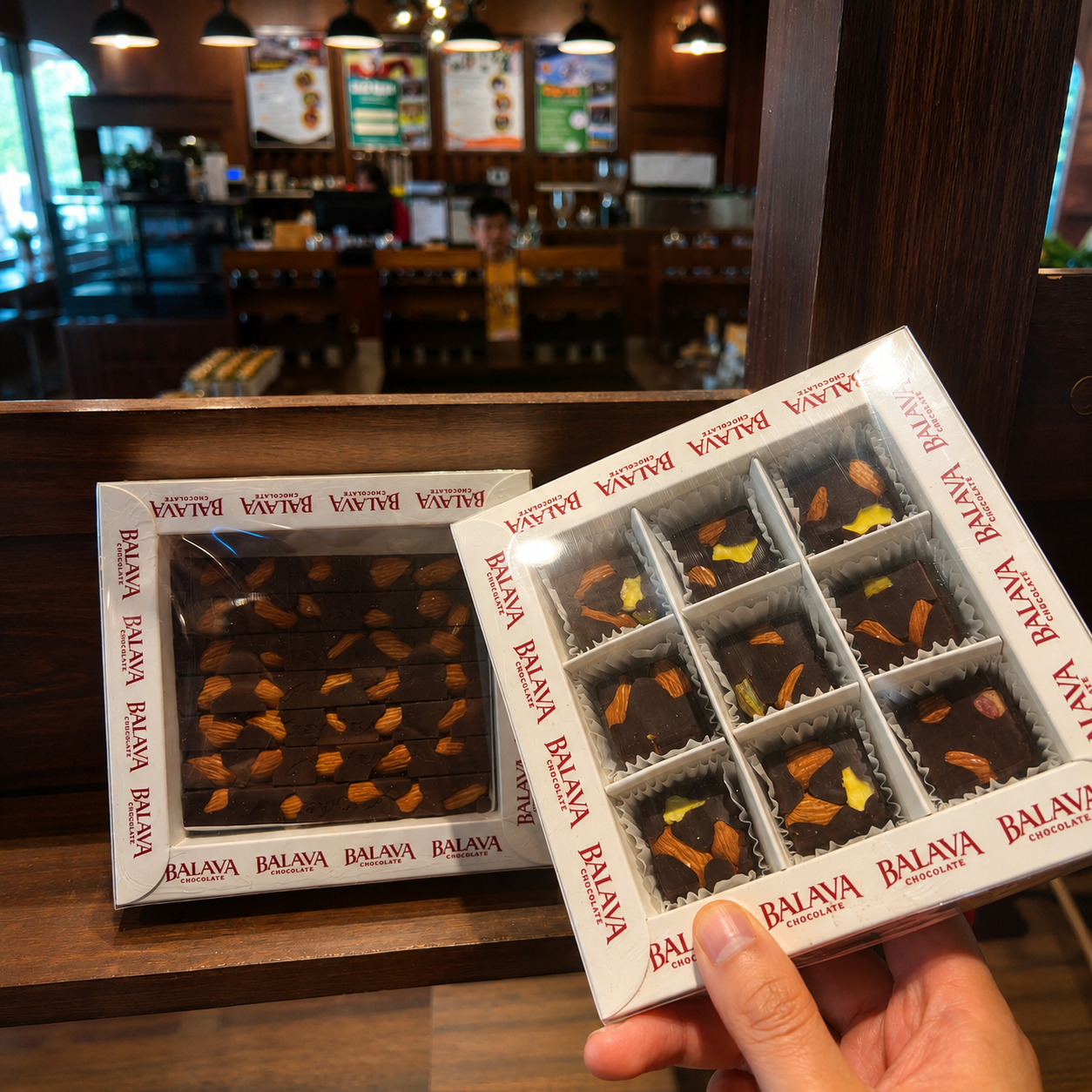
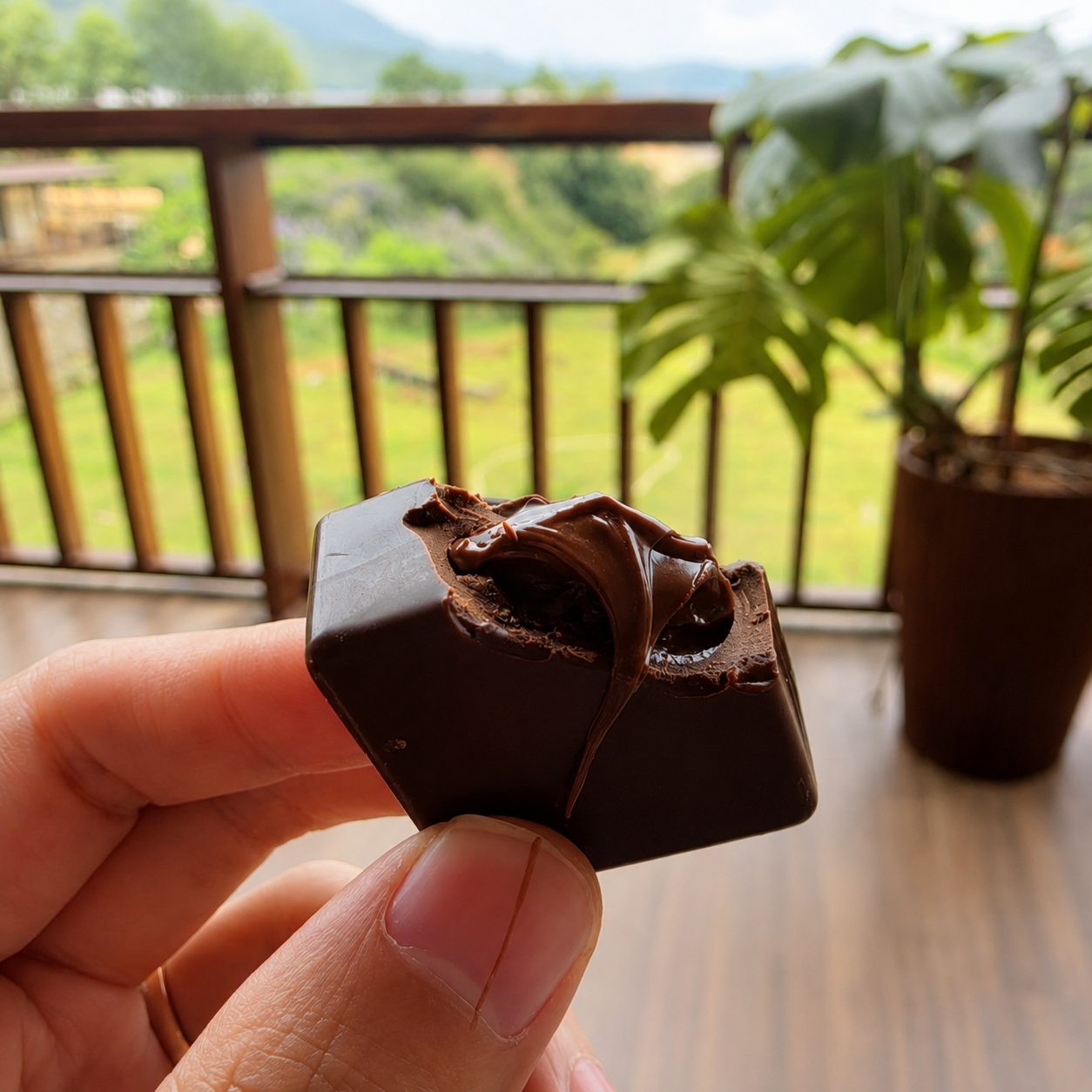
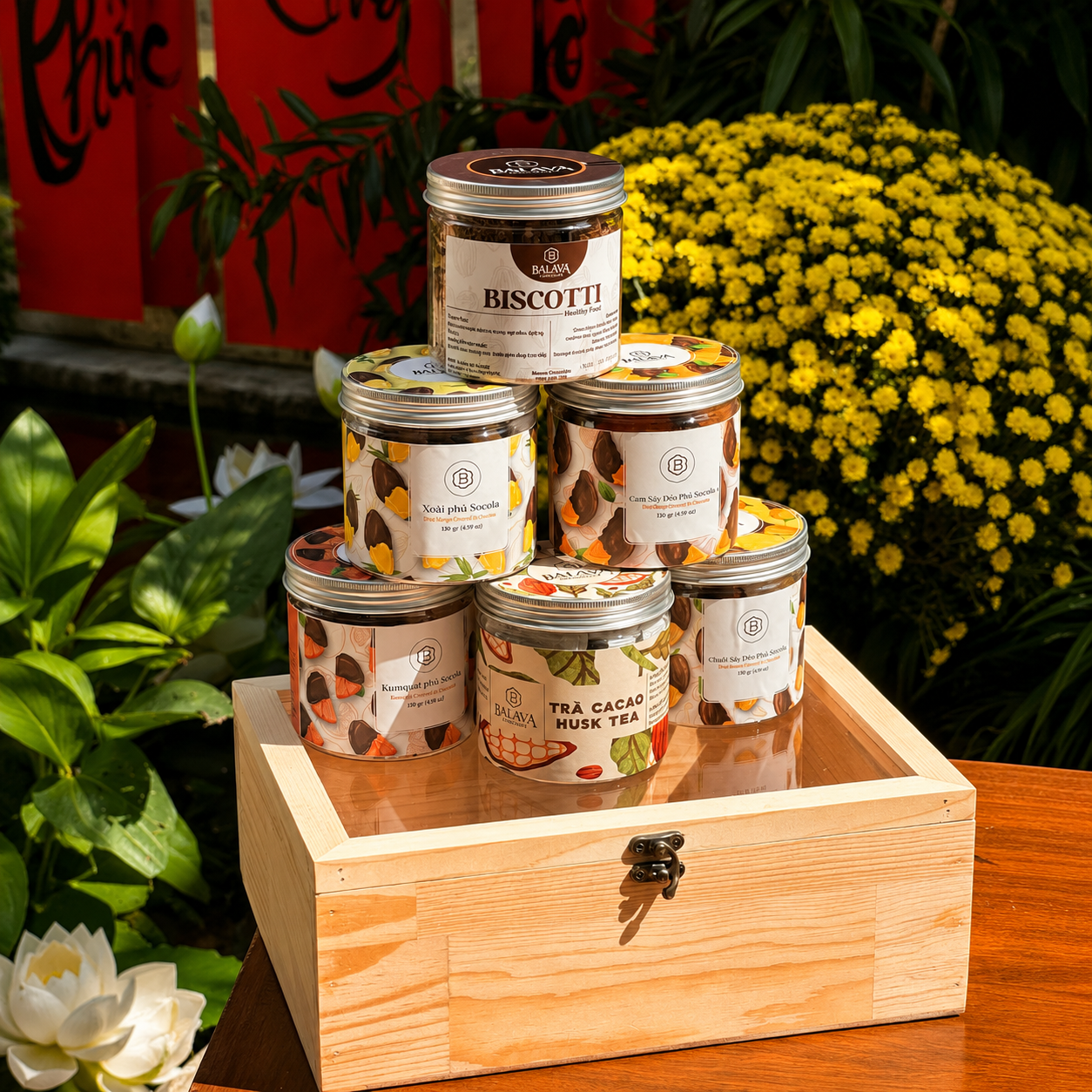
BALAVA products are available for retail distribution, corporate gifting, MICE programmes and import partnerships in Korea, Japan and Europe. TGROUP handles commercial enquiries, Korean and English interpretation, and international logistics.
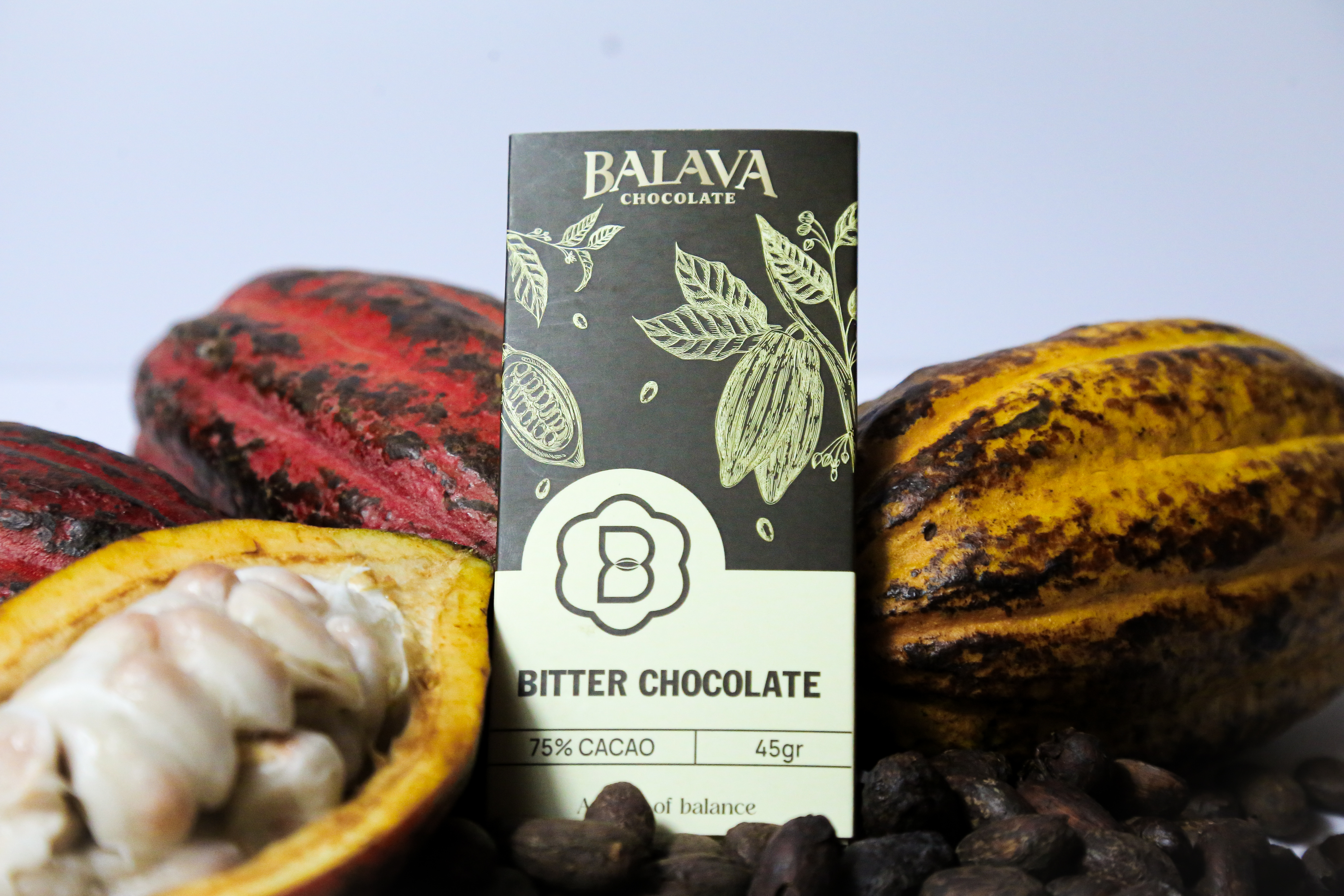
Wholesale, Export & Corporate Gift Orders
Contact TGROUP for wholesale pricing, import and distribution opportunities, and corporate gift programme enquiries. We support Korean and English communication and handle international logistics for all BALAVA orders.
Other review products
.png "Roasted Cacao Beans")