The argument sounds reasonable: the bean sits inside a thick pod, never in direct contact with anything sprayed on the outside — so what is organic certification for? The argument is partly right, and the remaining part is the interesting one.
Where the argument holds
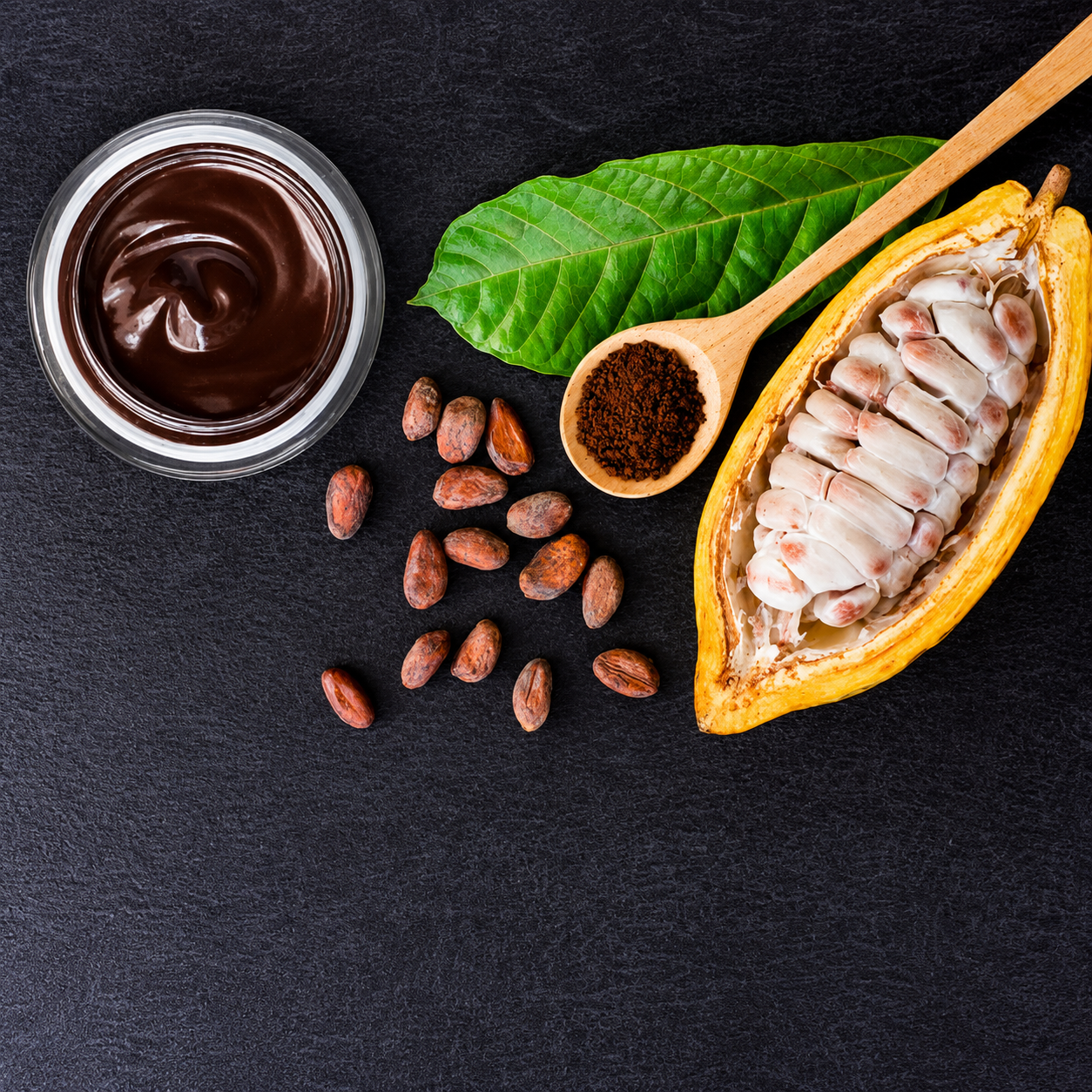
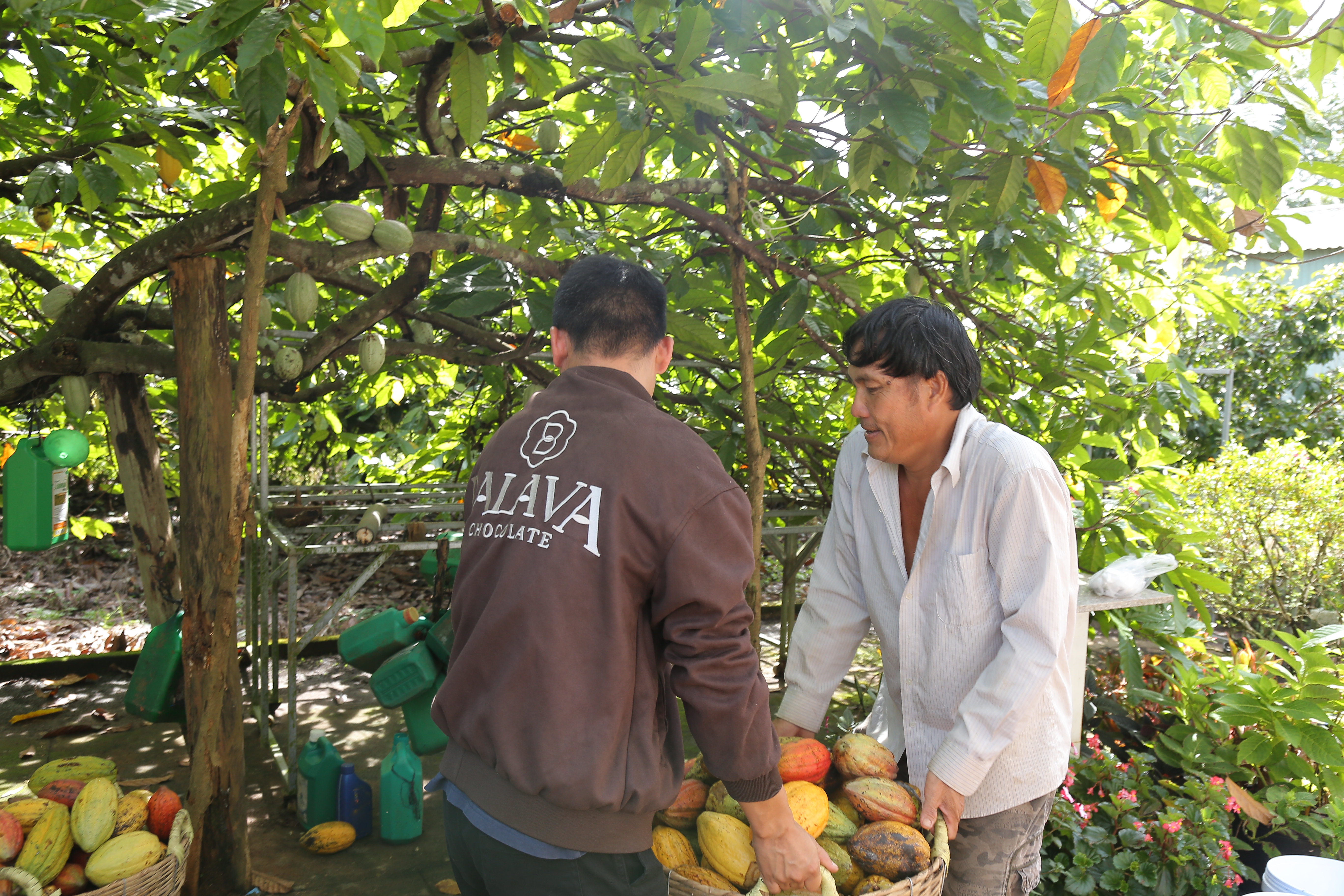
A cacao pod has a thick husk, and the beans sit inside a layer of pulp within it. Physically this is a real barrier. Compared with crops eaten skin-on or leaf-first, direct exposure of the bean to spray is considerably lower.
If your question is only about pesticide residue in the bar you eat, then organic certification does address a problem that was never very large. But that is not the only thing certification speaks to.
What organic certification actually covers
| Element | What it means |
|---|---|
| Residue thresholds | For organic cocoa entering the European market, pesticide MRLs must be zero. Conventional cocoa must comply with Regulation (EC) No 396/2005 on maximum residue levels. |
| Soil management | No synthetic fertilisers, with requirements on rotation, cover and organic matter. This is the longest-acting element and the least talked about. |
| Biodiversity | Shade-grown cacao usually comes with multi-storey vegetation, which affects pollinators, birds and soil microbiology. |
| Workers | The people most exposed to agricultural chemicals are not the people eating the chocolate but the people applying them. This rarely appears on packaging and carries considerable weight. |
In other words: organic in cacao is mostly about soil, ecosystem and the grower, not about residue in the square you eat. Selling organic on the “safer for you” argument is picking the weakest available case.
What organic does NOT solve: cadmium
This is the most important section of this article, and the least widely known.
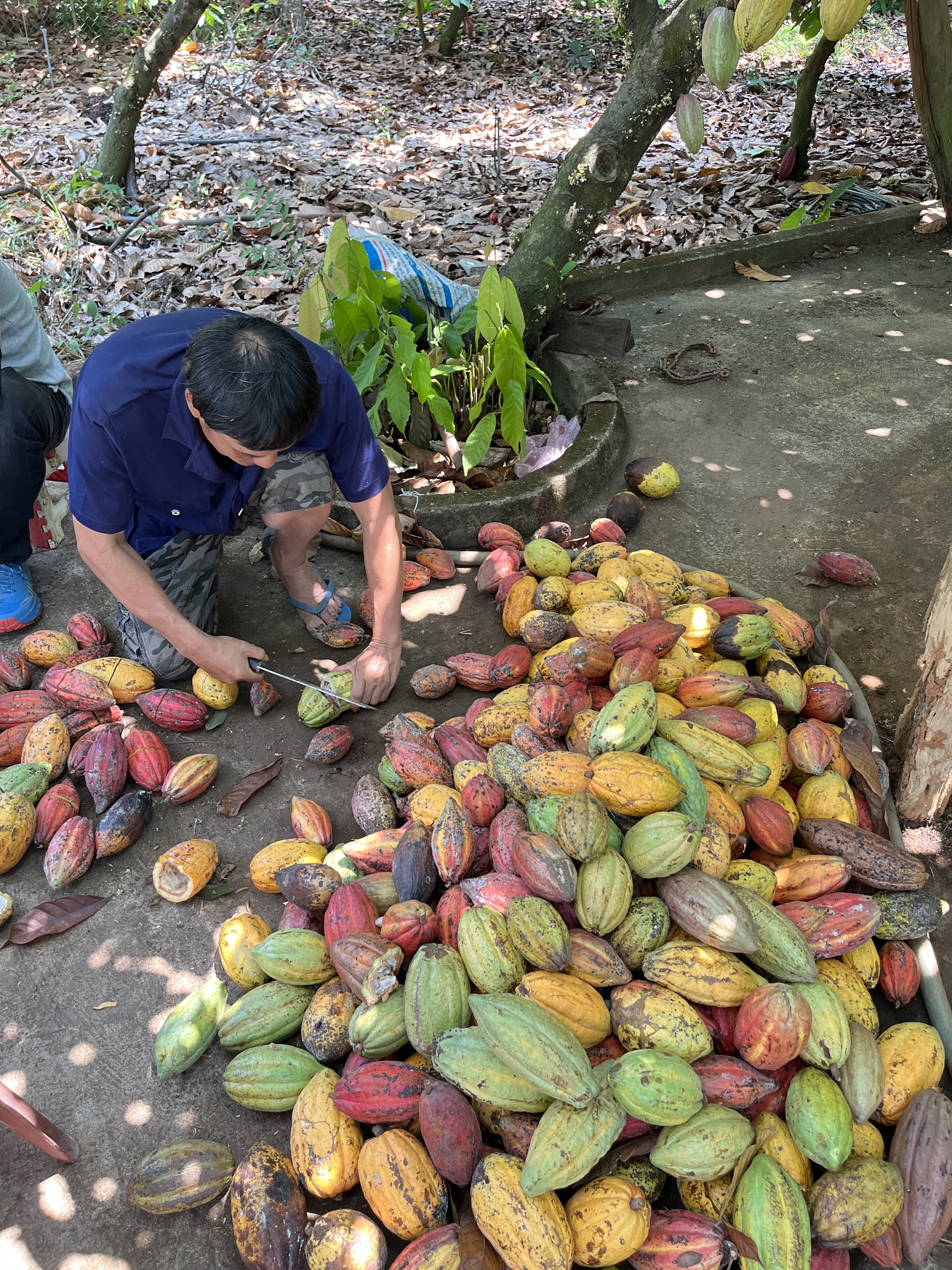
Cacao takes up cadmium from the soil. Cadmium is a heavy metal present in the underlying geology of some growing regions. The tree draws it up and it accumulates in the bean. Organic certification changes none of this — organic cocoa must meet exactly the same cadmium limits as conventional, with no exemption.
EU maximum cadmium levels, per Regulation (EU) 2023/915:
| Product category | Maximum level |
|---|---|
| Milk chocolate with less than 30% dry cocoa solids | 0.10 mg/kg |
| Chocolate with less than 50% dry cocoa solids; milk chocolate with 30% or more | 0.30 mg/kg |
| Chocolate with 50% or more dry cocoa solids | 0.80 mg/kg |
| Cocoa powder (retail or as an ingredient) | 0.60 mg/kg |
Note the pattern: the higher the cocoa content, the higher the permitted limit, because the cadmium sits in the cocoa fraction. This is among the most worthwhile parameters to ask a supplier about, and it almost never appears on a label.
The cost of certification, and who bears it
Organic certification is a process with real costs: audits, traceability documentation, a soil conversion period, and annual maintenance fees. For smallholders those costs are a genuine barrier.
A common situation is worth naming: a garden that uses effectively no agrochemicals but holds no certificate, because the paperwork is unaffordable. In practice it may be cleaner than a certified plot elsewhere. On the label it can say nothing.
The conclusion is not that certification is meaningless. Certification exists precisely because self-declaration cannot be verified. The correct conclusion is that certification is one signal rather than the whole story, and that professional buyers should keep asking rather than stopping at the seal.
What to ask instead
| Question | Why it matters |
|---|---|
| Which region, which gardens do the beans come from? | Traceability is the precondition for every other commitment. Without it, no claim can be verified. |
| Who controls fermentation? | Fermentation determines most of the final flavour. It is a far stronger indicator of chain control than any seal. |
| Do you have batch-level cadmium data? | A mandatory parameter for the European market, and entirely unrelated to organic status. |
| Does the sourcing satisfy the EU Deforestation Regulation? | Since the end of 2024 this applies to cocoa beans and cocoa products entering the EU. |
| Is the cocoa powder alkalized, and what is the cocoa butter content? | Two parameters that determine nutritional value and application, wholly independent of organic status. |
Where BALAVA stands — plainly
BALAVA does not hold organic certification and does not claim to be organic. Stating that here is a matter of legal and reputational risk, not marketing.
What BALAVA does control and can state: cacao sourced from Lam Dong, fermentation by the Nakano Mame method under controlled time and temperature, and the full roasting, stone grinding, pressing and moulding chain in its own workshop, with non-alkalized cocoa powder at 22–25% cocoa butter. BALAVA is currently extending control into cultivation, moving towards a farm-to-bar model.
For a buyer, the degree of chain control is usually more usable information than a line on a label — because it answers specific questions, where a seal answers one.
Talk to BALAVA
Wholesale pricing, private label, samples and export documentation — we answer in English.
Sources. The zero-MRL requirement for organic cocoa entering the European market, the compliance requirement under Regulation (EC) No 396/2005 for conventional cocoa, and the fact that organic certification creates no exemption from cadmium limits: CBI (Centre for the Promotion of Imports from developing countries, Netherlands) buyer requirements guidance for cocoa. Maximum cadmium levels by product category: Regulation (EU) 2023/915, in effect from April 2023. The EU Deforestation Regulation applies to cocoa beans (HS 1801) and cocoa products, in application from the end of 2024. Cadmium uptake by cacao from soil follows published agronomic literature. BALAVA certification status and product specifications are supplied by BALAVA.
Other review products