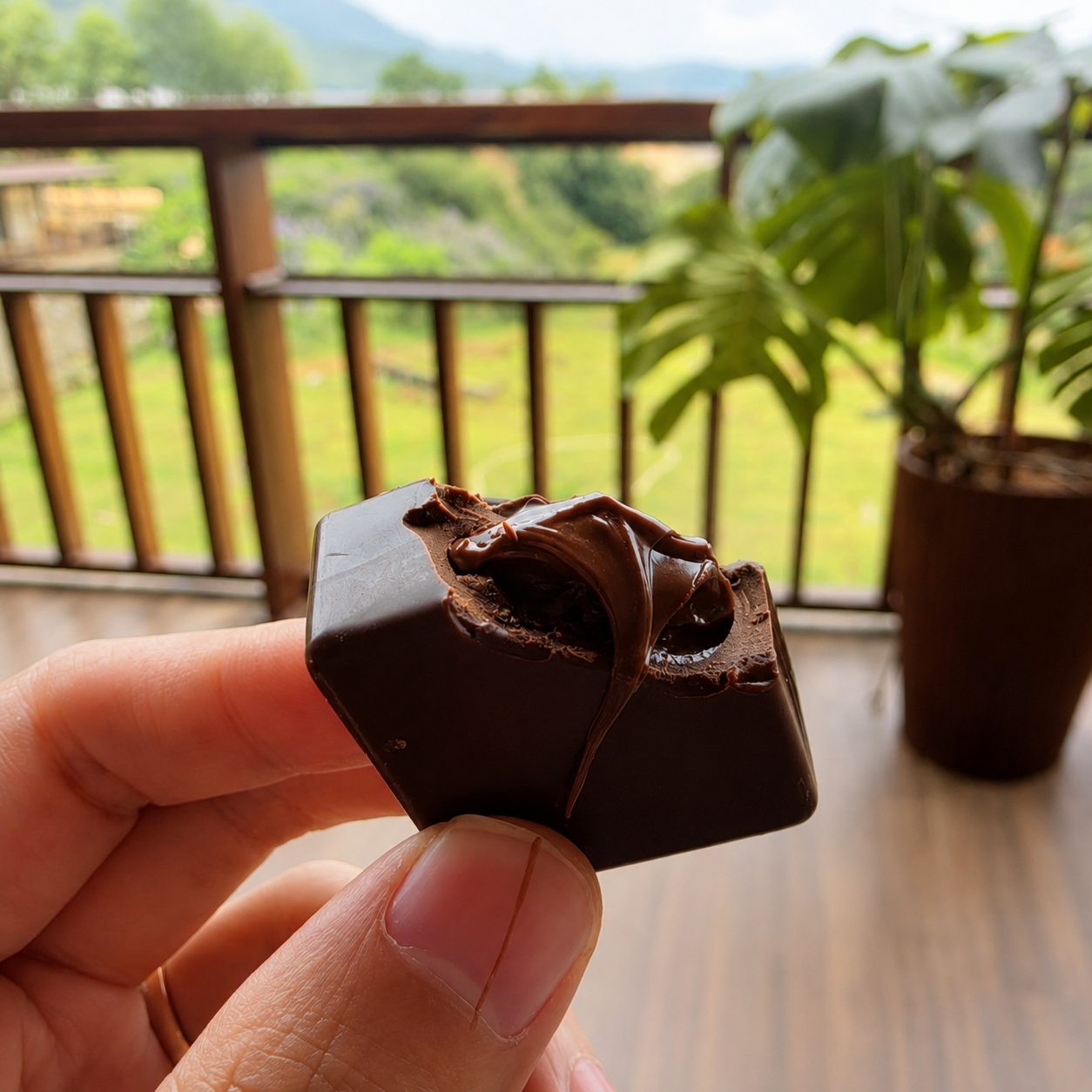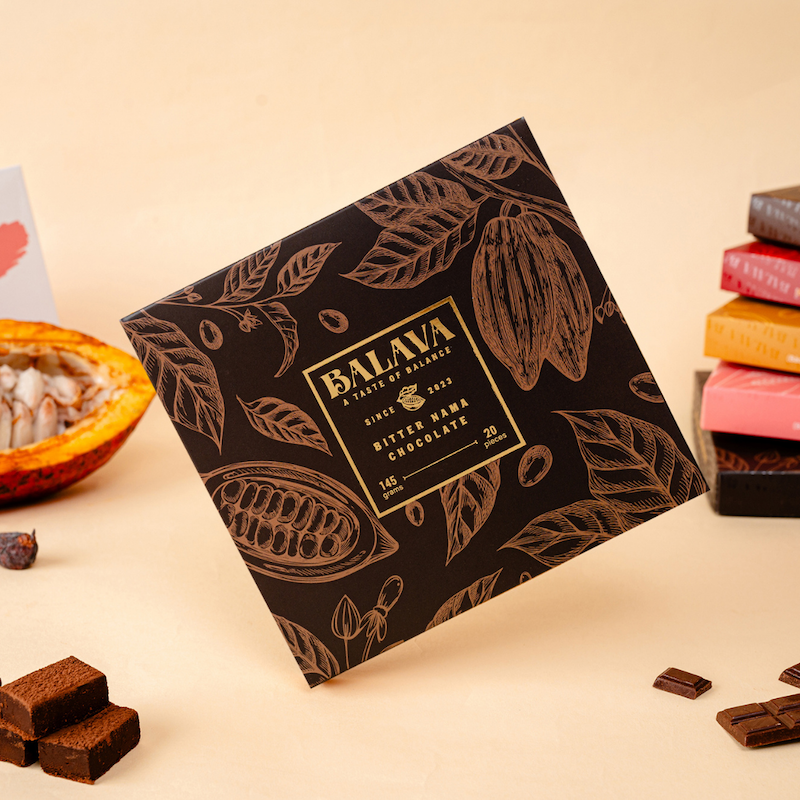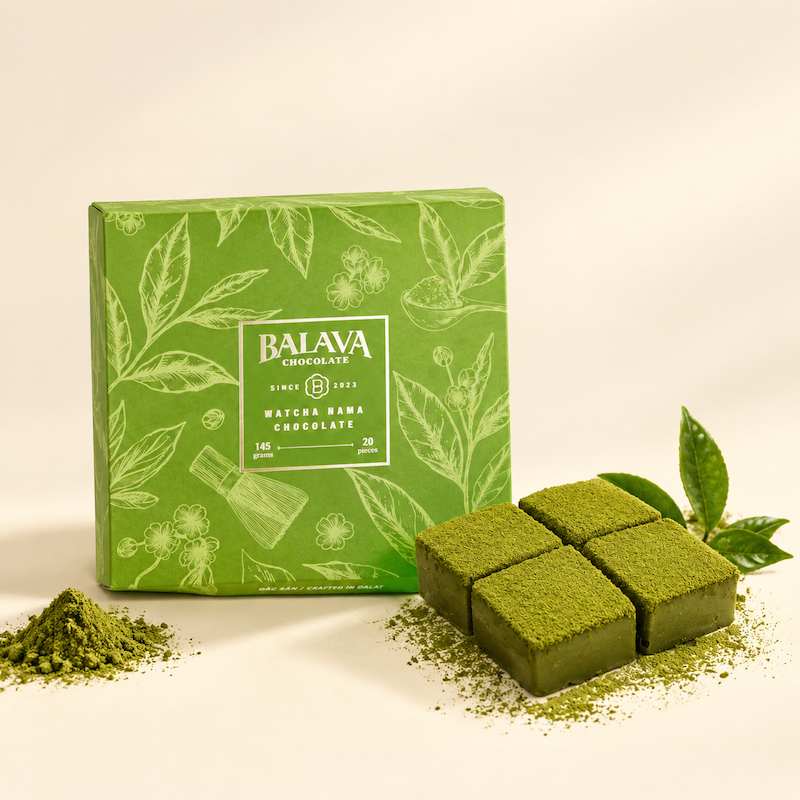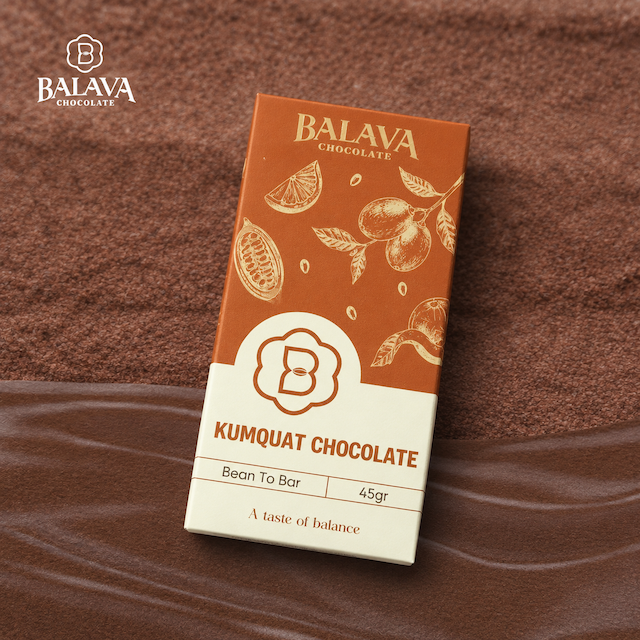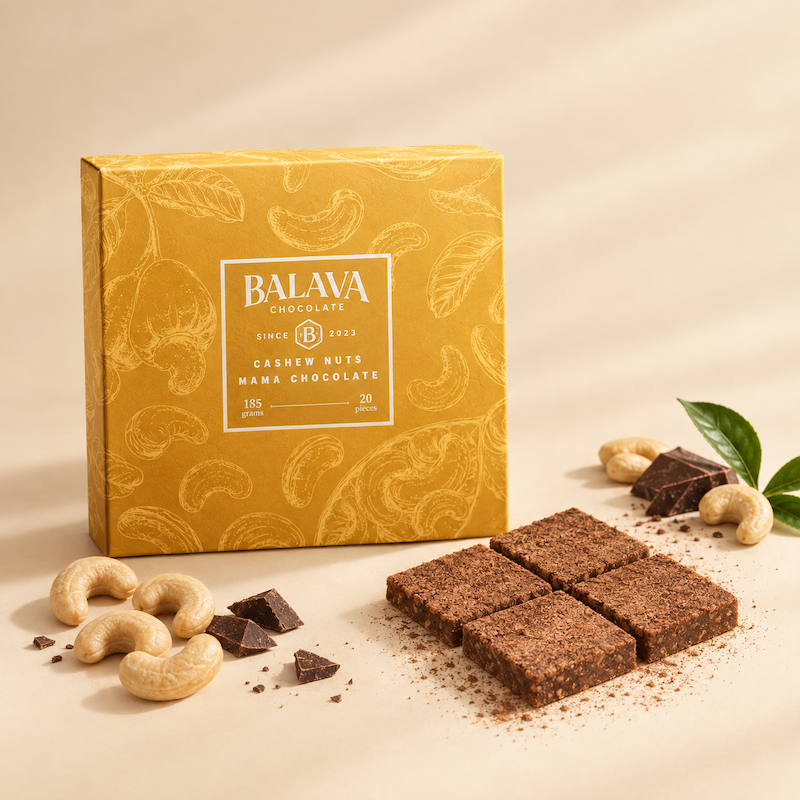
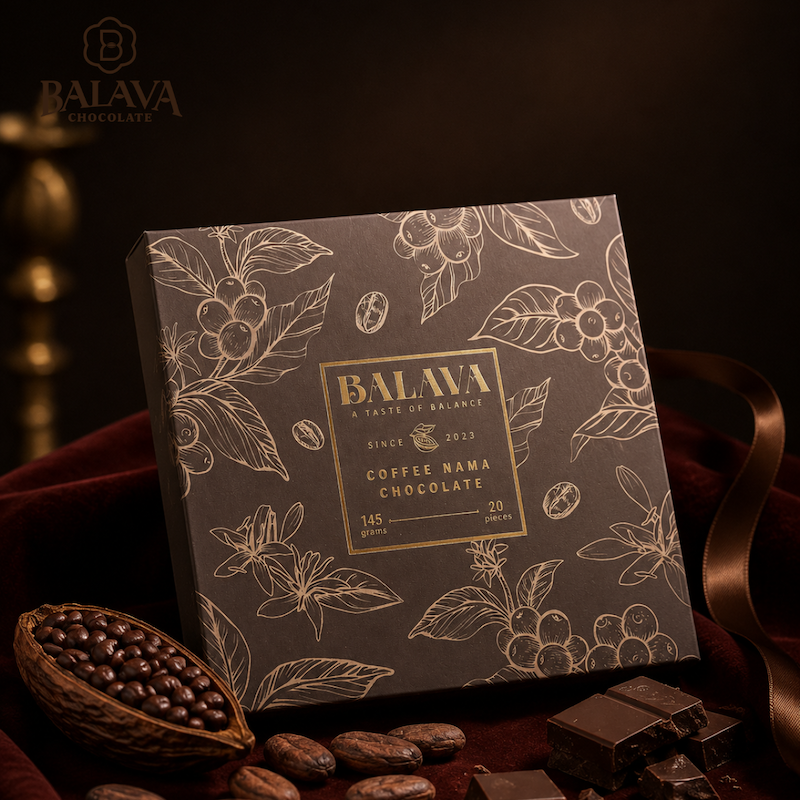
Nama chocolate is sold as “fresh chocolate”, and the word fresh is not a flourish. It is a technical instruction: this product contains water, and every difference from a chocolate bar follows from that one fact.
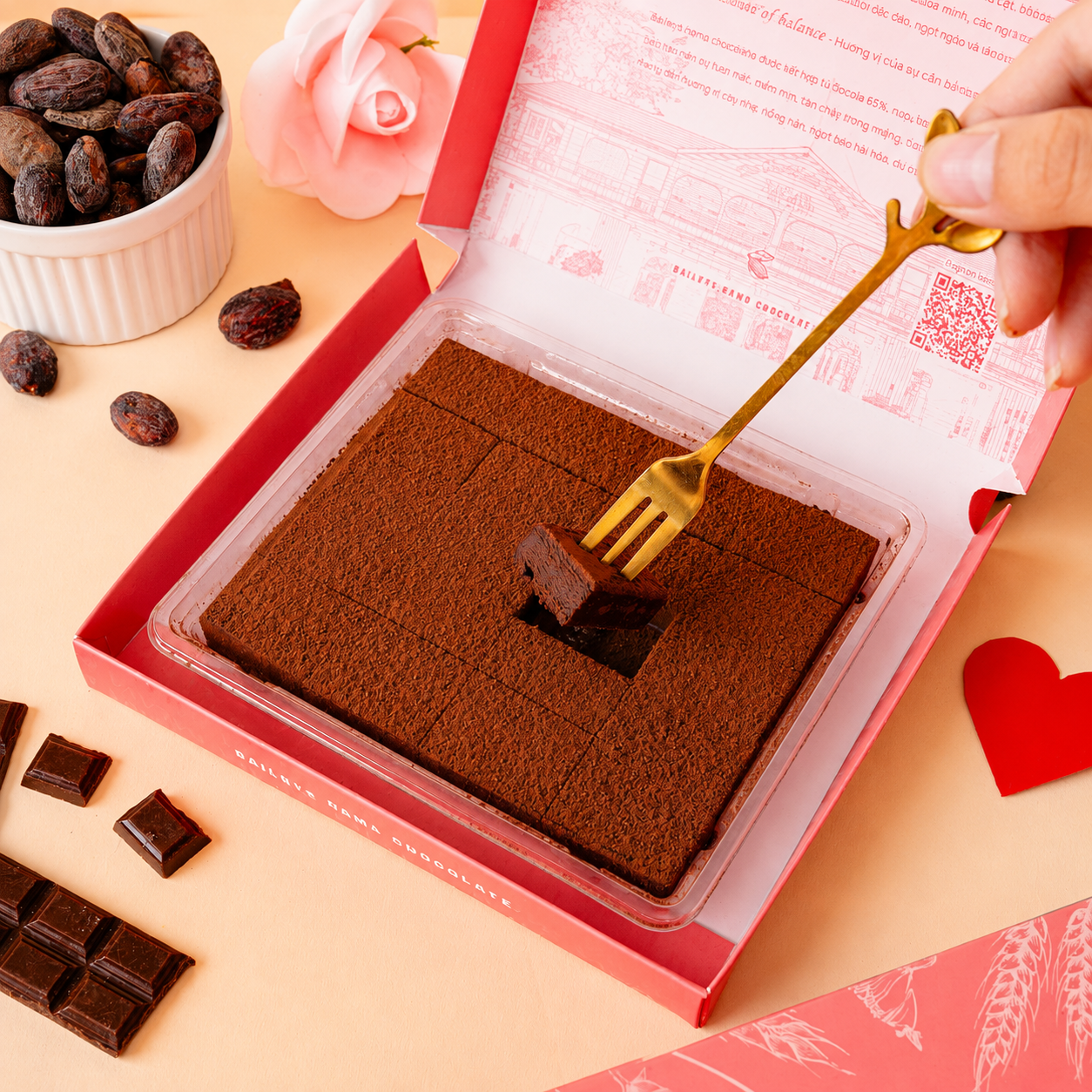
The name and where it comes from
“Nama” (生) means fresh, raw, unprocessed in Japanese. The same character appears in nama biru (draught beer) and namamono (fresh, perishable food).
The product was created in 1988 at Sils Maria, a pâtisserie in Kanagawa Prefecture, Japan, by owner-chef Kobayashi Masakazu. It became a category of its own in Japanese confectionery and spread across Asia from there.
Japan has a legal definition for it
This is the detail few people know, and it is what separates nama chocolate from ganache cut into squares. Under the Japanese fair competition code on chocolate labelling, a product must satisfy all three conditions to be called 生チョコレート:
| Parameter | Minimum requirement |
|---|---|
| Chocolate base | at least 40% of total weight |
| Cream | at least 10% of total weight |
| Water content (including water in the cream) | at least 10% of total weight |
The third condition is the most important and the most paradoxical. In almost every other context, water is the enemy of chocolate — a single drop into melting chocolate is enough to seize it. In nama chocolate, a minimum of 10% moisture is a requirement for the name.
Why water changes everything
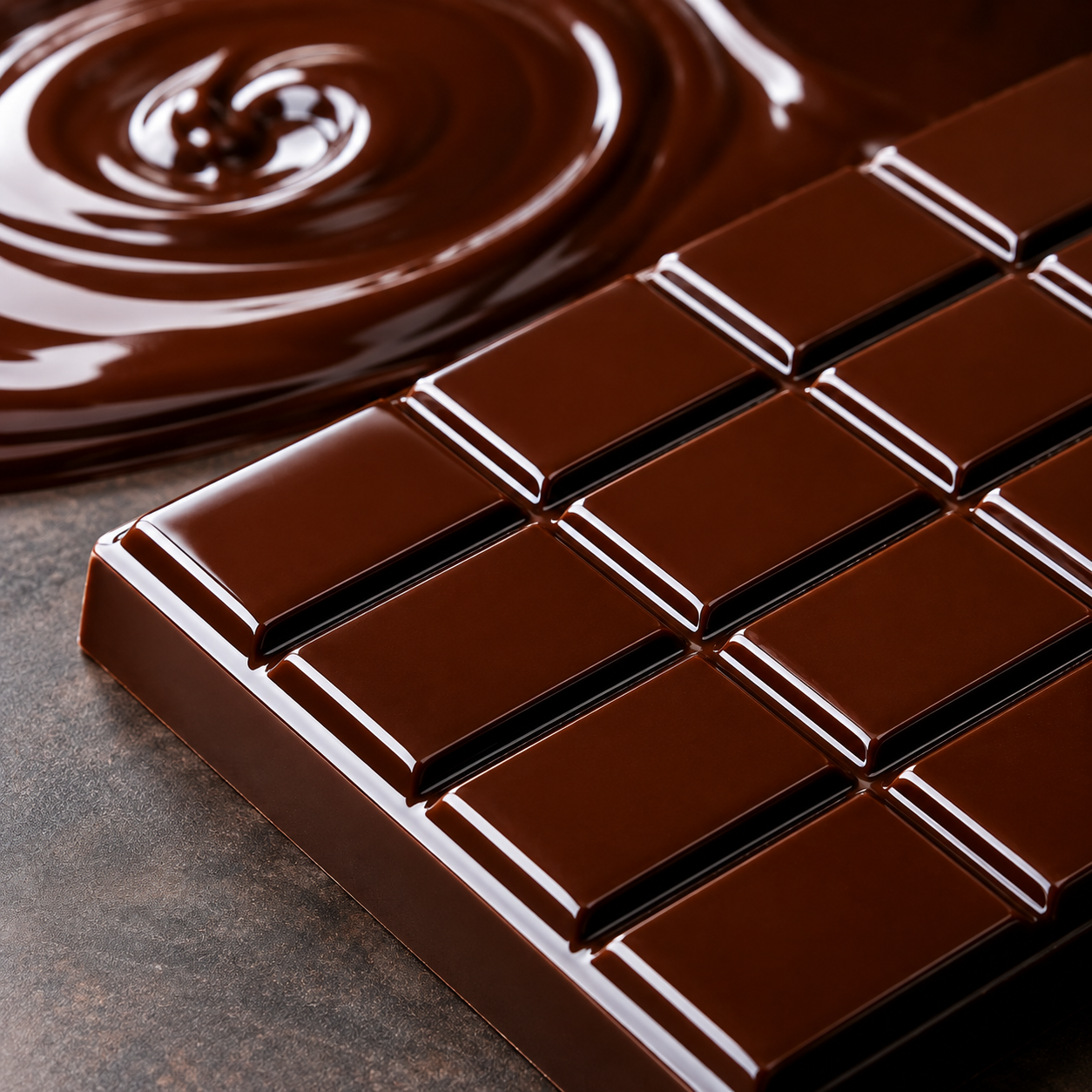
Water in food is what microorganisms need. A chocolate bar contains virtually none, which is why it is stable at ambient temperature for months — and why chocolate became a shippable commodity in the nineteenth century. Nama chocolate does not get that privilege.
| Nama chocolate | Chocolate bar | |
|---|---|---|
| Composition | Chocolate plus fresh cream, sometimes butter or liqueur | Chocolate |
| Water content | 10% or more under the Japanese standard | Close to zero |
| Storage | Refrigeration required | Cool, dry, ambient |
| Shelf life | Short — days to a few weeks | Long — months |
| Texture | Soft, collapses immediately on the tongue | Firm, with a snap |
| Tempering | Not tempered in the conventional sense; the critical thing is a stable emulsion | Essential — it produces the gloss and the snap |
| Transport | Difficult, needs a cold chain | Straightforward, travels well |
The technical part: harder than it looks
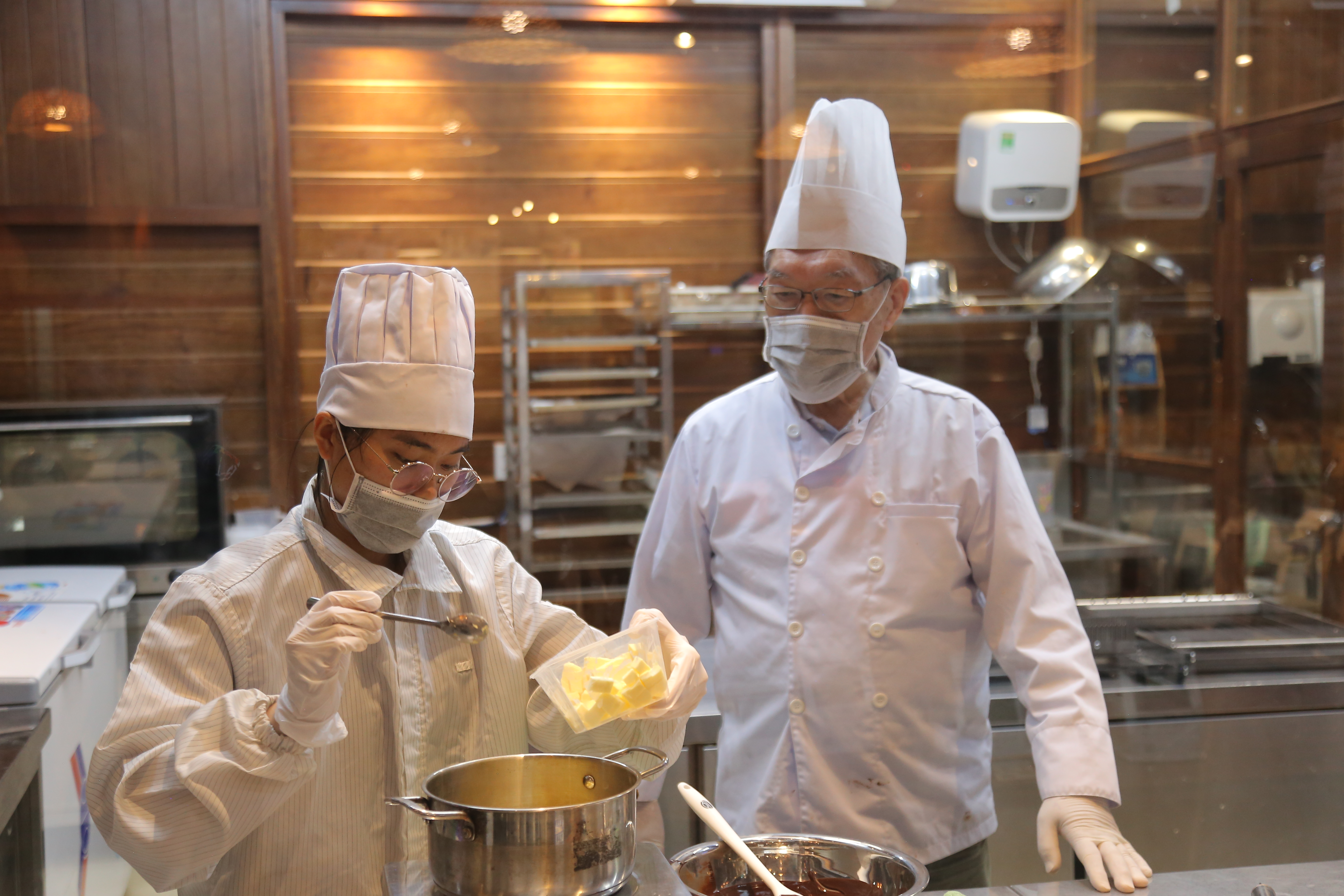
Nama chocolate looks simple: heat cream, pour onto chocolate, stir, set, cut, dust with cocoa. There are three places it goes wrong.
| Difficulty | The problem |
|---|---|
| The emulsion | Cream is an oil-in-water emulsion; chocolate is a solid-in-fat suspension. Bringing them together requires the right temperature and the right order of addition. Get it wrong and it splits — an oily surface and a grainy texture. |
| The ratio | More cream gives a softer set and a shorter life; less cream gives a firmer result that loses the melt-on-contact character. There is no single correct ratio — it depends on the cocoa butter content of the base chocolate. |
| The cacao percentage of the base | A higher-percentage base carries more cocoa butter and less sugar, so the cream ratio must be adjusted accordingly. This is why one recipe cannot be transferred across chocolates. |
The flavour consequence. Because cream softens bitterness, nama chocolate allows a base at a higher cacao percentage than most people enjoy in bar form. Which is exactly where bean quality shows: there is no great mass of sugar to hide behind, and no crunch to distract.
Handling and storage
| Situation | What to do |
|---|---|
| Storage | Keep refrigerated. Do not leave at room temperature for long. |
| Before eating | Take it out a few minutes ahead. Straight from the fridge the cocoa butter sits below its melting range and the aroma does not open. |
| As a gift | Suited to same-day delivery and consumption. For a gift that has to travel or fly, choose bars, cocoa powder or roasted cacao beans. |
| Export | Not a suitable long-distance export product without a complete cold chain. |
Nama chocolate at BALAVA
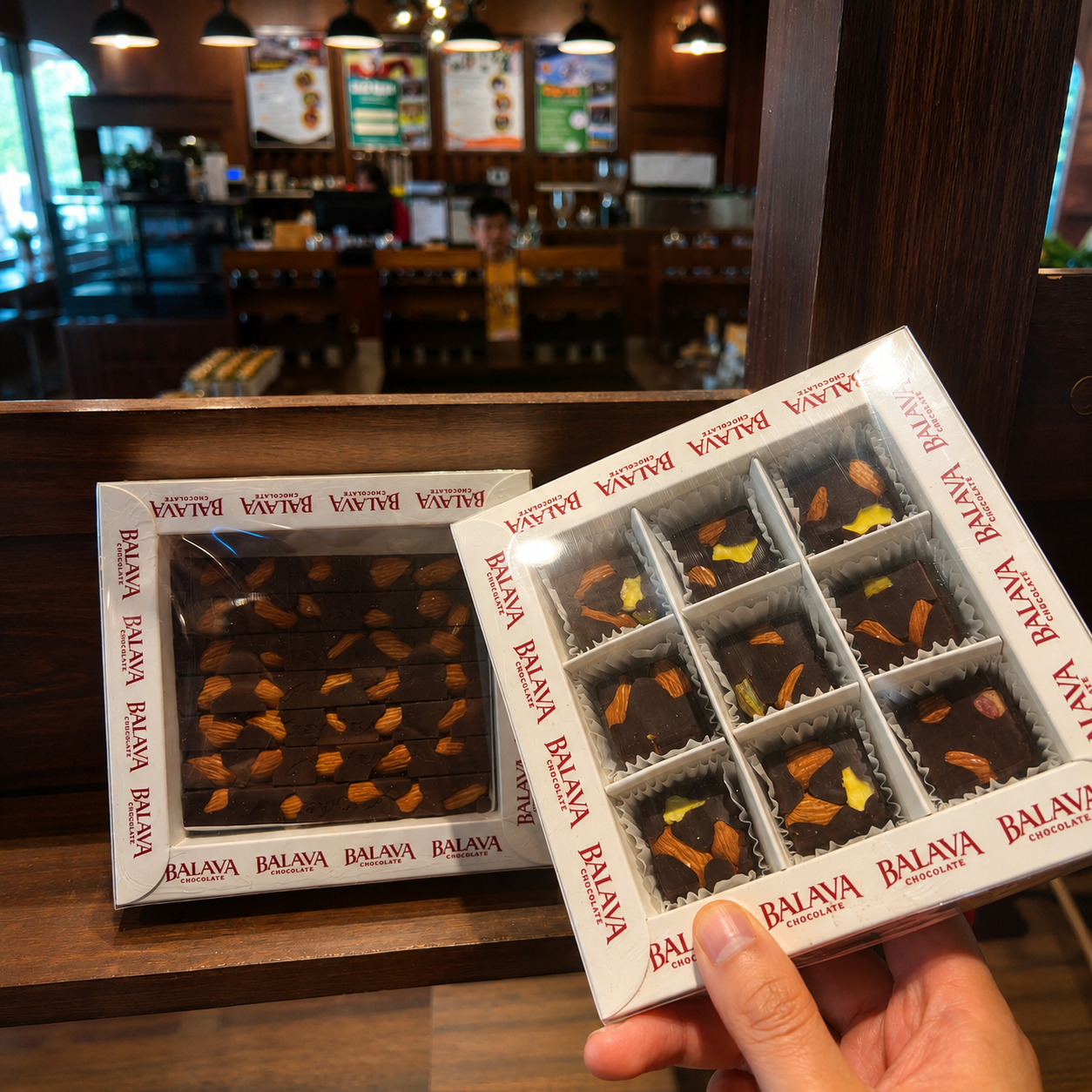
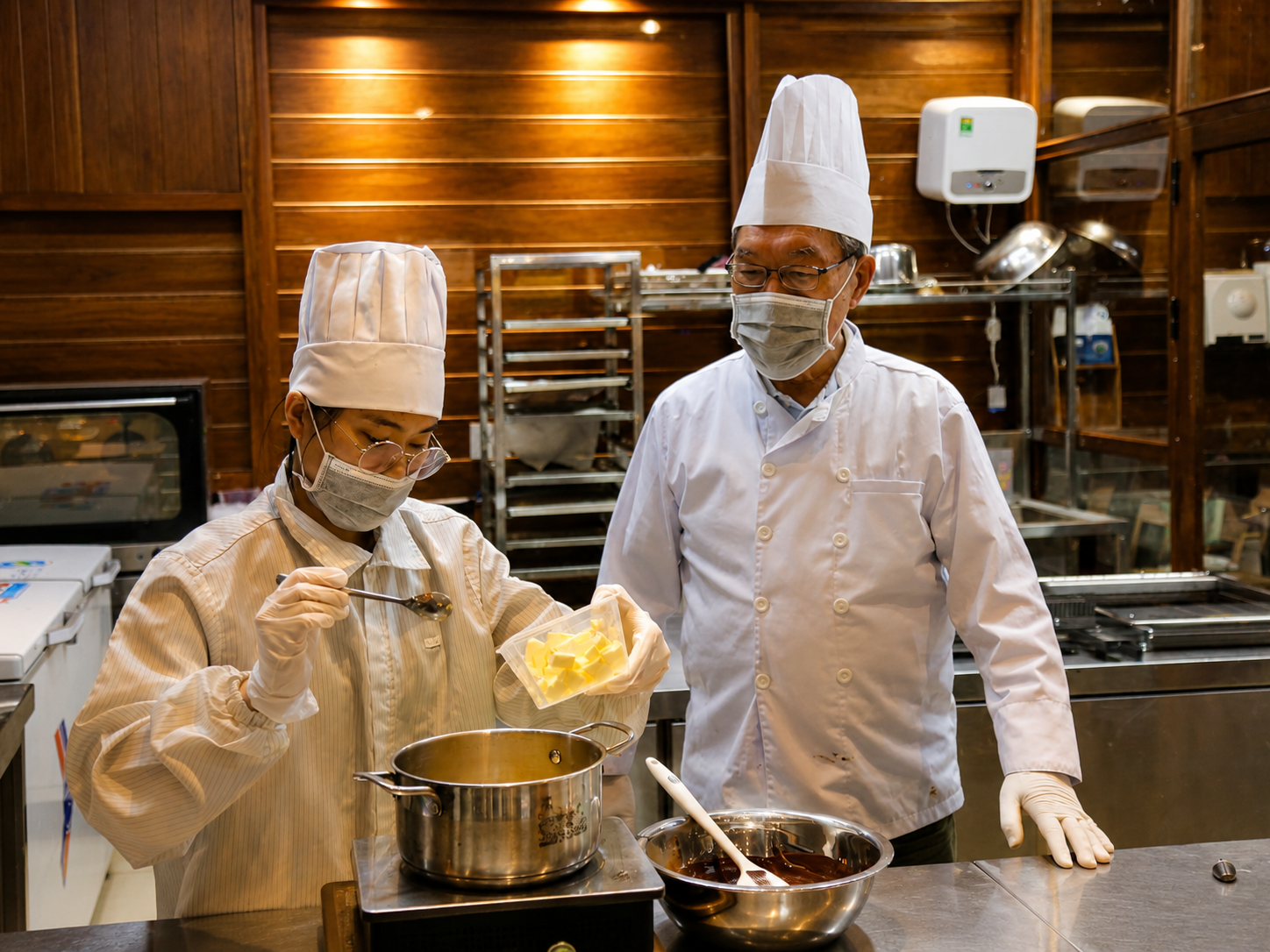
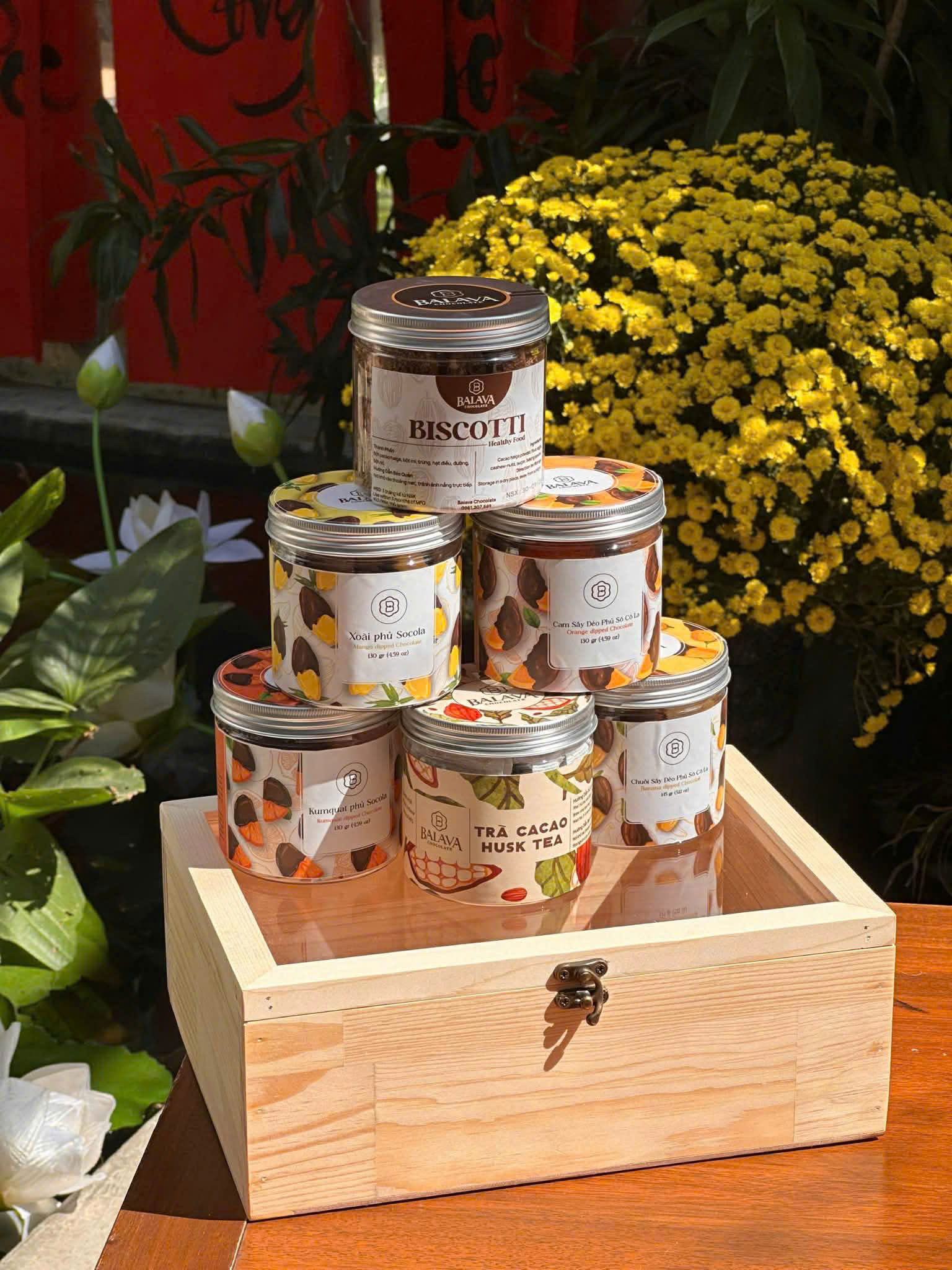
BALAVA makes nama chocolate from its own chocolate — meaning the base traces back to Lam Dong cacao beans, fermented by the Nakano Mame method under controlled time and temperature, then roasted, stone-ground and pressed in the workshop in Da Lat. BALAVA is currently extending control into cultivation, moving towards a farm-to-bar model.
That is a meaningful difference from the common approach, which starts from bought-in couverture. For a product where the base is at least 40% of the weight and there is nothing to hide behind, where that base came from is not a small detail.
Talk to BALAVA
Wholesale pricing, private label, samples and export documentation — we answer in English.
Sources. The definition of 生チョコレート (chocolate base at least 40% of total weight, cream at least 10%, water content including that in the cream at least 10%) follows the Japanese fair competition code on chocolate labelling. Product origin: Sils Maria, Kanagawa Prefecture, Japan, 1988, created by owner-chef Kobayashi Masakazu. Notes on emulsion technique, ratios and storage reflect production practice; the specific shelf life of BALAVA product varies by batch and storage condition — refer to the packaging. BALAVA product specifications are supplied by BALAVA. The Japanese pâtisserie is named as a matter of provenance for this product category; this article makes no comparison and no judgement about third-party products.
Other review products