Working across the cacao trade, most misunderstandings come not from weak language skills but from one misused technical term. Writing cocoa powder where you meant cocoa mass in a quotation names two entirely different products at entirely different prices. What follows is the vocabulary BALAVA uses when working between Vietnamese, English, Korean and Japanese.
1. The plant and the raw material
| English | Tiếng Việt | 한국어 | 日本語 |
|---|---|---|---|
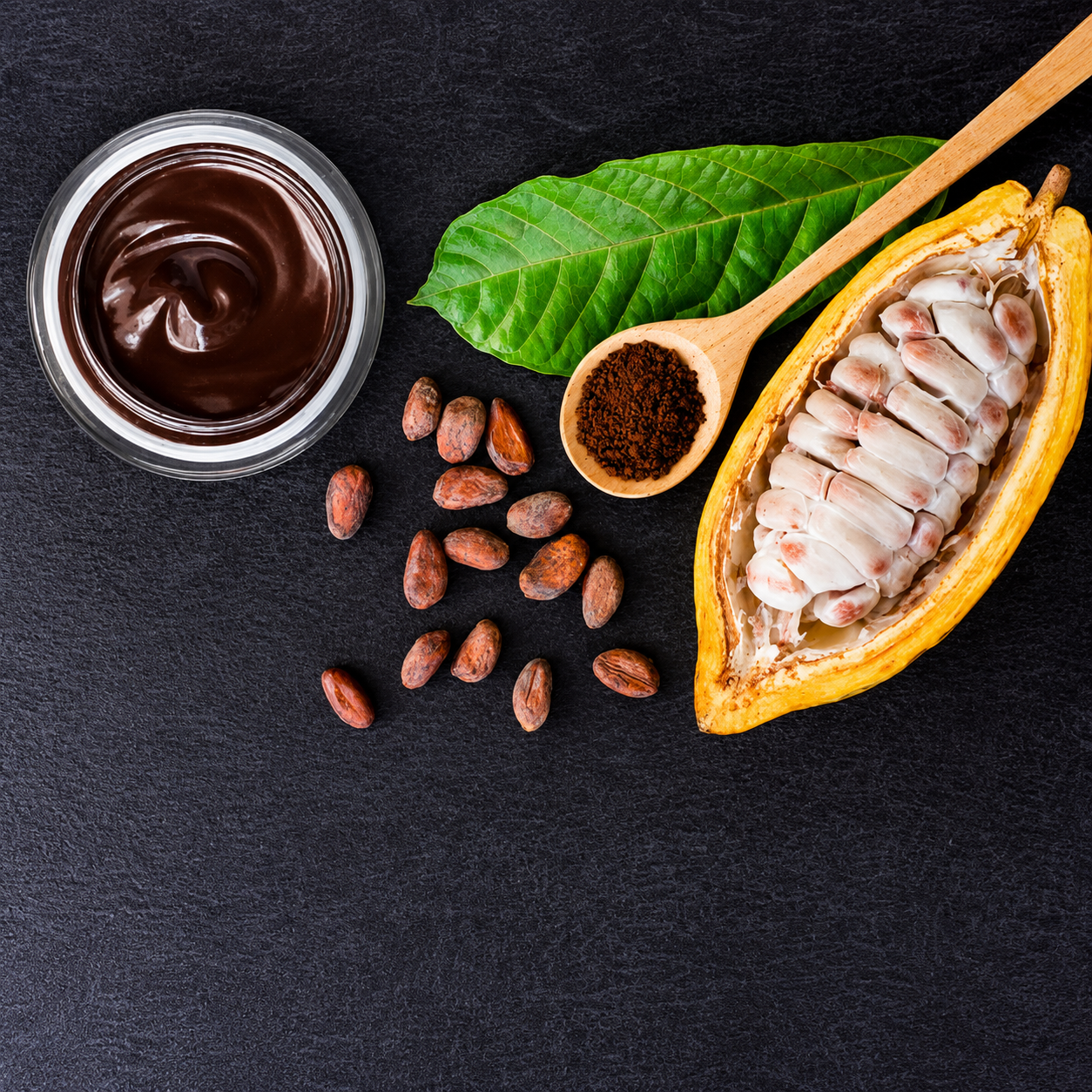
| Cacao tree (Theobroma cacao) | Cây cacao | 카카오나무 | カカオの木 |
| Pod | Quả cacao | 카카오 포드 / 열매 | カカオポッド |
| Cacao bean | Hạt cacao | 카카오 빈 / 원두 | カカオ豆 |
| Pulp | Cơm quả (thịt quả) | 펄프 / 과육 | パルプ・果肉 |
| Husk / shell | Vỏ hạt | 카카오 껍질 | カカオハスク |
| Criollo / Forastero / Trinitario | Giống Criollo / Forastero / Trinitario | 크리오요 / 포라스테로 / 트리니타리오 | クリオロ / フォラステロ / トリニタリオ |
| Fine or flavour cacao | Cacao hương vị tinh tế | 파인 플레이버 카카오 | ファインフレーバーカカオ |
| Bulk cacao | Cacao đại trà | 벌크 카카오 | バルクカカオ |
| Single origin | Một vùng trồng | 싱글 오리진 | シングルオリジン |
| Terroir | Thổ nhưỡng, điều kiện vùng trồng | 테루아 | テロワール |
2. Post-harvest processing
| English | Tiếng Việt | 한국어 | 日本語 |
|---|---|---|---|
| Fermentation | Lên men | 발효 | 発酵 |
| Drying | Phơi / sấy | 건조 | 乾燥 |
| Fermentation box | Thùng lên men | 발효 상자 | 発酵ボックス |
| Cut test | Thử cắt hạt | 컷 테스트 | カットテスト |
| Slaty bean | Hạt xám (chưa lên men đủ) | 슬레이티 빈 | スレーティ豆 |
| Mouldy bean | Hạt mốc | 곰팡이 빈 | カビ豆 |
| Moisture content | Độ ẩm hạt | 수분 함량 | 水分含量 |
A note on the cut test. Vietnamese has no settled equivalent; technical documents generally render it descriptively. In contracts, keep the English term to avoid ambiguity.
3. Manufacturing
| English | Tiếng Việt | 한국어 | 日本語 |
|---|---|---|---|
| Roasting | Rang | 로스팅 | 焙煎(ロースト) |
| Winnowing | Tách vỏ | 위노잉 / 껍질 분리 | ウィノーイング(風選) |
| Cacao nib | Nhân hạt cacao | 카카오 닙스 | カカオニブ |
| Cocoa mass / cocoa liquor | Khối cacao | 카카오 매스 | カカオマス |
| Cocoa butter | Bơ cacao | 카카오 버터 | ココアバター |
| Cocoa cake / press cake | Bánh cacao ép | 카카오 케이크 | ココアケーキ |
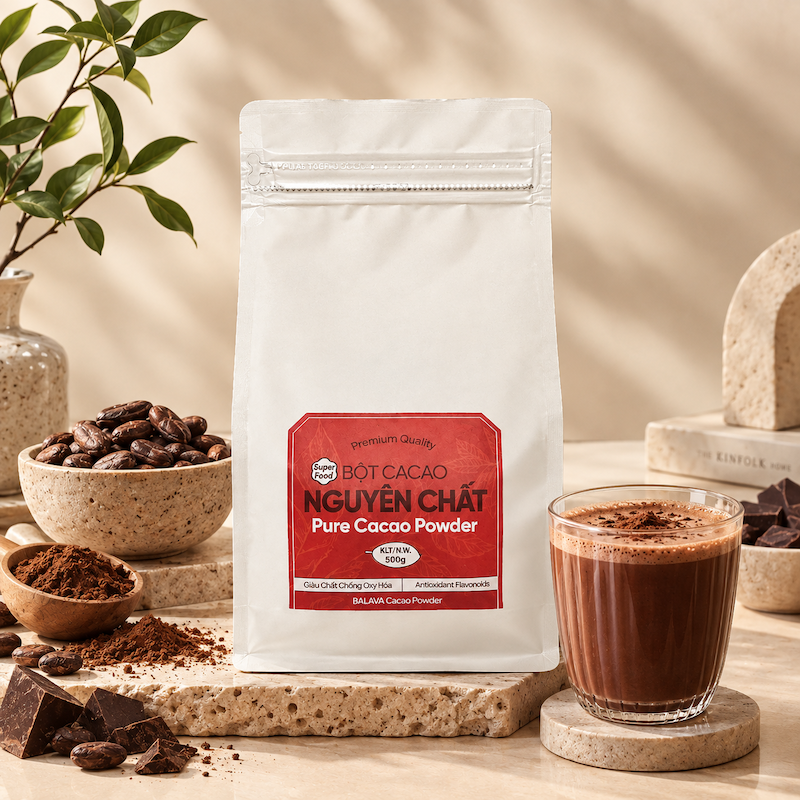
| Cocoa powder | Bột cacao | 카카오 파우더 | ココアパウダー |
| Alkalization / Dutch process | Kiềm hóa | 알칼리 처리 / 더치 프로세스 | アルカリ処理 |
| Non-alkalized / natural | Không kiềm hóa | 무알칼리 / 내추럴 | 非アルカリ処理 |
| Grinding, refining | Nghiền, tinh luyện | 분쇄 · 정련 | 微粒化(レファイニング) |
| Stone grinding | Nghiền đá | 맷돌 분쇄 | 石臼挽き |
| Conching | Conching | 콘칭 | コンチング |
| Tempering | Temper (điều nhiệt kết tinh) | 템퍼링 | テンパリング |
| Moulding | Đổ khuôn | 성형 / 몰딩 | モールド(型入れ) |
| Enrobing | Phủ socola | 엔로빙 | エンローバー掛け |
4. Products and market terms
| English | Tiếng Việt | 한국어 | 日本語 |
|---|---|---|---|
| Bean to bar | Bean to bar | 빈투바 | ビーントゥバー |
| Farm to bar | Farm to bar | 팜투바 | ファームトゥバー |
| Couverture | Socola couverture | 커버춰 | クーベルチュール |
| Compound chocolate | Socola hỗn hợp (dùng chất béo thay thế) | 컴파운드 초콜릿 | コンパウンドチョコレート |
| Cocoa butter substitute / replacer (CBS / CBR) | Chất béo thay thế bơ cacao | 카카오 버터 대체유지 | 代用油脂(CBS・CBR) |
| Ganache | Ganache | 가나슈 | ガナッシュ |
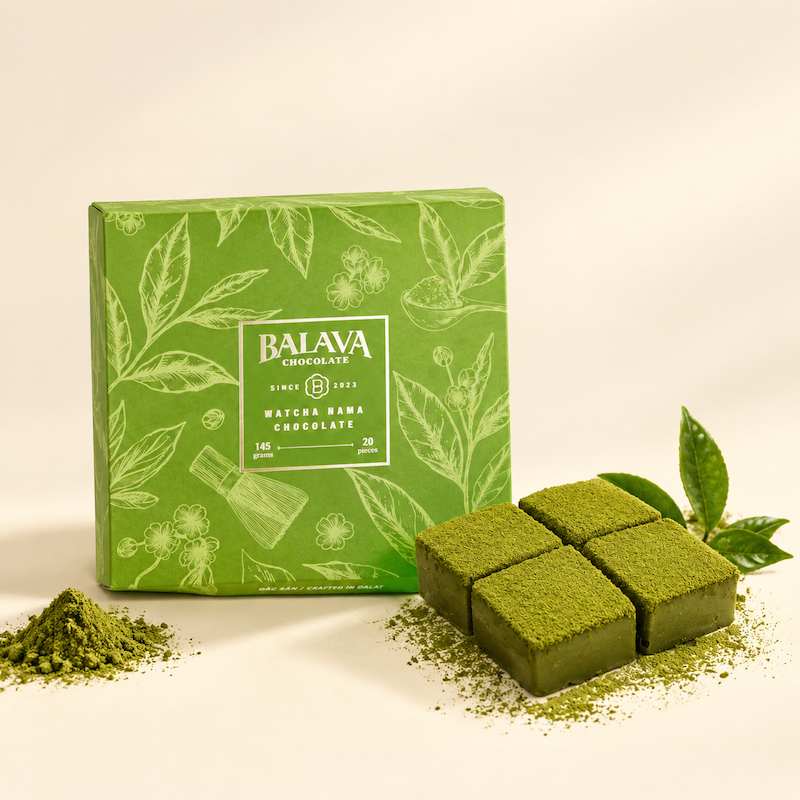
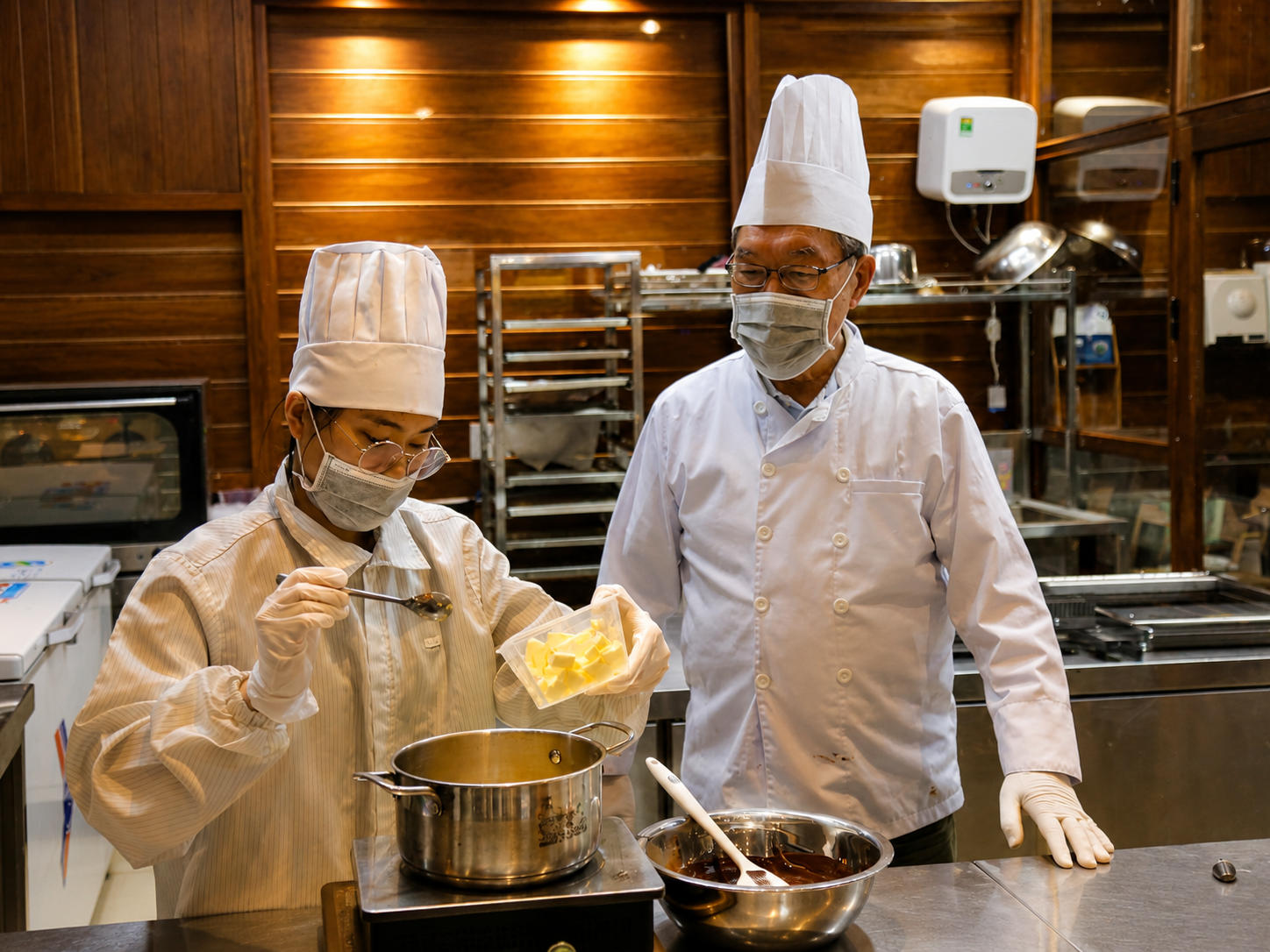
| Nama chocolate | Socola tươi (nama) | 나마 초콜릿 / 생초콜릿 | 生チョコレート |
| Praline | Praline | 프랄린 | プラリネ |
| Truffle | Truffle | 트러플 | トリュフ |
| Cacao percentage | Hàm lượng cacao | 카카오 함량 | カカオ分 |
| Bloom | Bloom (lớp trắng bề mặt) | 블룸 | ブルーム |
| Snap | Độ giòn khi bẻ | 스냅 | スナップ |
5. Sensory vocabulary
| English | Tiếng Việt | 한국어 | 日本語 |
|---|---|---|---|
| Astringency | Vị chát | 떫은맛 | 渋み |
| Bitterness | Vị đắng | 쓴맛 | 苦味 |
| Acidity | Độ chua | 산미 | 酸味 |
| Fruity notes | Hương trái cây | 과일 향 | フルーティな香り |
| Nutty / roasted notes | Hương hạt / rang | 견과 향 / 로스팅 향 | ナッツ香・焙煎香 |
| Mouthfeel | Cảm giác trong miệng | 식감 / 입안 촉감 | 口当たり |
| Aftertaste / finish | Hậu vị | 여운 | 後味 |
The six pairs most often confused
01
Cacao and cocoa. In the fine-chocolate trade, cacao tends to mean raw or minimally processed forms and cocoa the industrially processed ones. This is a market convention with no legal force in any jurisdiction.
02
카카오 and 코코아 in Korean. The most consequential pair when preparing documents for Korean buyers. Use 카카오 for raw material and pure cocoa powder; 코코아 in Korean usually signals a sweetened, ready-to-drink powder. Get this wrong and the buyer reads your product as an entirely different category.
03
カカオ and ココア in Japanese. The same logic: カカオ for the raw material, ココア for the beverage. Labelling pure cocoa powder for Japan as ココアパウダー follows industry practice, but describe the input material as カカオ.
04
Couverture and compound. Couverture is real chocolate with a high cocoa butter content, used for coating and moulding, and it must be tempered. Compound uses substitute fats, needs no tempering, and in many markets may not legally be called chocolate. They look similar and are not interchangeable.
05
Japan’s legal categories. The Japanese market distinguishes チョコレート from 準チョコレート under its fair competition code on labelling, based on cocoa solids and fat content. When preparing labels for Japan, verify the thresholds with your importer rather than inferring them from EU standards.
06
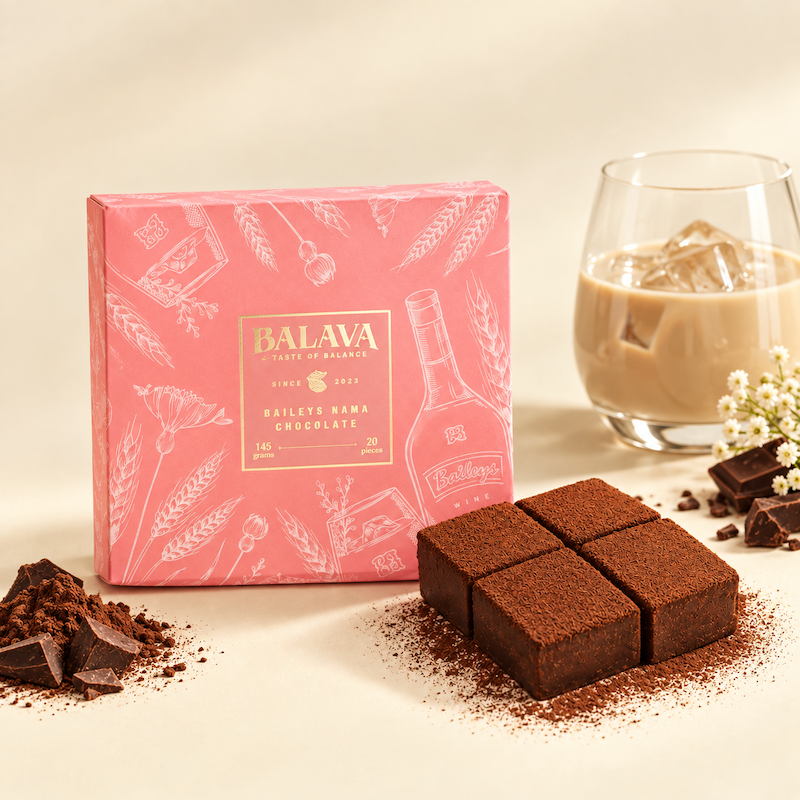
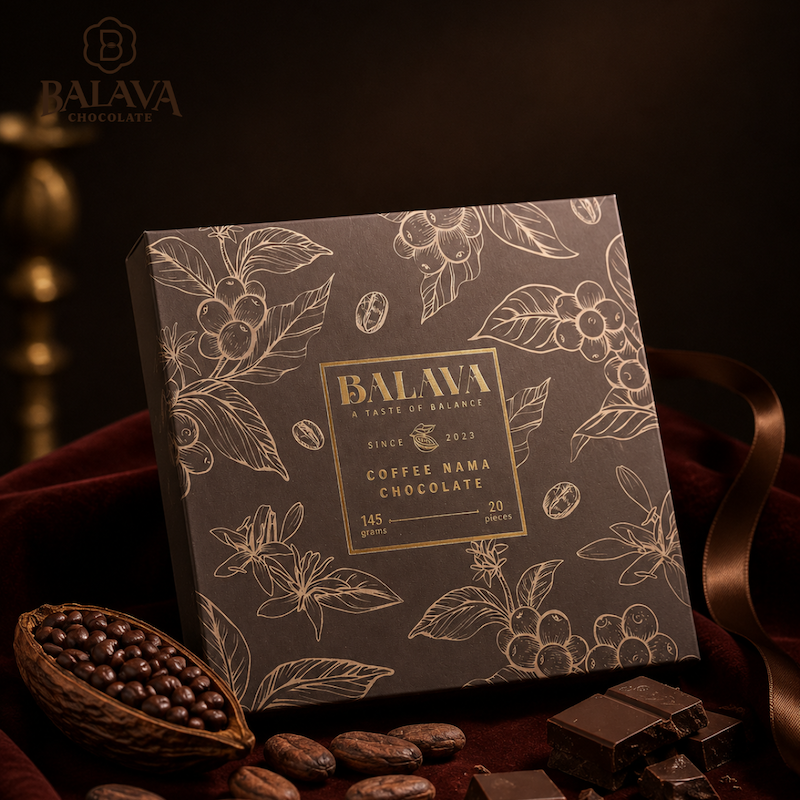
Nama chocolate. Vietnamese calls it “fresh chocolate”, which translated literally into English means nothing to anyone. The international term is nama chocolate; the Japanese is 生チョコレート. In Japan it is a defined category: at least 40% chocolate base by total weight, at least 10% cream, and water content — including the water in the cream — of at least 10%.
Practical notes for export documentation
In contracts and specification sheets, make the English term the primary entry and put translations in brackets, not the other way round. The reason is simple: English is the working language of shipping and customs paperwork, while the translation exists so internal readers can follow quickly.
For technical specifications, always give the unit and the method. “100–150 mesh” is clearer than “fine powder”. “22–25% cocoa butter” is clearer than “high fat”. Professional buyers in all three markets read the numbers first.
Talk to BALAVA
Wholesale pricing, private label, samples and export documentation — we answer in English.
Sources. Terms are compiled from cacao and chocolate technical literature in four languages. Most are standardised; several Vietnamese entries have no settled equivalent and are given as they most commonly appear in professional documents. The definition of 生チョコレート (chocolate base at least 40%, cream at least 10%, water content at least 10%) follows the Japanese fair competition code on chocolate labelling. The チョコレート / 準チョコレート distinction comes from the same code; specific thresholds should be confirmed with a Japanese importer before printing labels. The cacao/cocoa, 카카오/코코아 and カカオ/ココア conventions are market practice, not regulation.
Other review products