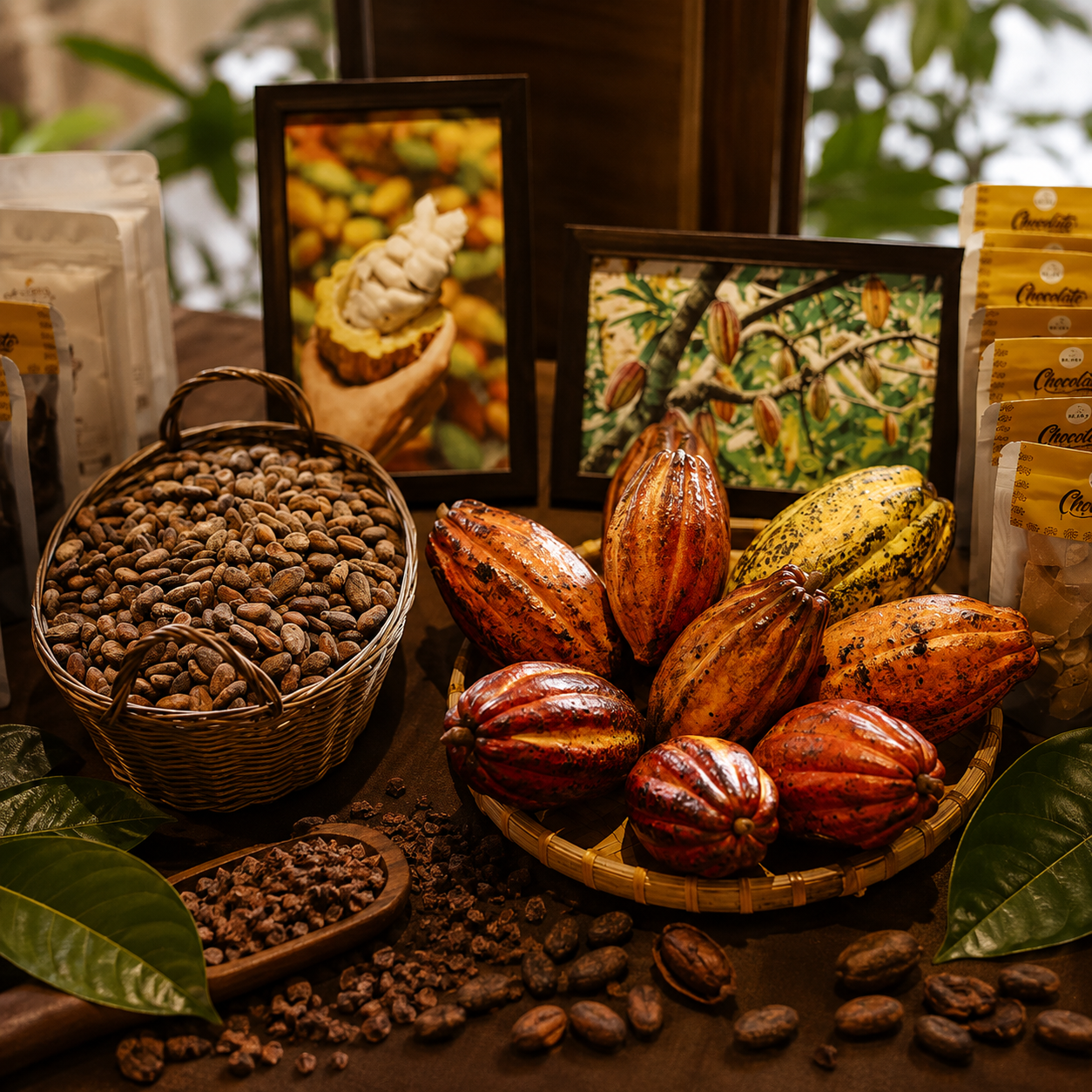
On the same supermarket shelf you will find cacao powder next to cocoa powder, cacao nibs next to cocoa butter. Two spellings for the same seed. The reason is not a scientific convention. It is an eighteenth-century mistake that was never corrected — it simply won.
1550s
“cacao” enters English
Borrowed from Spanish, which took it from Nahuatl cacahuatl.
1753
Linnaeus names the tree
Theobroma cacao, in Species Plantarum.
c. 1788
“cocoa” recorded in the modern sense
A corrupted form of “cacao”, confused with “coco”.
c. 1800
“cocoa” becomes standard English
The error achieves dictionary status.
Cacao — the indigenous word
“Cacao” is the only one of the two with a legitimate lineage. It comes from Nahuatl, the language of the Aztec empire, and passed into English through Spanish in the 1550s.
The trail may run considerably further back than that. A number of historical linguists argue that Nahuatl was not the starting point either — that Nahuatl speakers had themselves borrowed the word from an older language of the Mixe-Zoque family, associated with the Olmec civilisation. If that reconstruction holds, “cacao” is among the oldest words still in everyday global use, with more than three thousand years behind it.
Cocoa — a mistake that became the standard
This is the part worth knowing. “Cocoa” is not an independent word with its own origin. It is a deformation of “cacao”, produced by confusion with an entirely unrelated word: coco, the coconut palm.
The two have no relationship whatsoever. “Coco” also entered English around the 1550s, but from Spanish and Portuguese, where it originally meant something like grimacing face — a reference to the three depressions at the base of a coconut, which look like eyes and a mouth. Two unrelated fruits that happened to arrive in English at the same moment with similar-sounding names. English merged them.
“Cocoa” in its modern sense is recorded from around 1788, and by roughly 1800 it had become the ordinary English spelling. The error was never fixed. It just outlasted the correction.
Chocolate — still disputed
“Chocolate” entered English around 1600, via Mexican Spanish, from a Nahuatl form chocolatl, in which the element atl means water.
The explanation you will meet everywhere — including in a good deal of academic writing — is that it derives from xocolatl, combining xococ (bitter or sour) with atl (water): “bitter water”. Specialists in Nahuatl have raised a serious objection to this. The form xocolatl is essentially absent from colonial-period Nahuatl sources, which are the most reliable evidence available. Several alternative derivations have been proposed, including routes through Mayan languages. The honest position is that the etymology of “chocolate” remains unresolved.
Theobroma — food of the gods
In 1753 the Swedish botanist Carl Linnaeus gave the cacao tree its scientific name in Species Plantarum: Theobroma cacao. The genus name joins two Greek roots, theos (god) and broma (food) — literally, food of the gods. The species name keeps the indigenous word intact.
The naming is commentary rather than description. Linnaeus was not characterising the plant’s morphology; he was recording the ceremonial standing and value cacao held in Mesoamerican civilisations, where the beans served as currency and appeared in religious ritual.
How the industry uses the two words now
In the modern market, particularly at the fine and bean-to-bar end, an informal convention has settled in.
| Term | Typical use |
|---|---|
| Cacao | Raw or minimally heat-processed forms: cacao nibs, pure cacao powder, cacao mass. The implication is proximity to the original material, with nutrients and native flavour retained. |
| Cocoa | Industrially processed forms: alkalized cocoa powder, instant cocoa, drinking mixes. The implication is standardisation. |
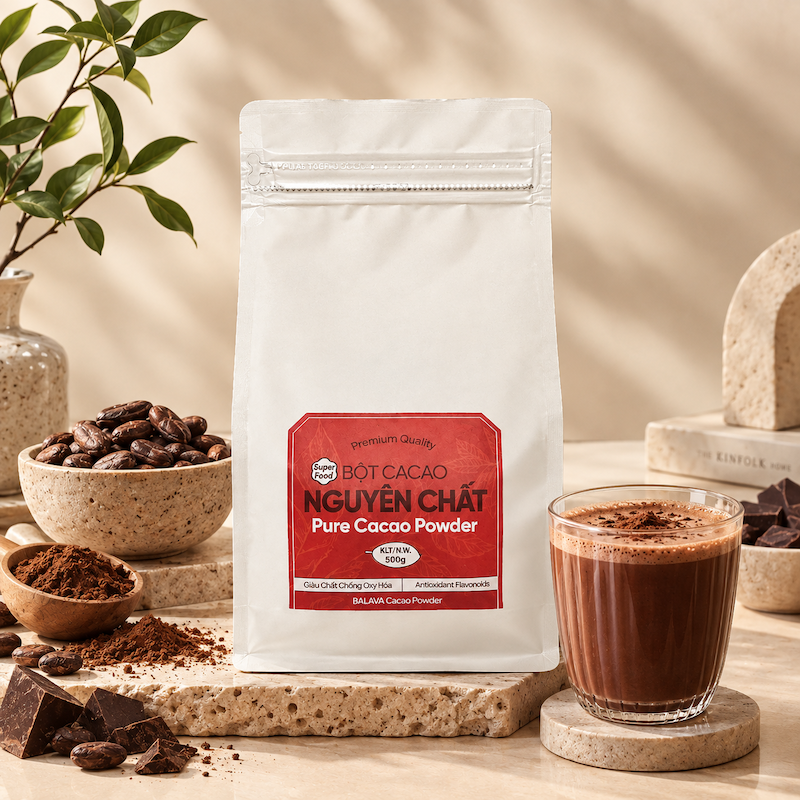
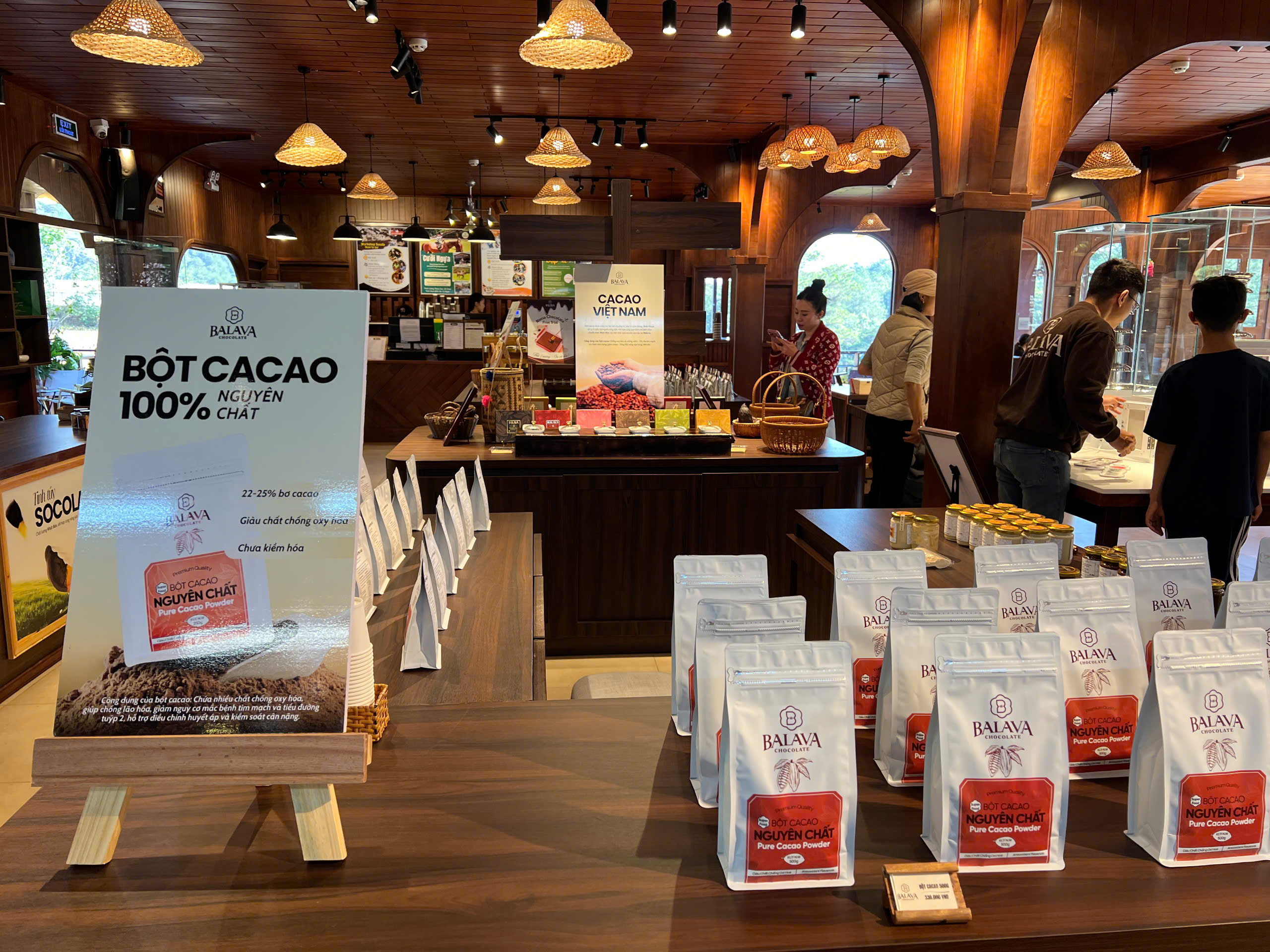
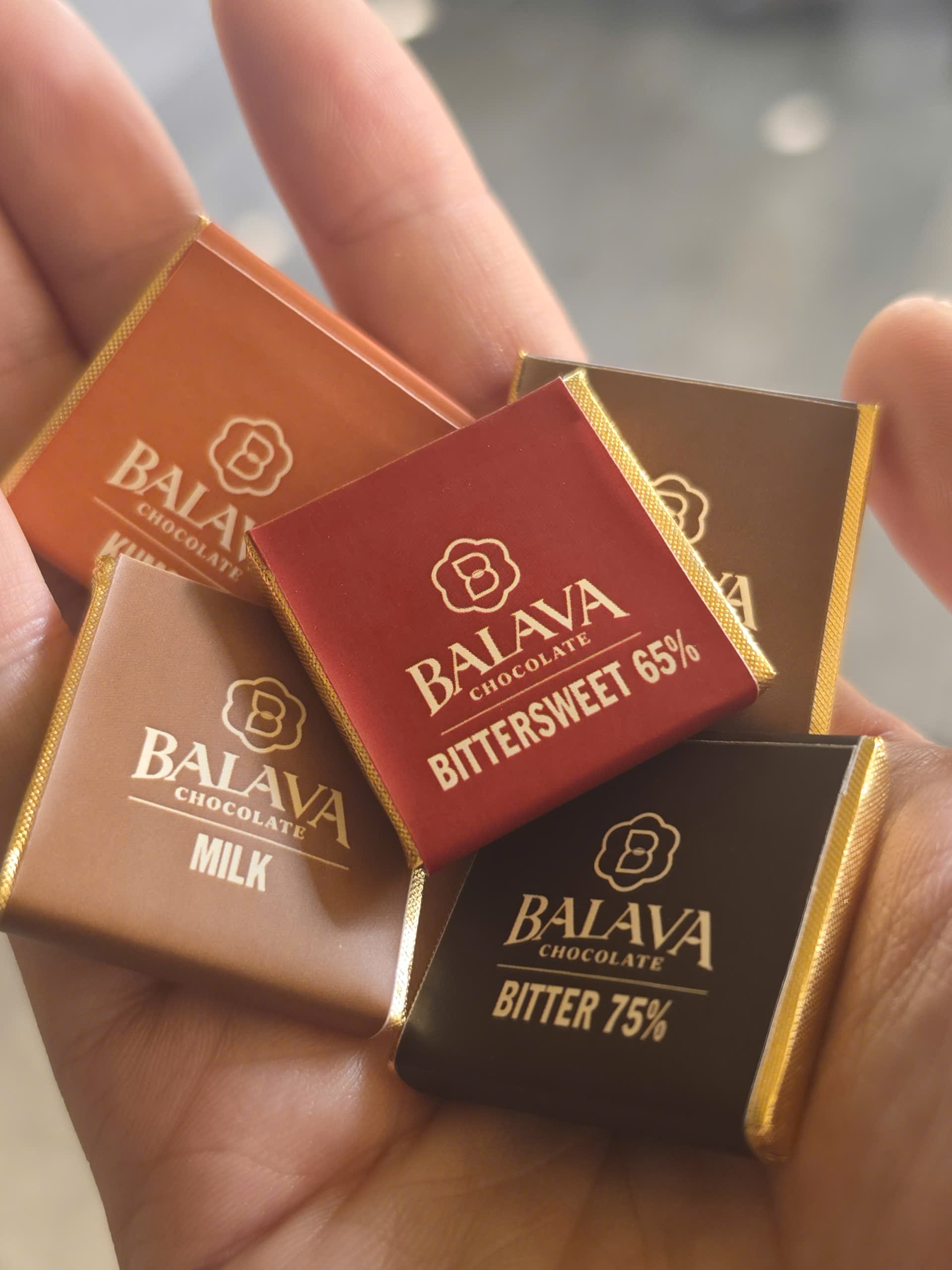
This convention has no legal force. No regulation anywhere requires it, and plenty of producers use the words interchangeably or against the grain of the convention. Read the specification, not the spelling: fat content, alkalization status and origin tell you what you are buying. BALAVA cocoa powder, for the record, is non-alkalized with 22–25% cocoa butter, whichever word appears on the label.

Talk to BALAVA
Wholesale pricing, private label, samples and export documentation — we answer in English.
Sources. Dates of entry into English and the “coco” confusion follow standard etymological reference works, including the Oxford English Dictionary and the Online Etymology Dictionary. The Mixe-Zoque hypothesis for the ultimate origin of “cacao” is a scholarly proposal, not settled fact, and is presented as such. The objection to the xocolatl derivation reflects published work by specialists in colonial Nahuatl sources. Scientific name and 1753 date: Carl Linnaeus, Species Plantarum. Industry usage of “cacao” versus “cocoa” is an informal market convention with no regulatory basis.
Other review products

.png "Roasted Cacao Beans")