"Bean to bar" and "farm to bar" appear on premium chocolate packaging everywhere. The question almost nobody asks: who verifies those claims? The straight answer is nobody does — and understanding that is the genuinely useful part.
0
bodies certifying the "bean to bar" label
35%
minimum cocoa solids for a product to be called chocolate in the EU
4 parts
of ISO 34101, the standard for sustainable and traceable cocoa
What Bean to Bar Means
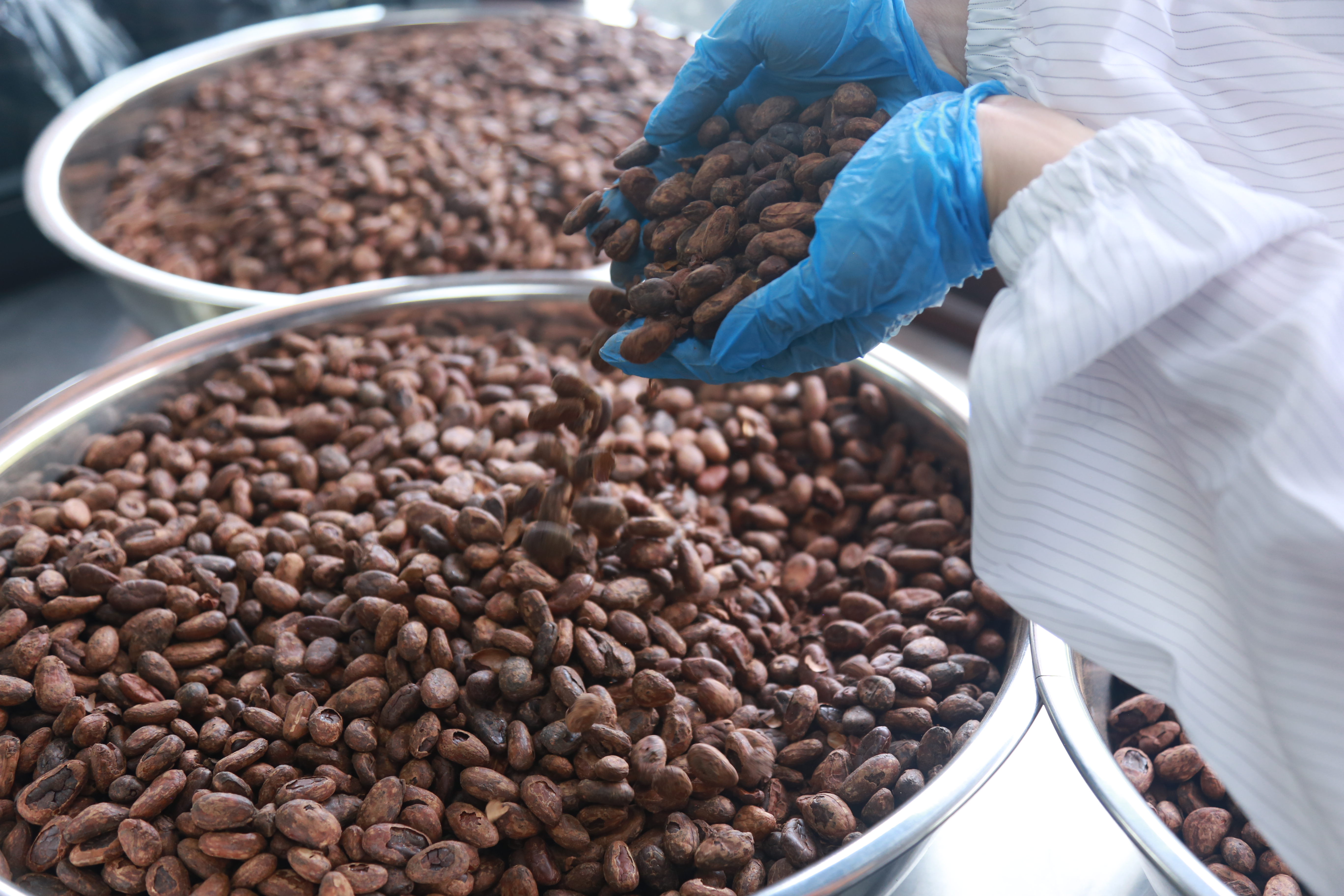
Bean to bar describes a model in which one operation buys fermented, dried beans and then carries out every remaining step itself: roasting, winnowing, grinding, refining, conching, tempering and moulding.
The essential point is not small scale or handcraft, but that the maker controls the parameters of each step. That is what allows roast level, particle size and conching time to be adjusted to the character of each individual lot rather than applied as a fixed routine.
According to the Fine Chocolate Industry Association glossary, the approach emphasises maximising the flavours inherent in the cacao bean. The term became widespread from around the mid-1990s.
Farm to Bar and Tree to Bar
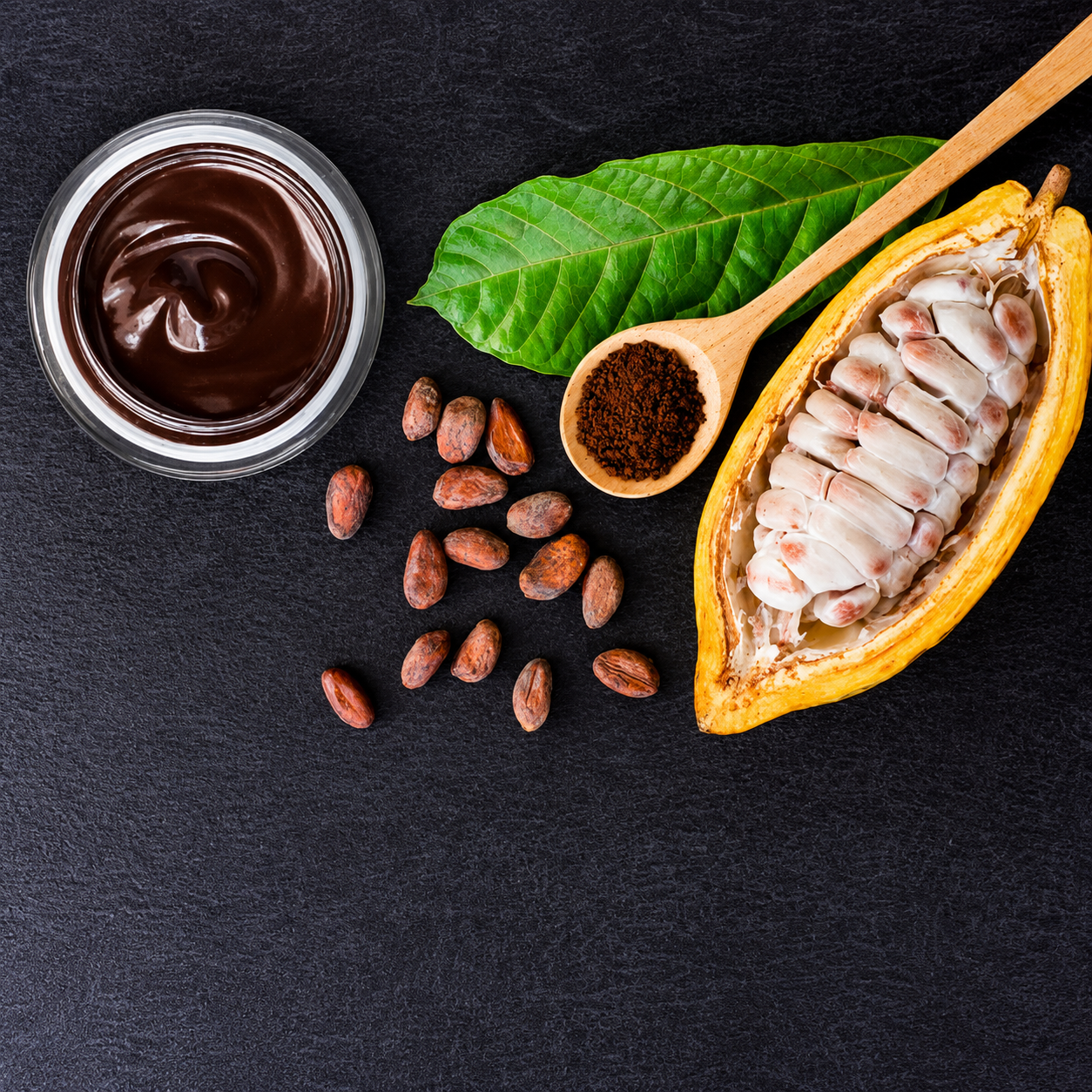
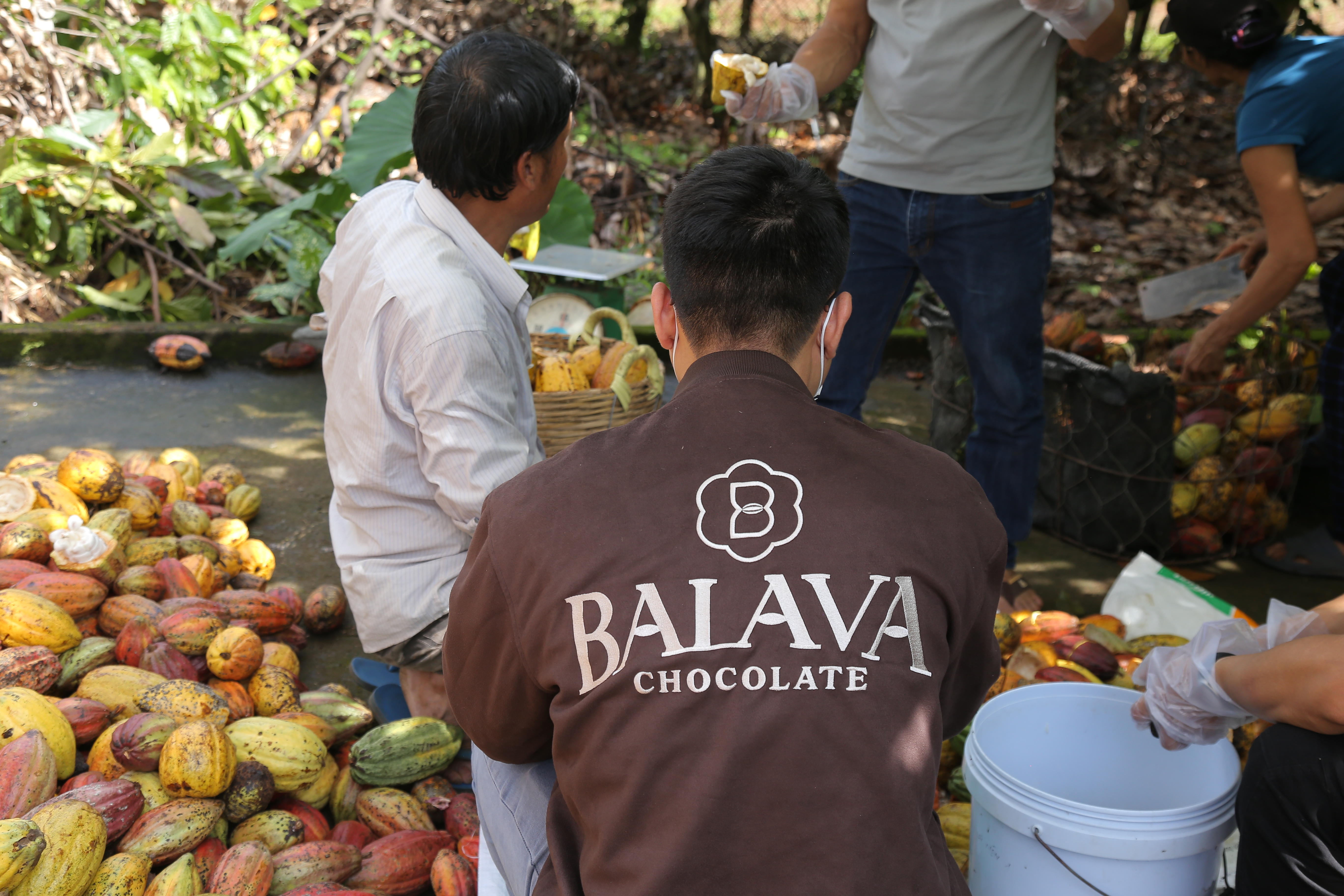
Farm to bar extends control upstream: the chocolate maker also grows or manages the cacao, harvests it, and runs fermentation and drying. In other words they hold the stage that determines raw material quality, not only the processing stage.
Tree to bar is often used near-synonymously, though some sources distinguish the two — tree to bar meaning the operation has access to the trees and does its own fermentation without necessarily owning the farm, while farm to bar implies ownership or direct control of the plantation.
Worth being clear about
The boundary between farm to bar and tree to bar is not consistently defined. Industry sources use the two terms differently, and sometimes contradict each other. So when you encounter either label on packaging, the only way to know what it actually means is to ask the producer which steps they genuinely perform — not to infer it from the wording.
Four Models, Ranked by Scope of Control
| Model | Starts from | Controls fermentation | Controls processing |
|---|---|---|---|
| Chocolatier | Finished couverture | No | Melting, blending and shaping only |
| Bean to bar | Fermented, dried beans | No | All of it |
| Tree to bar | Fresh cacao pods | Yes | All of it |
| Farm to bar | The plantation | Yes | All of it |
The most important distinction in that table is between chocolatier and chocolate maker. A chocolatier works with chocolate that already exists — shaping, filling and flavouring it, a craft demanding real skill but one that does not create chocolate. A chocolate maker turns beans into chocolate. Many consumers conflate the two roles.
Vocabulary Worth Knowing
Nib
Roasted, de-shelled cacao kernel broken into pieces. The input to grinding.
Winnowing
Using airflow to separate the thin shell from the kernel after roasting and cracking.
Cacao mass
Nibs ground to a liquid mass. Also called cacao liquor despite containing no alcohol. Roughly half cocoa butter.
Couverture
Finished chocolate with high cocoa butter content, made for coating and moulding. The chocolatier's input material.
Conching
Agitating the chocolate mass for hours to drive off volatile acids, refine texture and round out flavour.
Tempering
Controlling cocoa butter crystallisation into the desired form, giving gloss, snap and resistance to bloom.
Single origin
Beans from one defined origin. The scope may be a country, a region or narrower — there is no common standard for how narrow.
Single estate
Narrower than single origin: beans from a single farm. The highest level of traceability in commercial practice.
Standards: What Is Real and What Is Not
This is the most important section of this article, and the one marketing material tends to blur. Three entirely different categories need separating.
CATEGORY 1 — NO STANDARD
Bean to bar, farm to bar, tree to bar, craft chocolate
No body certifies these labels. There is no legal definition and no independent verification. Any operation can print them on packaging without breaching any regulation.
That does not make the labels worthless — they describe a real way of working. But their value rests entirely on the credibility of whoever is making the claim, not on any external verification mechanism. For a buyer, the correct response is to request a description of the actual process rather than accept the label.
CATEGORY 2 — LEGALLY BINDING
Composition: what may be called chocolate
Unlike the labels above, the word "chocolate" itself is tightly regulated and legally enforceable. Each market sets its own thresholds.
| Type | European Union | United States |
|---|---|---|
| Dark chocolate | Minimum 35% total dry cocoa solids, of which at least 18% cocoa butter and 14% fat-free dry cocoa solids | Sweet chocolate minimum 15% chocolate liquor; semisweet and bittersweet minimum 35% |
| Milk chocolate | Minimum 25% total cocoa solids, 14% milk solids, 25% total fat | Minimum 10% chocolate liquor, 12% milk solids, 3.39% milk fat |
| White chocolate | Minimum 20% cocoa butter and 14% milk solids | Governed separately under 21 CFR |
| Other vegetable fats | Up to 5% from approved sources permitted, must be declared on the label | Not permitted — products containing fat substitutes may not be called chocolate |
This surprises many people: a bar labelled "bean to bar" does not necessarily meet a higher composition threshold than an industrial product. The two frames of reference are independent of each other.
CATEGORY 3 — VOLUNTARY, CERTIFIABLE
Sustainability, traceability and quality
ISO 34101 is the first international standard series for sustainable and traceable cocoa, published in 2019 in four parts: sustainability management systems, economic, social and environmental performance requirements, traceability requirements, and requirements for certification bodies. It was developed jointly by stakeholders from producing and consuming countries.
This is the kind of standard that can actually be certified — a third party assesses and issues certification, which is fundamentally different from the self-declared labels in category one.
Alongside it sit sensory quality programmes such as the Cacao of Excellence protocol, plus organic and fair trade certifications. Each certifies a different dimension and none substitutes for another: an organic certificate says nothing about flavour, and a sensory award says nothing about labour conditions.
What a Buyer Should Ask
Because the production-model labels carry no verification mechanism, specific questions are worth far more than any label. Four are enough to separate a serious operation from one merely borrowing the vocabulary:
01
At which stage do you begin — the farm, fresh pods, dried beans, or bought-in couverture?
02
Who runs fermentation, by what process, and which parameters are controlled?
03
What is the actual cocoa content, and does the product meet the destination market's threshold?
04
To what level is the material traceable — country, region, cooperative, or individual farm?
Where BALAVA Sits
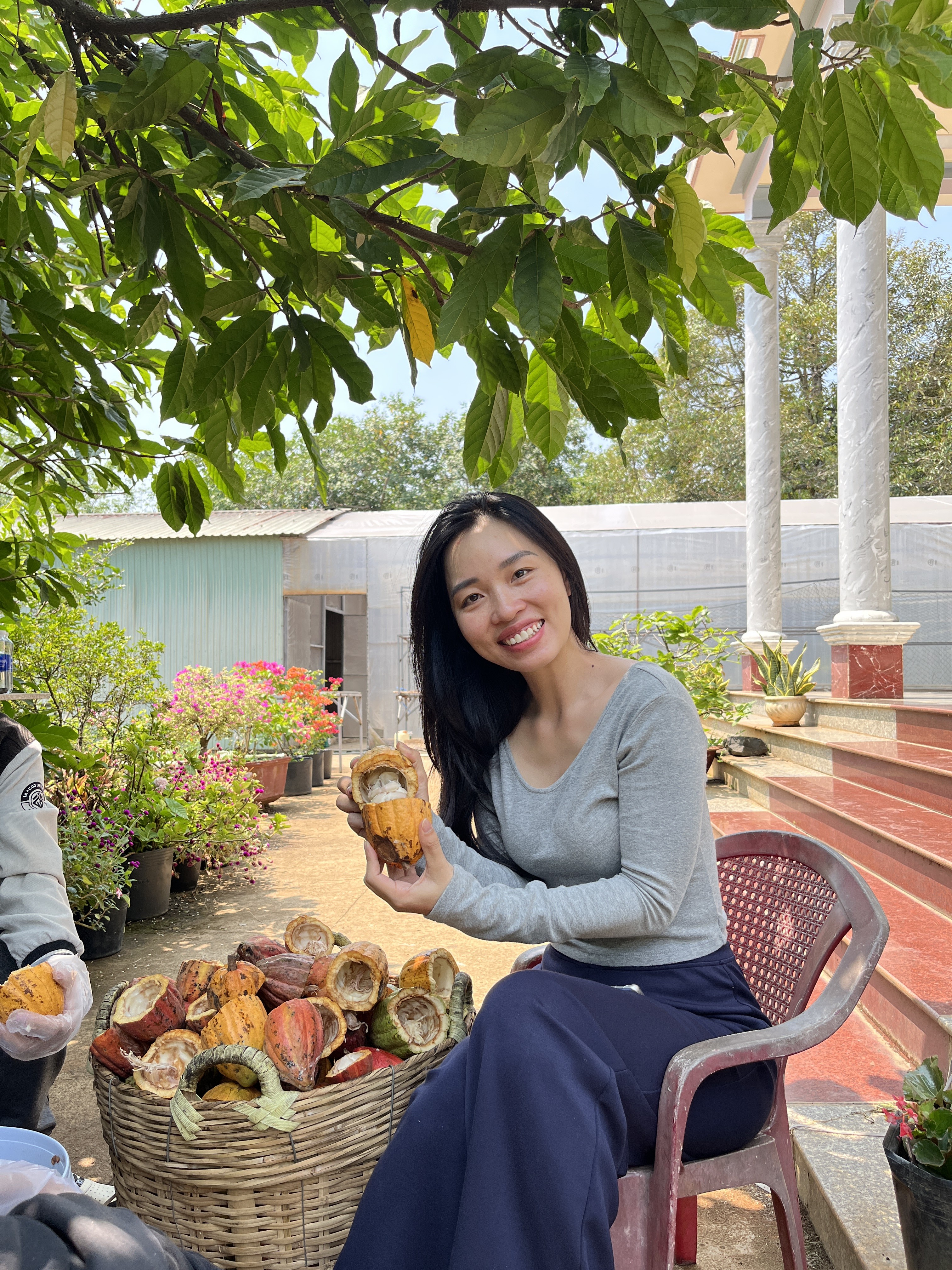
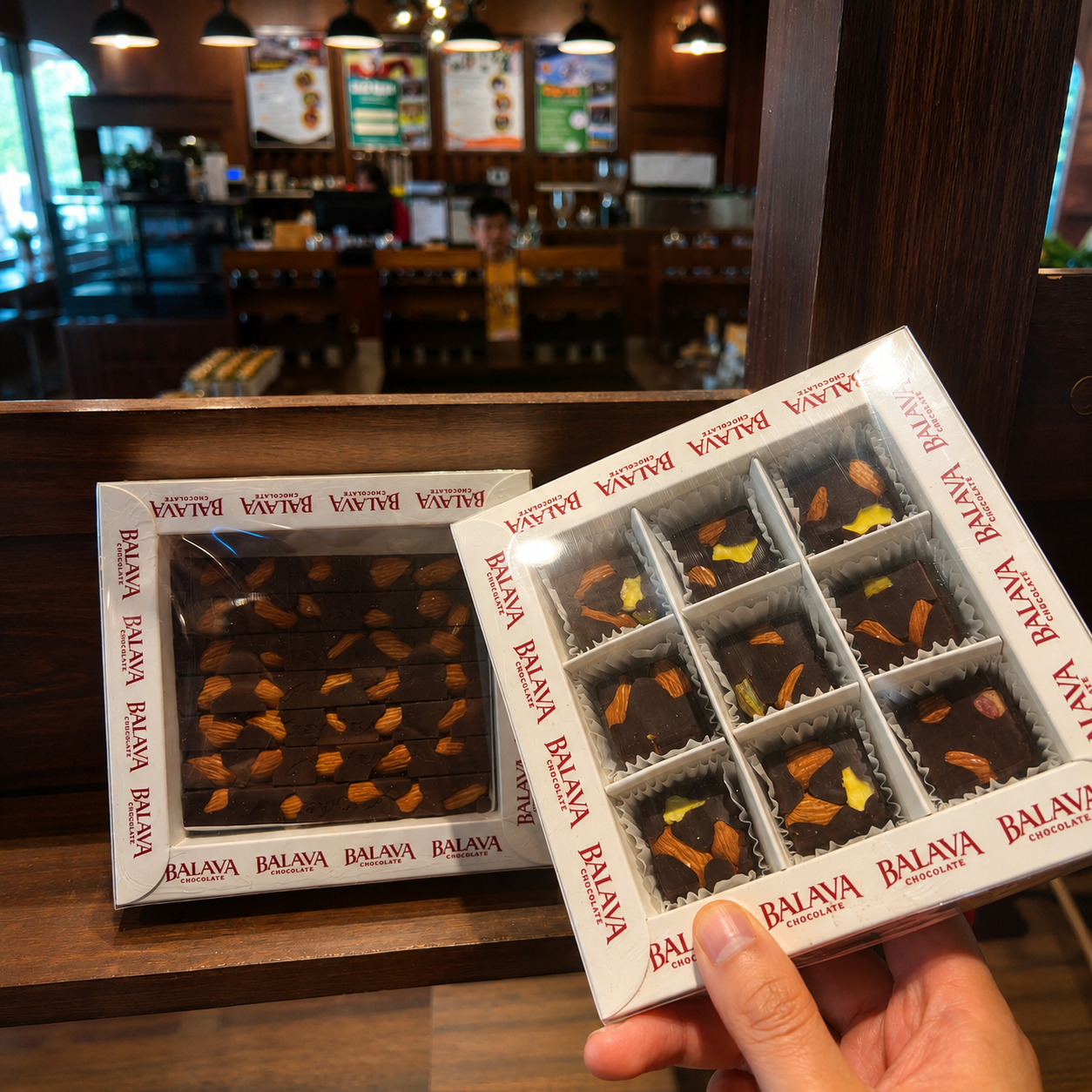
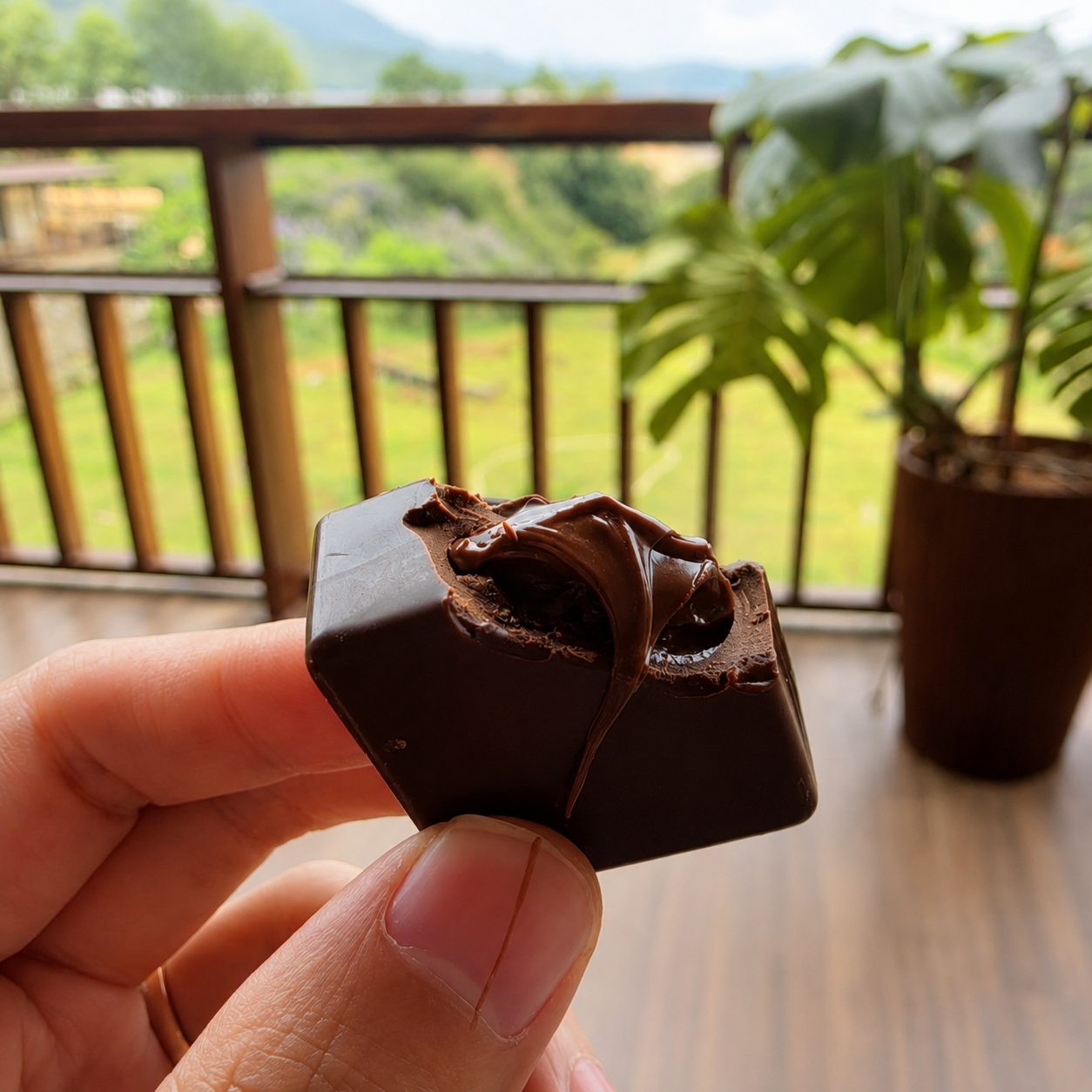
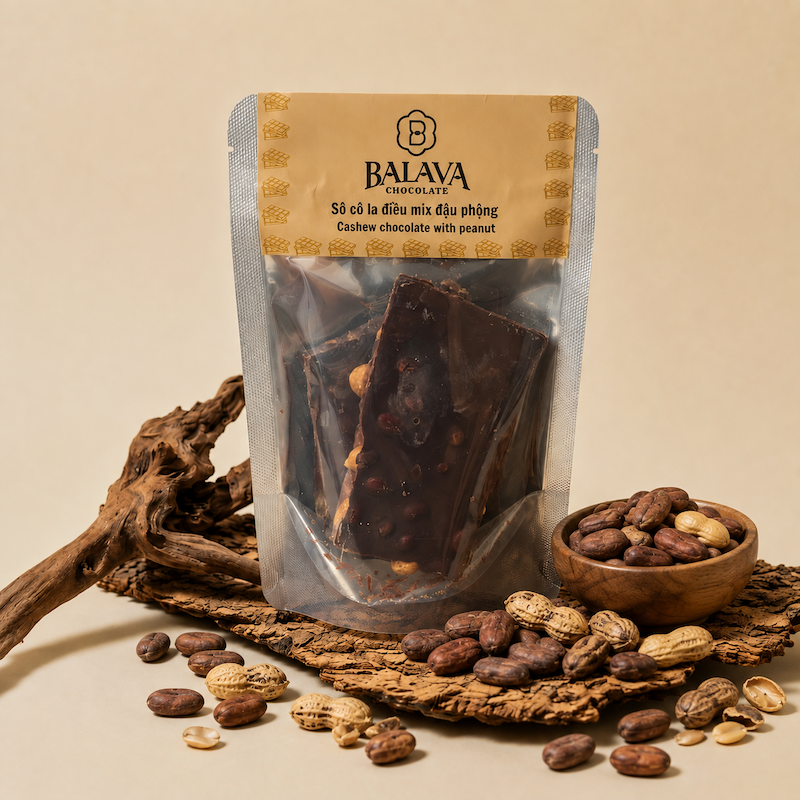
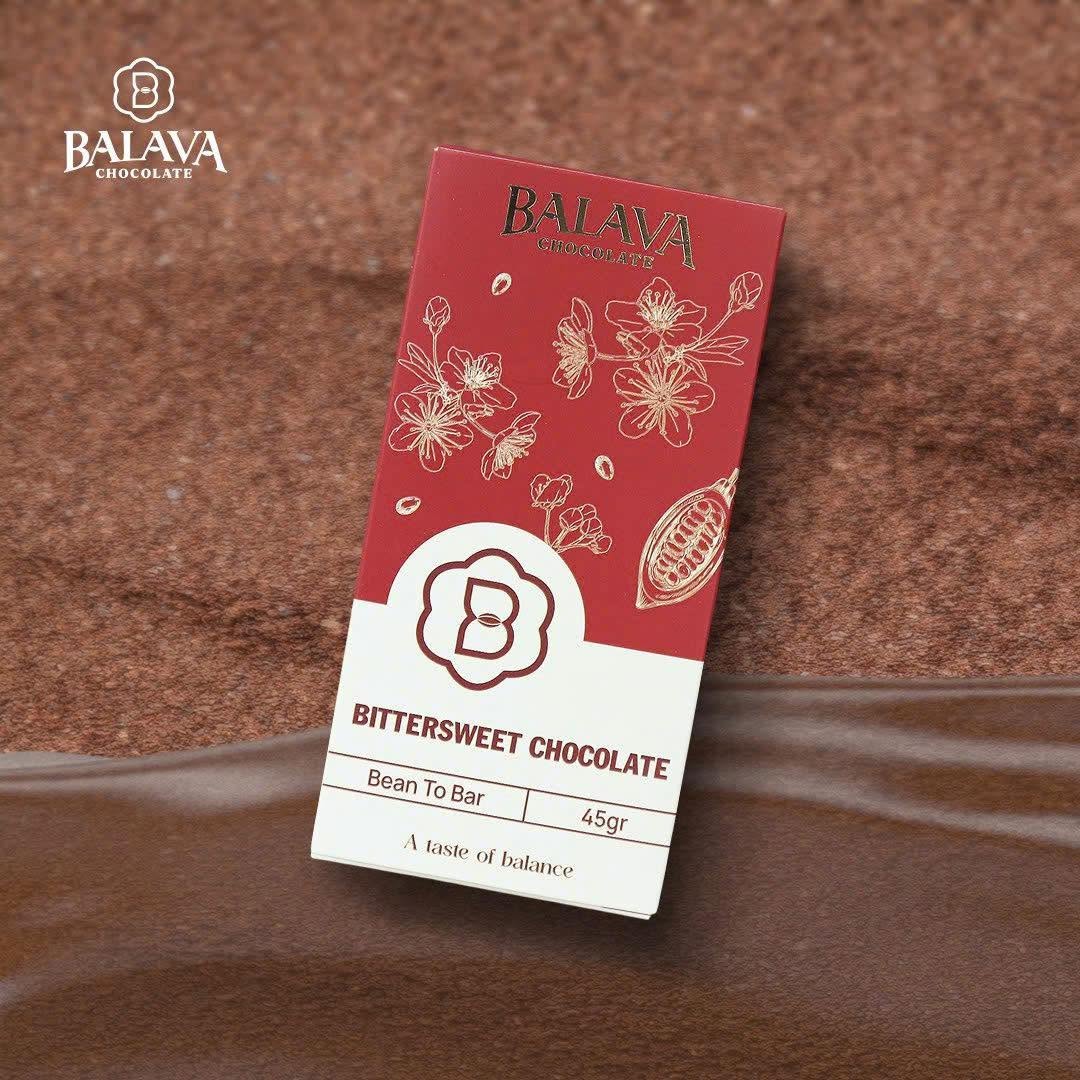
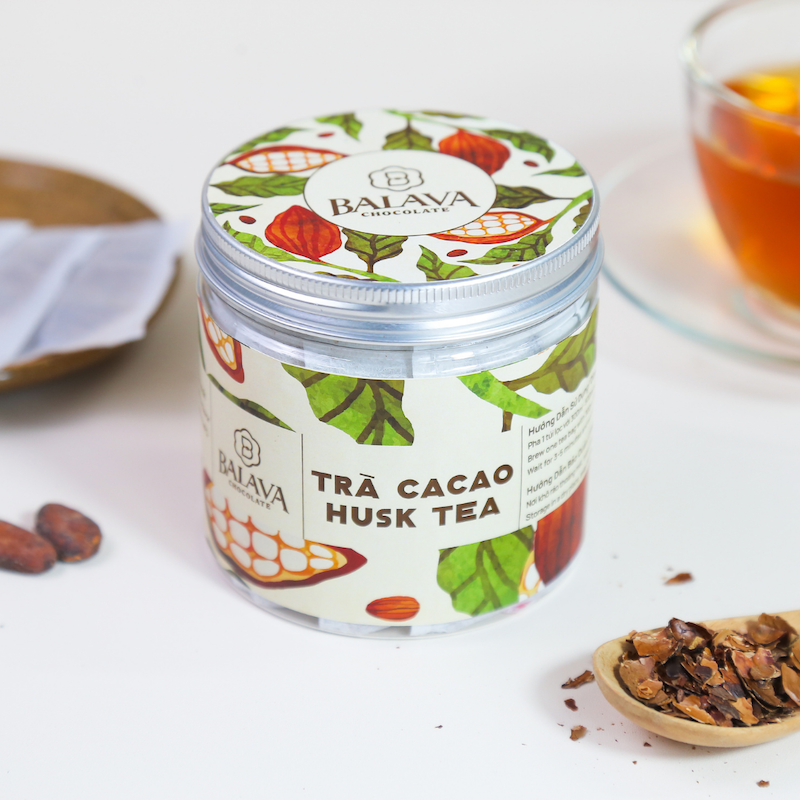
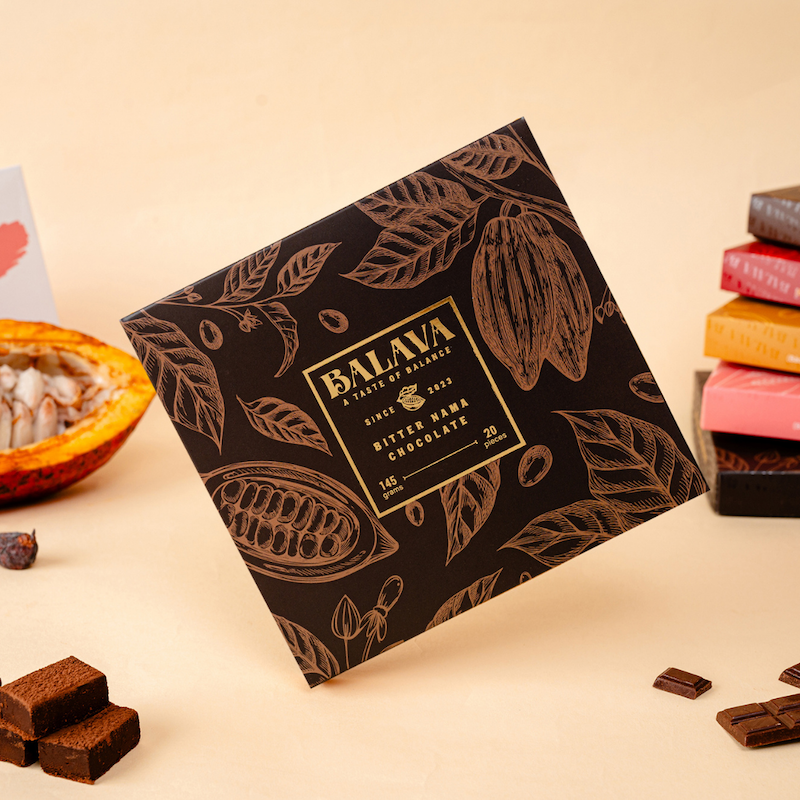
BALAVA uses cacao from Lam Dong, Vietnam, and controls fermentation using the Nakano Mame method with time and temperature closely monitored. The entire downstream chain — roasting, stone grinding, butter pressing, sifting and moulding — is carried out in our own workshop in Da Lat.
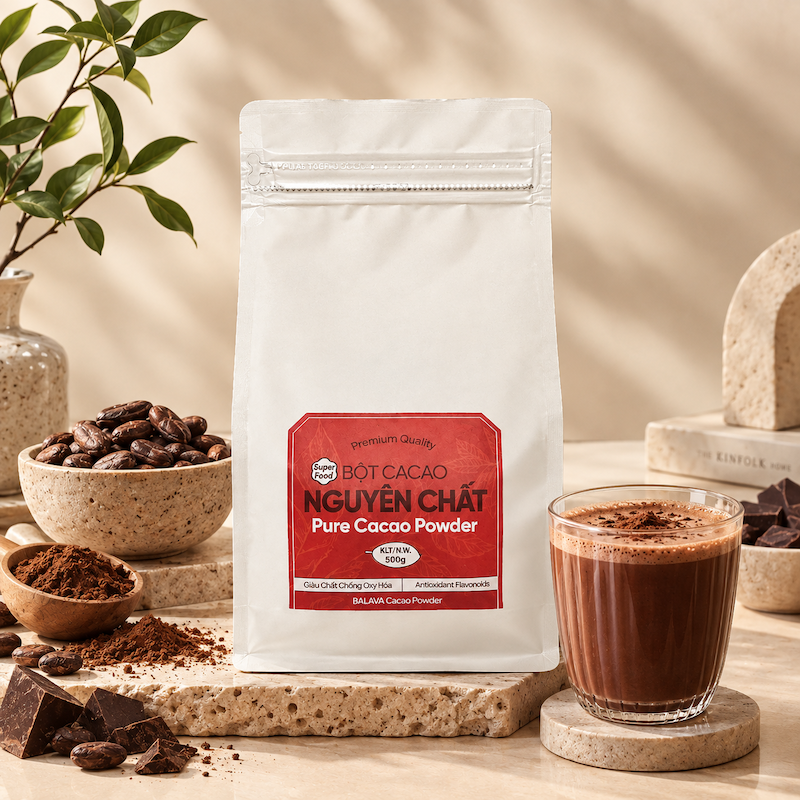
Controlling fermentation as well places BALAVA further upstream than a pure bean-to-bar operation, which by definition begins with beans someone else has already fermented. Our cocoa powder is non-alkalized with 22–25% cocoa butter.
For batch-level technical documentation, contact TGROUP.
Sources and limits: the reading of "bean to bar" is drawn from the Fine Chocolate Industry Association glossary. EU composition thresholds follow Directive 2000/36/EC and US thresholds follow 21 CFR Part 163. Information on the four-part ISO 34101 series published in 2019 is from ISO. The finding that bean to bar, farm to bar and tree to bar have no certifying body is a conclusion drawn from the fact that specialist sources consistently describe them as self-declared terms with definitions that differ between sources; should a certification mechanism emerge, this should be updated. Composition thresholds change over time and differ between markets — check the current rules of the destination market before exporting.
Wholesale, Export & Corporate Gifting
TGROUP is BALAVA's distribution partner. Contact us for pricing, product specifications and export documentation.
Other review products