Theobroma cacao
“Food of the gods” — the name Carl Linnaeus gave the cacao tree in 1753
Few foods have travelled as far as cacao. From a seed in the Mesoamerican rainforest it became currency, ceremonial drink, aristocratic luxury in Europe, industrial commodity, and finally the raw material of a craft movement. Three thousand years, and the story is still being written — some of it now in the Vietnamese highlands.
Three thousand years in ten moments
c. 1500 BC
The Olmec — the first cultivators
Archaeological residue analysis has found traces of cacao beverages dating to around 1500 BC in what is now southern Mexico. The Olmec are the earliest civilisation recorded as growing cacao and processing it into a drink.
c. 600–900 AD
The Maya — currency and sacred drink
The Maya treated cacao as sacred. Beans functioned as money, and kakaw — mixed with water, chilli and spices — appeared in marriage, funeral and religious ceremonies.
1400s
The Aztec Empire — xocolatl
The Aztecs called the drink xocolatl, the bitter drink. Emperor Moctezuma II is recorded as drinking up to fifty cups a day. Beans were accepted for tax: a hundred of them could be exchanged for a turkey.
1519–1528
Europe meets cacao
Hernán Cortés brought cacao back to Europe after the conquest of the Aztec empire. Europeans were unimpressed at first — until someone thought of adding sugar.
1600s
The chocolate houses
Sweetened chocolate spread quickly. Chocolate houses opened in London, Amsterdam and Paris, where the aristocracy and the merchant class met to talk politics and business.
1847
The first solid bar
J.S. Fry & Sons in England produced the first solid chocolate bar. Cacao stopped being only a drink and became something that could be wrapped, shipped and sold.
1875–1879
Milk and the conche
In 1875 Daniel Peter added condensed milk and created milk chocolate. In 1879 Rodolphe Lindt invented the conche — and the smooth texture of modern chocolate came into existence.
2000s – now
Bean-to-bar
Small makers began buying beans directly and running the whole process themselves, reversing a century of industrial consolidation. Origin, fermentation and roast became things worth naming on the label again.
What the history actually tells a chocolate maker
Two things, and both are practical rather than sentimental.
First, almost every leap in this timeline was a processing breakthrough, not an agricultural one. Sugar, the conche, milk powder, the hydraulic press — the cacao bean itself barely changed. What changed was what people learned to do with it. That is a useful reminder for anyone who assumes the raw material determines the result.
Second, the industrial era optimised for consistency, and consistency meant flattening origin. Beans from dozens of countries were blended, alkalized and standardised until a bar tasted the same everywhere. The bean-to-bar movement is a direct response — not nostalgia, but a bet that a well-fermented single-origin bean has something to say that the blend erases.
Where Vietnam enters the story
Vietnam is a recent arrival in cacao terms, but not a minor one. The International Cocoa Organization classifies cacao as fine or flavour, or bulk; only around twenty countries appear on the fine flavour list, and in the April 2024 revision of Annex C, Vietnam is recorded at 80%. Roughly 12% of world cocoa exports fall into the fine flavour category at all.
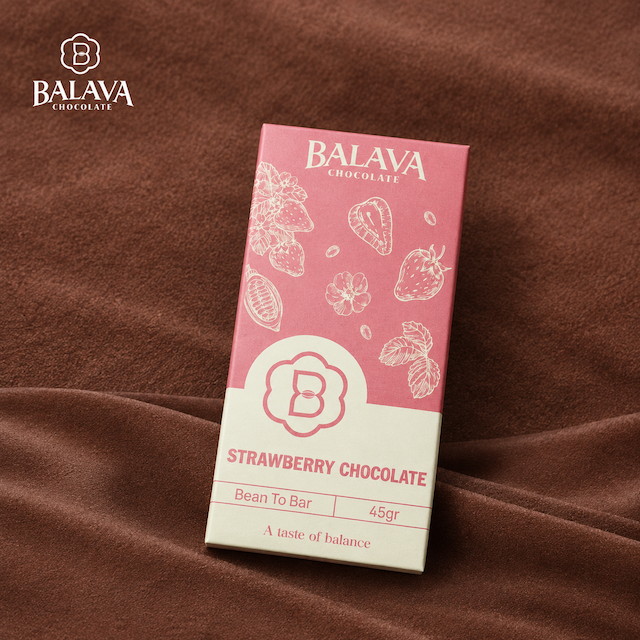
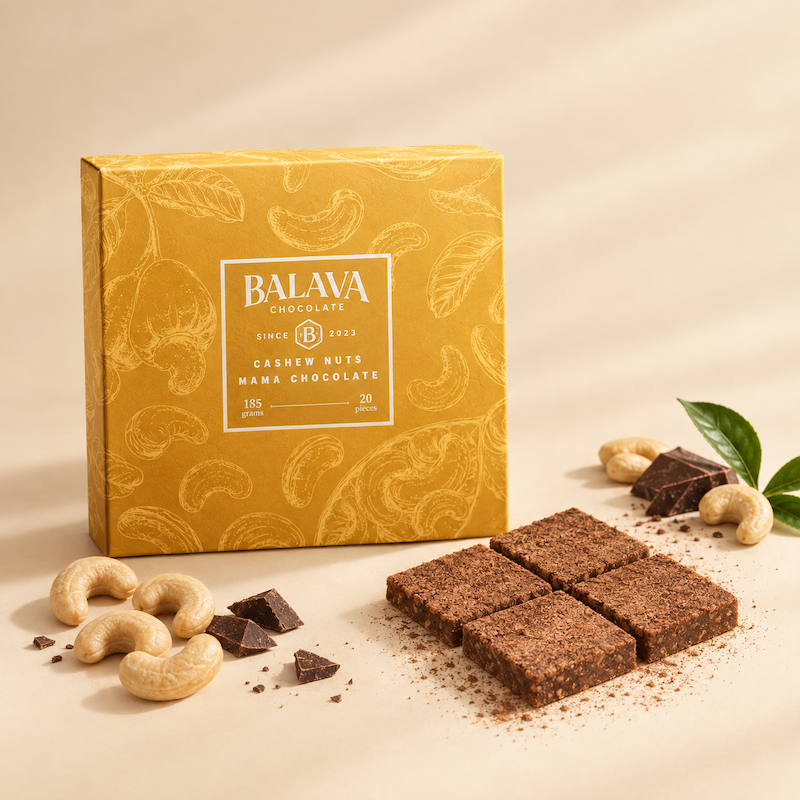
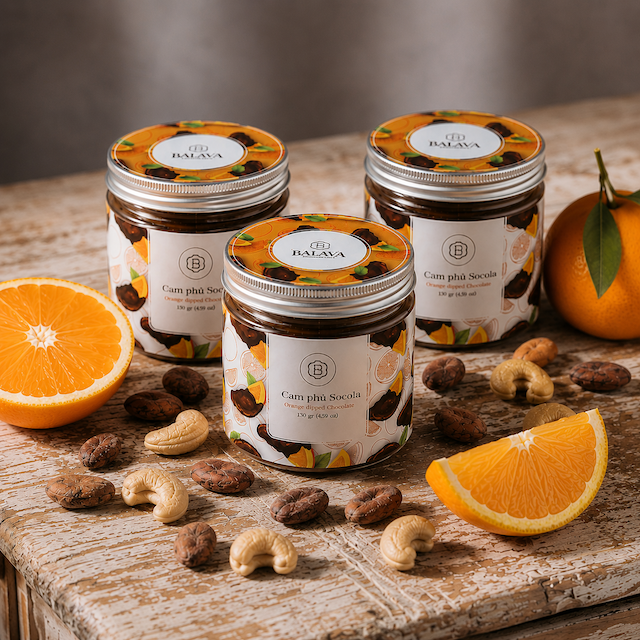
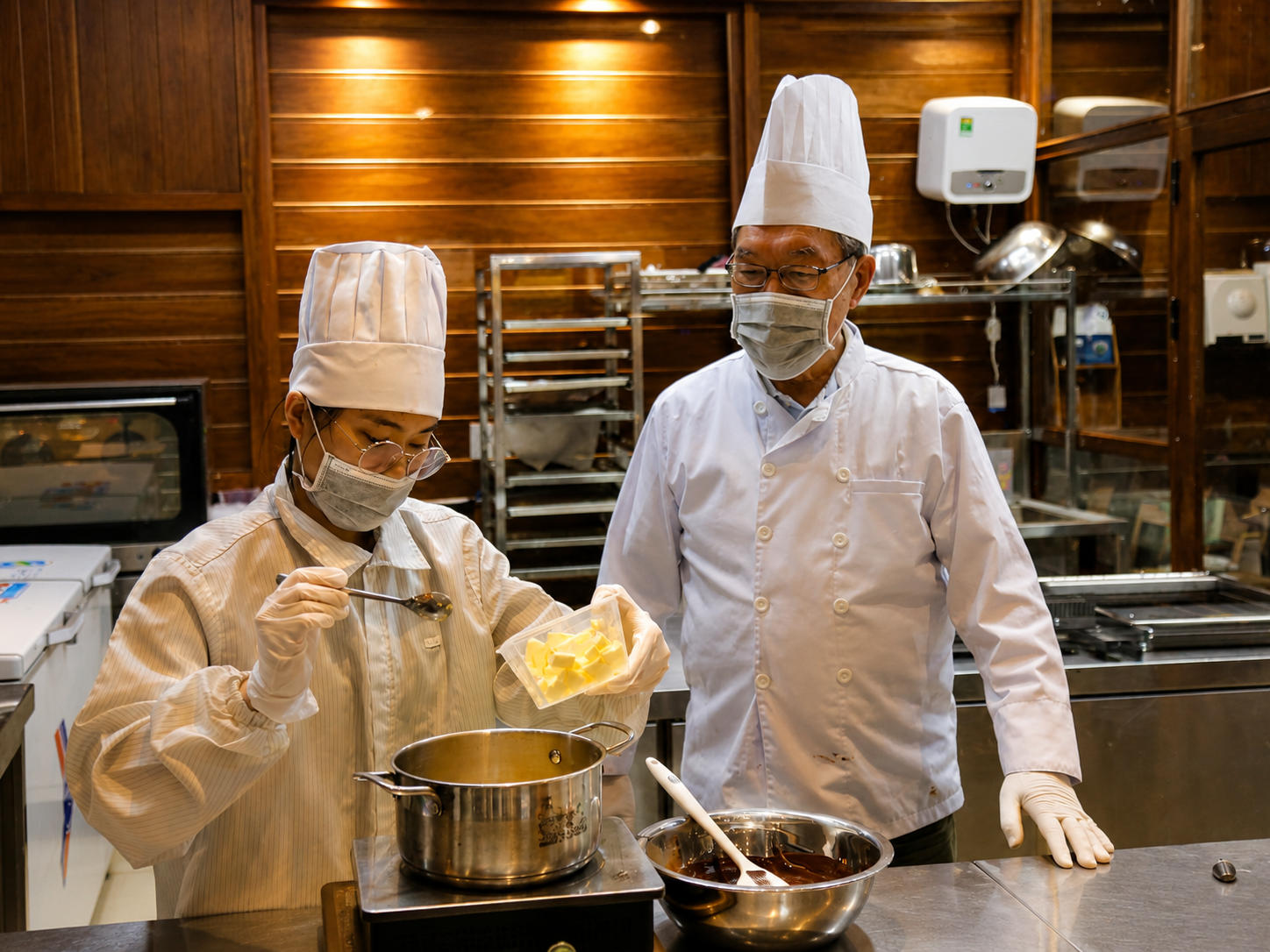
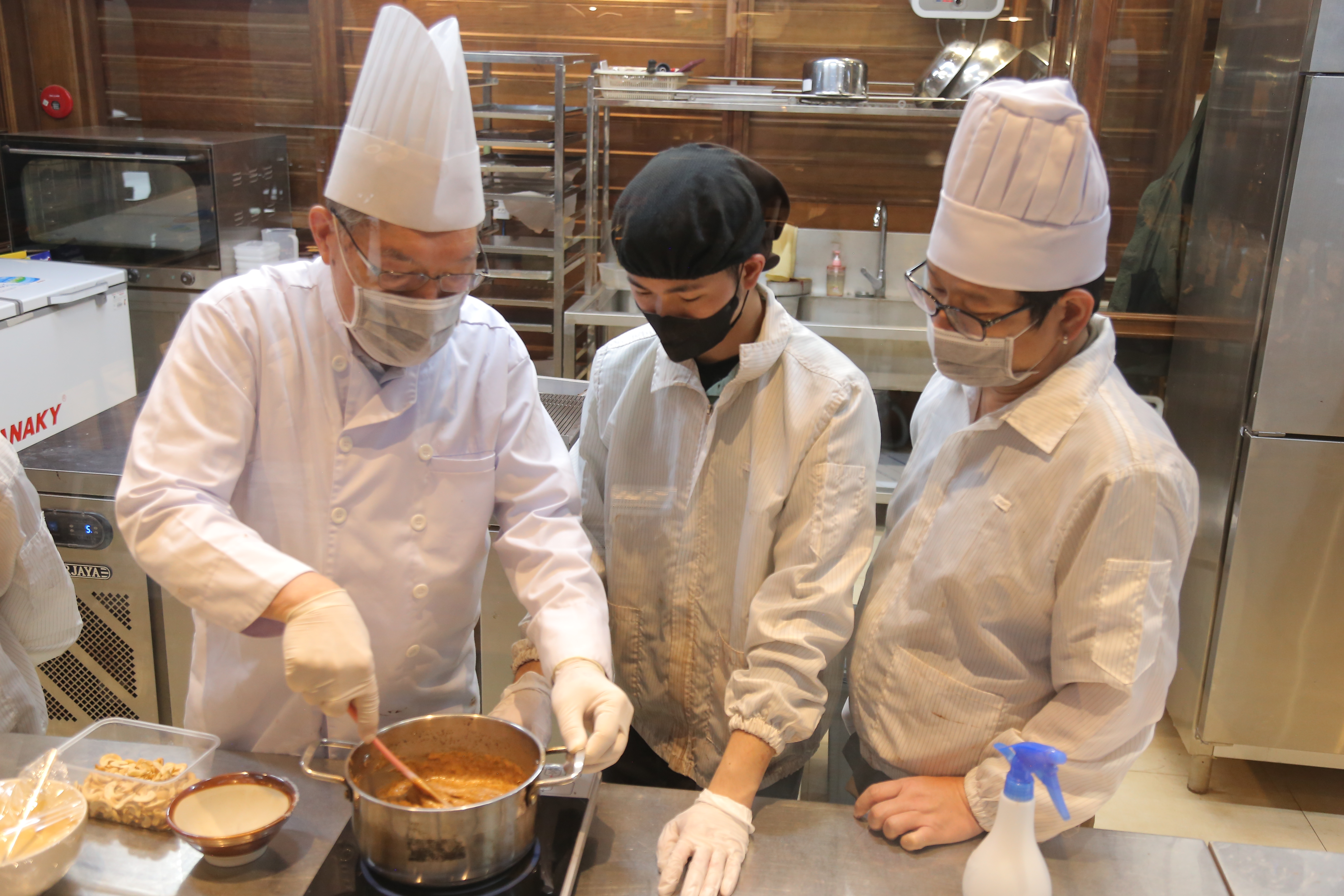
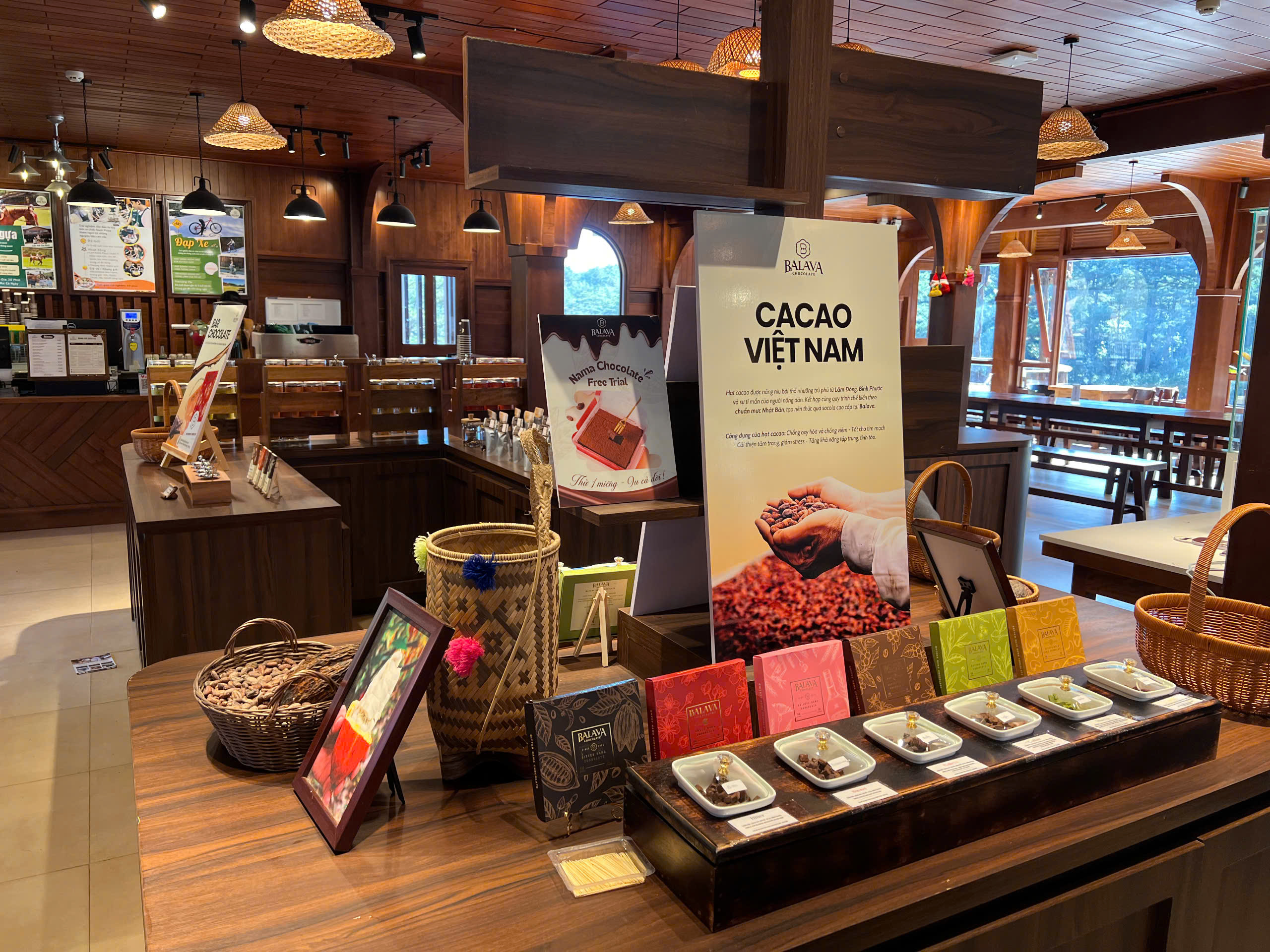
BALAVA works with cacao from Lam Dong and runs the whole chain in Da Lat — fermentation by the Nakano Mame method, hand roasting, stone grinding, pressing and moulding. In the terms of the timeline above, that places it firmly in the last entry: the part of the story still being written.
.jpg)
Talk to BALAVA
Wholesale pricing, private label, samples and export documentation — we answer in English.
Sources. Scientific name and 1753 classification: Carl Linnaeus, Species Plantarum. Olmec-era cacao residue, Maya and Aztec use, and the European introduction follow the standard archaeological and historical record. Industrial milestones (1847 solid bar; 1875 milk chocolate; 1879 conching) are as generally documented in chocolate manufacturing history. Fine or flavour cocoa classification and the 80% figure for Vietnam: International Cocoa Organization, Annex C of the International Cocoa Agreement, April 2024 revision. Historical figures and firms are named for historical accuracy only.
Other review products