
Few foods have been put to work by cinema as often as chocolate. On screen it is almost never simply something to eat — it stands for appetite, for transgression, and for a somewhat mysterious system behind a closed door. Here are the films worth watching, and what each is actually about.
The Wonka trilogy
It all begins with Roald Dahl’s novel Charlie and the Chocolate Factory, published in 1964. Its inspiration was real and very specific.
While Dahl was at Repton School in Derbyshire around the 1920s, Cadbury would send test packages of new products to the pupils in exchange for their opinions. In the same period Cadbury and Rowntree — then England’s two dominant chocolate manufacturers — were known for planting spies in one another’s factories to steal trade secrets. That detail produced Slugworth, the recipe thief of the novel.
Willy Wonka & the Chocolate Factory
1971 · Directed by Mel Stuart
The first adaptation, and the one Dahl himself disowned over creative disagreements. The irony is that it became the version lodged most firmly in collective memory, largely on the strength of Gene Wilder’s Wonka.
Charlie and the Chocolate Factory
2005 · Directed by Tim Burton
A remake closer to the source text, carrying Burton’s visual signature. Well received critically and commercially.
Wonka
2023 · Directed by Paul King
An origin story covering Wonka’s early years. Budget of USD 125 million against USD 634.5 million worldwide. Nominated for the BAFTA Award for Outstanding British Film; Timothée Chalamet received a Golden Globe nomination for the lead.
The notable thing across all three: the chocolate factory is always staged as a place no one is allowed into. Secrecy is the story’s working material. That says a good deal about how the industrial chocolate business presented itself through the twentieth century.
.jpg)
Chocolat — the most decorated of them
Chocolat
2000 · Directed by Lasse Hallström
Adapted from Joanne Harris’s 1999 novel. Set in the fictional French village of Lansquenet-sous-Tannes during Lent. A woman opens a chocolate shop precisely when the whole village is meant to be abstaining — and the conflict follows from there.
The cast includes Juliette Binoche, Judi Dench, Alfred Molina, Lena Olin, Johnny Depp, Carrie-Anne Moss, John Wood and Leslie Caron.
Five Academy Award nominations: Best Picture, Best Actress (Binoche), Best Supporting Actress (Dench), Best Adapted Screenplay (Robert Nelson Jacobs) and Best Original Score (Rachel Portman). USD 152.7 million worldwide on a USD 25 million budget.
The cast includes Juliette Binoche, Judi Dench, Alfred Molina, Lena Olin, Johnny Depp, Carrie-Anne Moss, John Wood and Leslie Caron.
Five Academy Award nominations: Best Picture, Best Actress (Binoche), Best Supporting Actress (Dench), Best Adapted Screenplay (Robert Nelson Jacobs) and Best Original Score (Rachel Portman). USD 152.7 million worldwide on a USD 25 million budget.
This is the film that understands chocolate best. It does not use it as a fantastical prop but as something concrete: a thing made by hand, for a particular person, by someone who has worked out what they need. The whole engine of the plot is the protagonist correctly guessing who suits which.
And the other side: the documentary
The Dark Side of Chocolate
2010 · Directed by Miki Mistrati · Denmark
An investigative documentary on child labour and trafficking in the West African cocoa supply chain. Ghana and Ivory Coast supply the large majority of the world’s cocoa. Despite an industry commitment to end child labour by 2008, the film documents the practice continuing — children aged 10 to 15 trafficked from Mali onto plantations for minimal or no pay.
This is the uncomfortable but necessary entry on the list. The three Wonka films sell an enchanted idea of the chocolate factory; the documentary shows what happens at the other end of the supply chain. Anyone working in this industry should watch both kinds.
It is also why bean to bar and farm to bar are not marketing terms. They are direct answers to a direct question: do you know where your beans came from and who grew them?
What all these films have in common
Chocolate on screen almost always stands for three things: desire (the thing that cannot be resisted), secrecy (the recipe, the closed door, the outsider kept out) and transformation (someone eats it and changes). Not many foods carry all three at once.
What is interesting is that the craft chocolate sector is now running against the second of those. Workshops are open, processes published, bean origin stated on the label. Secrecy used to be the asset; it is turning into a liability.
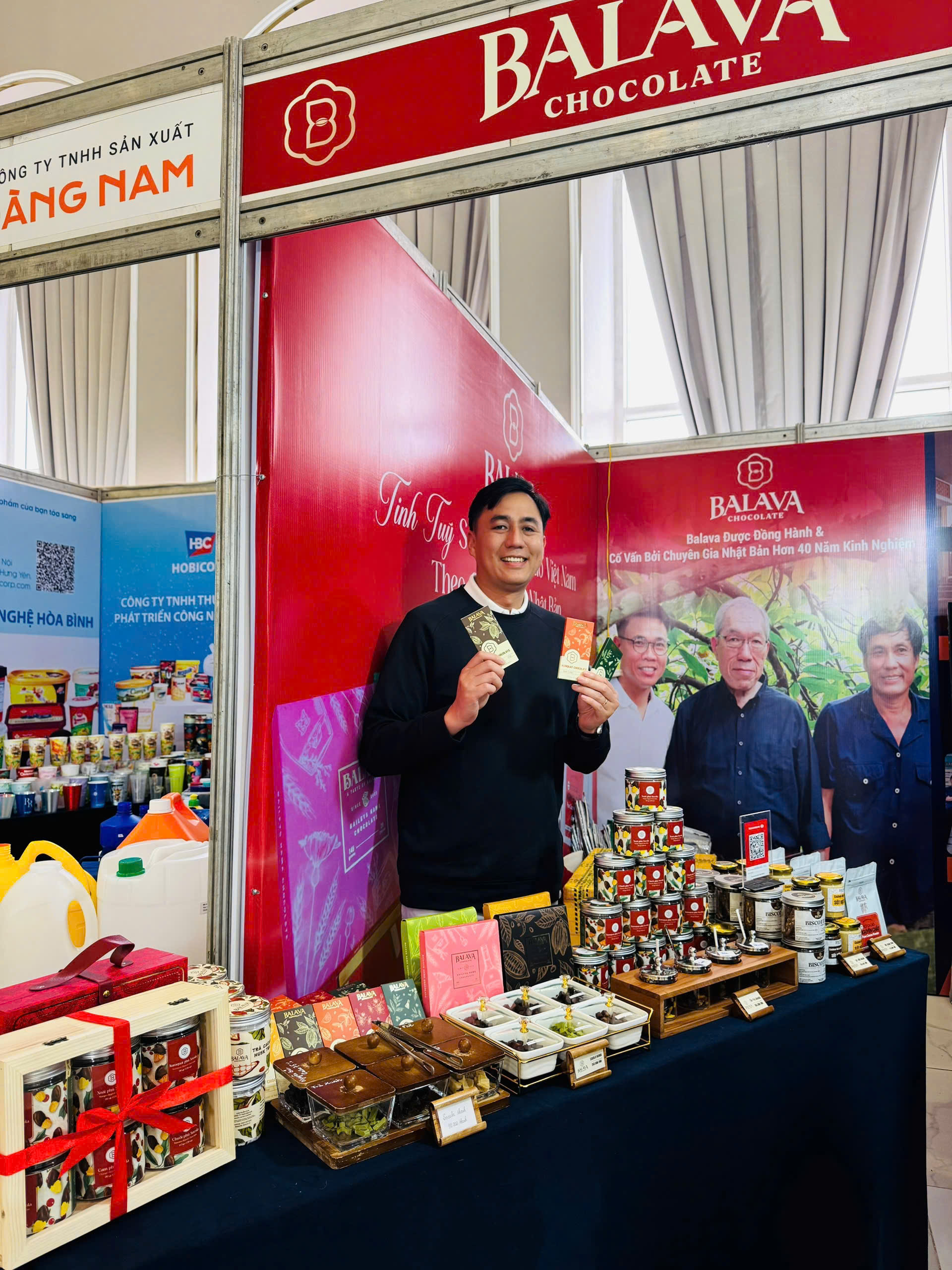
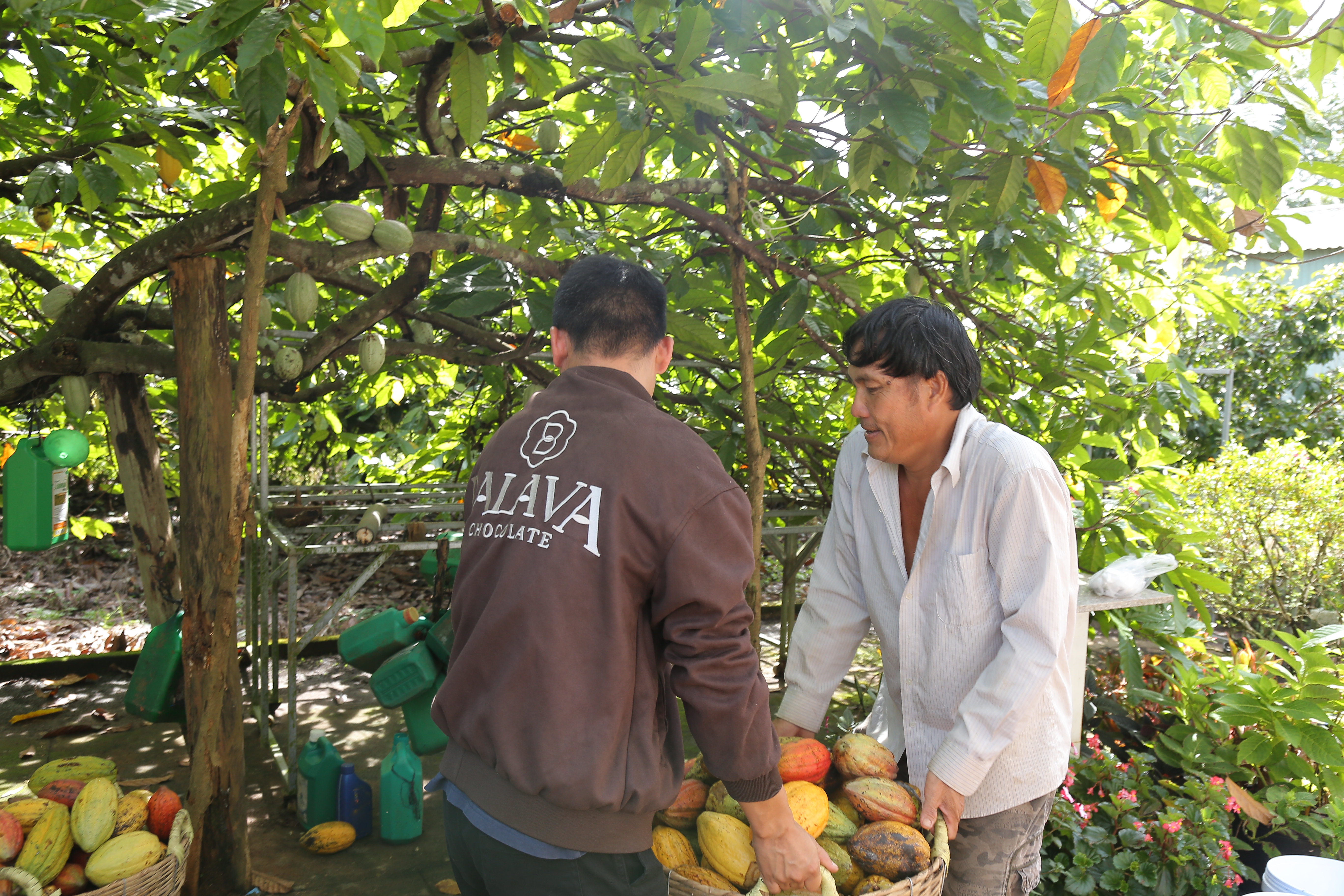
BALAVA makes bean-to-bar chocolate from Lam Dong cacao in Da Lat and runs workshops where visitors work from the bean themselves. It is currently extending control into cultivation, moving towards a farm-to-bar model — the opposite direction, in other words, from Wonka’s factory.
Talk to BALAVA
Wholesale pricing, private label, samples and export documentation — we answer in English.
Sources. Roald Dahl’s background (Repton School, the test packages sent to pupils around the 1920s, and the competitive context between the two dominant British chocolate manufacturers of the period) follows the public record on the novel Charlie and the Chocolate Factory, published 1964. Chocolat (2000): director, cast, five Academy Award nominations, USD 152.7 million worldwide on a USD 25 million budget. Wonka (2023): director Paul King, USD 125 million budget, USD 634.5 million worldwide, BAFTA nomination. The Dark Side of Chocolate (2010): director Miki Mistrati, Denmark. All from public film records. Manufacturer names appear as historical fact in the context of the novel’s composition; this article makes no comparison and no judgement about third-party products.
Other review products