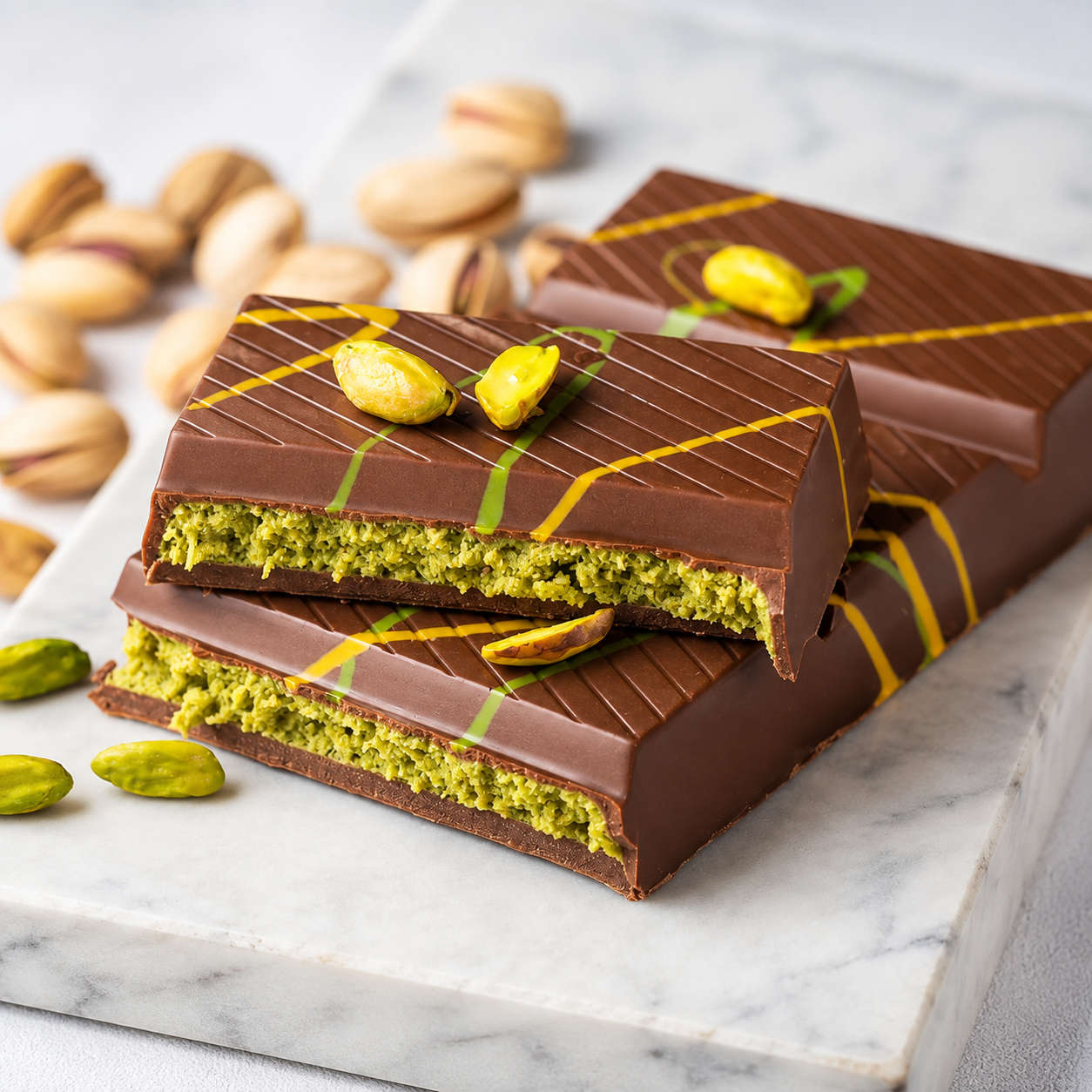
A milk chocolate bar filled with pistachio-tahini cream and crisp kadayif pastry. On paper, not revolutionary. In practice it moved global pistachio prices by roughly 35% and, in Korea, went from a social media moment to a product category of its own. The story is worth reading closely, because it says more about how products spread than about chocolate.
What it is, and where it came from
The product was created in 2021 by Nouel Catis Omamalin and Sarah Hamouda, and released commercially in 2022 by Fix Dessert Chocolatier in Dubai under the name “Can’t Get Knafeh of It”.
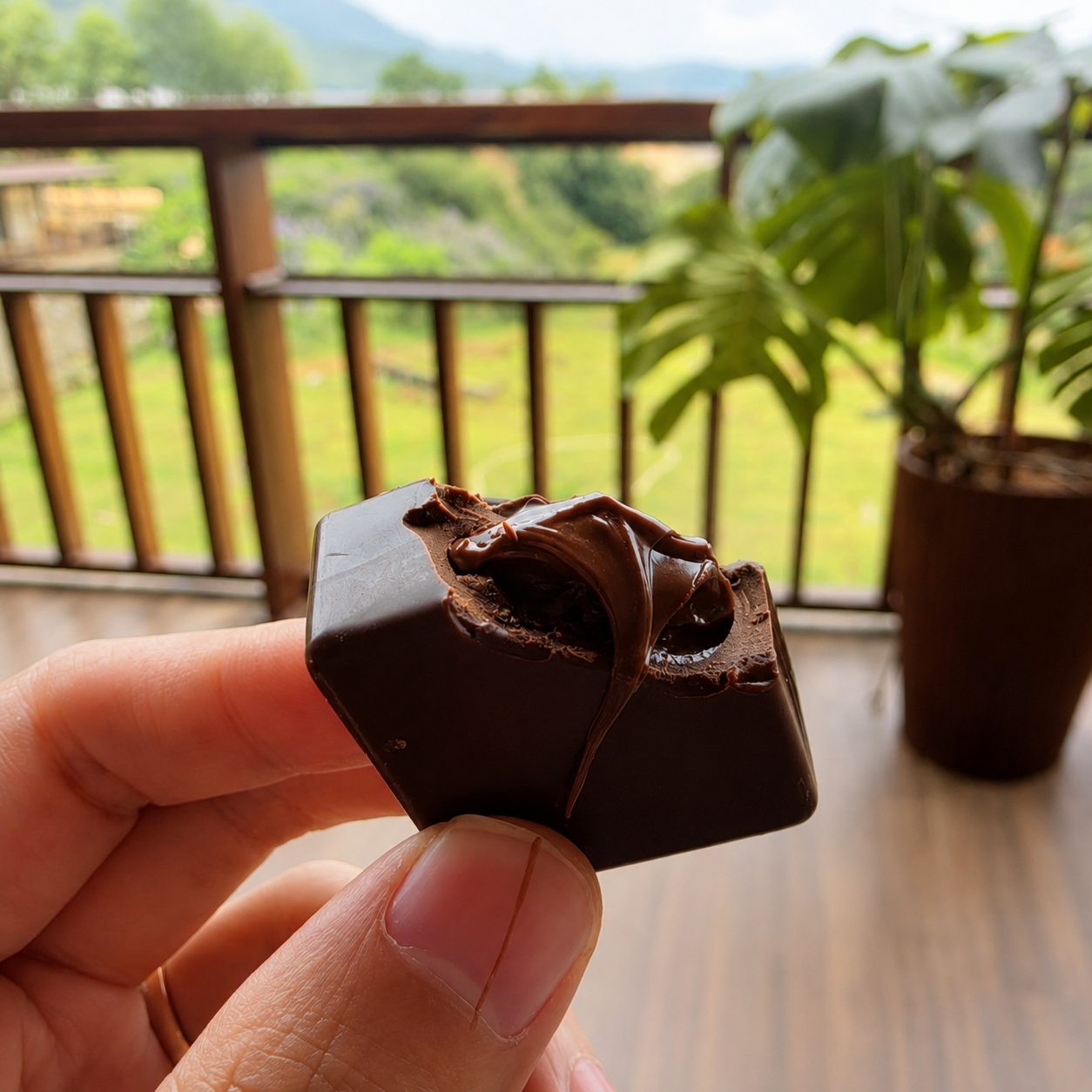
The construction: a milk chocolate shell, filled with pistachio cream blended with tahini, through which runs toasted kadayif — the fine shredded pastry used in Middle Eastern knafeh. The point of the whole thing is textural contrast: a snap, then something rich and smooth, then something that crackles.
Early output was tiny: roughly 25 bars a day, taking six to eight hours to produce. The initial price was around £16 a bar. That scarcity later became part of the phenomenon rather than a limitation on it.
Why it spread
The product broke out during 2024 on TikTok. Four factors compounded, and not one of them has anything to do with cacao quality.
| Factor | Why it worked |
|---|---|
| A coloured cross-section | Snap the bar and bright pistachio green appears against brown. That image was made for vertical video, not for a display case. |
| Sound | The kadayif produces an audible crunch. Food content on video platforms lives on audio far more than people assume. |
| Genuine scarcity | No international shipping, no wide distribution. Viewers could not buy it, so they made their own — and every attempt was another video. |
| Reproducible at home | The ingredients are not exotic. The watch–attempt–post loop fed itself. |
The real consequence: the pistachio market
~35%rise in pistachio kernel price, from about €6.65 to €8.96 per pound (2024 to 2025)
+40%Iranian pistachio exports to the UAE in the six months to March 2025
−20%US pistachio supply in the twelve months to February 2025
A confectionery product bent the supply chain of an agricultural commodity. That is rare, and it indicates the true scale of the phenomenon rather better than view counts do.
The predictable downside. Fraudulent websites impersonating the originating shop appeared, targeting international buyers. The originator has had to state publicly that it does not ship internationally or sell at retail outside the region. When a product is scarce and famous simultaneously, this follows almost automatically.
Why Korea in particular
In Korea the product spread through social media from the summer of 2024. In the early phase, with recipes and ingredients hard to source, it was mostly made by individual pâtissiers. It then expanded into convenience stores and franchise chains.
What is notable is that it did not burn out the way most trends do. By 2025, “Dubai” had become a category rather than a product: cookies, cakes and tarts all acquired Dubai versions. In trade terms, the move from one item to a category is the line between a fad and a shift in taste.
The cultural groundwork was already laid. Korean consumers are long familiar with products tied to a specific place — Jeju tangerine chocolate has been a fixture for years. A product named after a city needs no explaining.
What can be learned from it — and what cannot
This is the part that gets misread. The phenomenon is not a breakthrough in cacao. The milk chocolate shell is a container; the value sits in the filling, the texture and the format.
That is not a criticism. It makes a precise point: innovation in chocolate can come from the finishing rather than the raw material. A craft maker reading this story should take three things from it.
| Lesson | What it means in practice |
|---|---|
| Texture sells like flavour does | Most craft chocolate effort goes into flavour. Textural contrast is a far less worked seam. |
| The cross-section is a design decision | The product is seen first on a screen. What it looks like when broken open is a development-stage question, not an afterthought. |
| Categories outlast products | A bestselling item goes out of fashion. A category does not. Which is an argument for thinking in ranges from the start. |
What the phenomenon does not answer is the material question: where the beans came from, how they were fermented, what the cacao content is. That is where craft chocolate competes, and the two games do not substitute for each other.
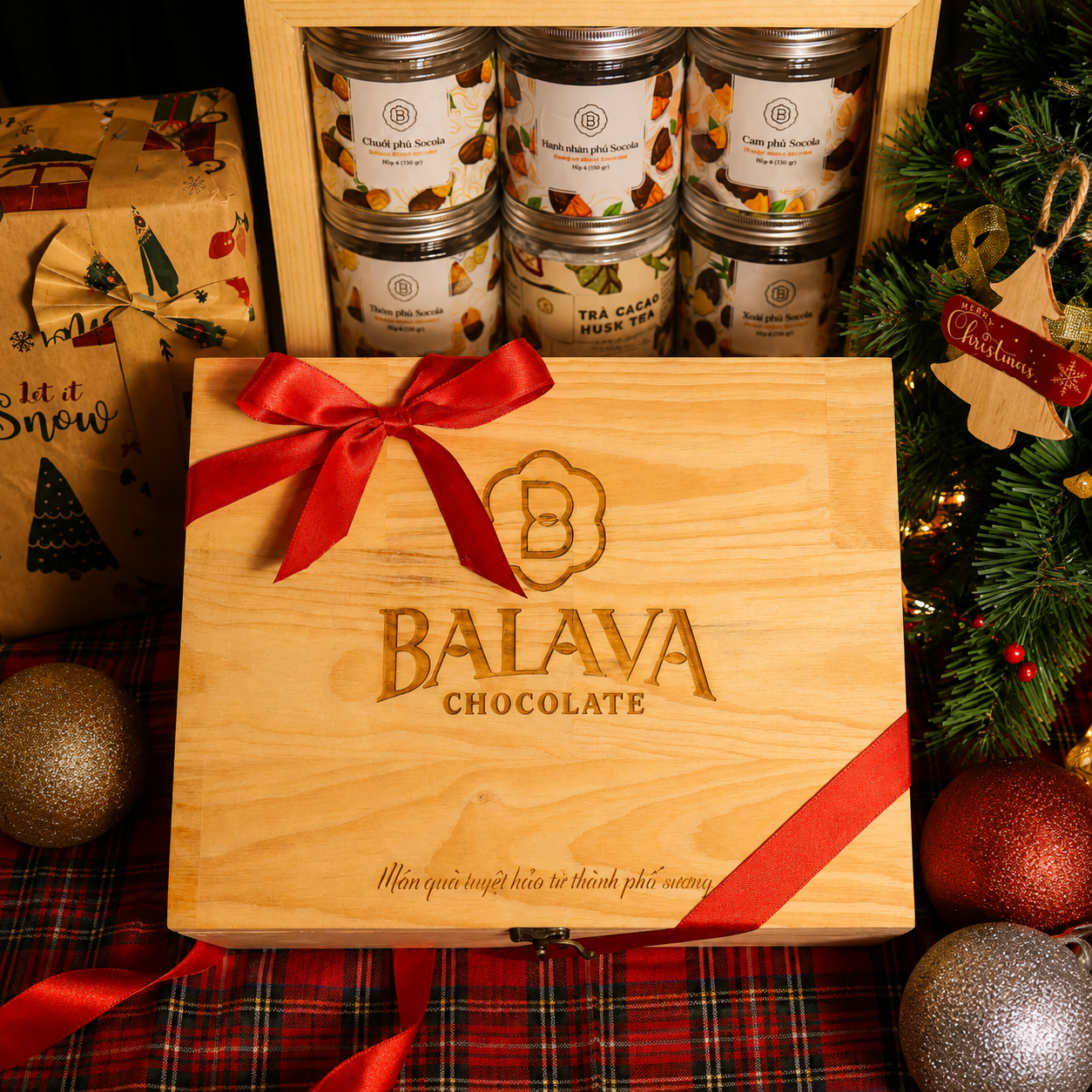
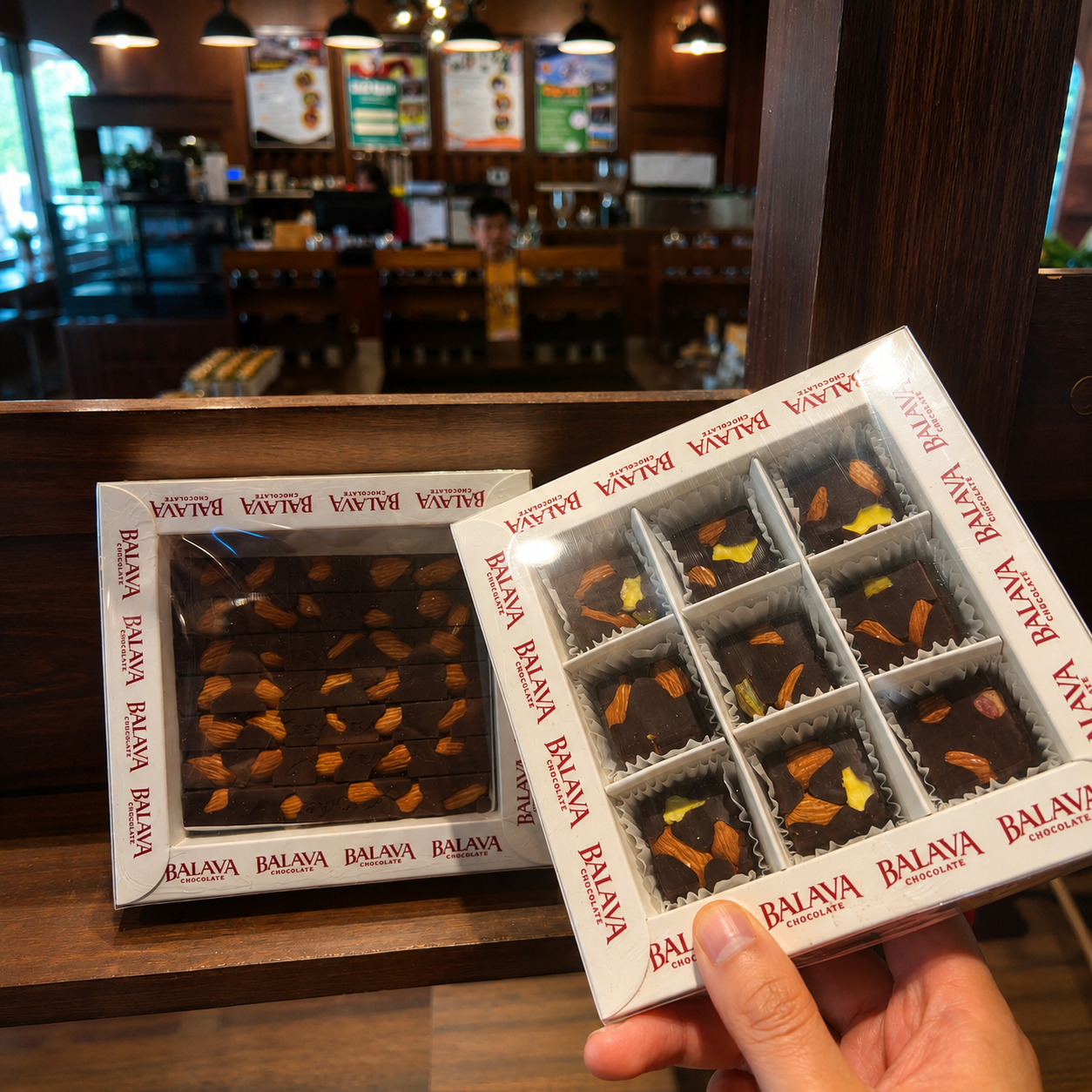
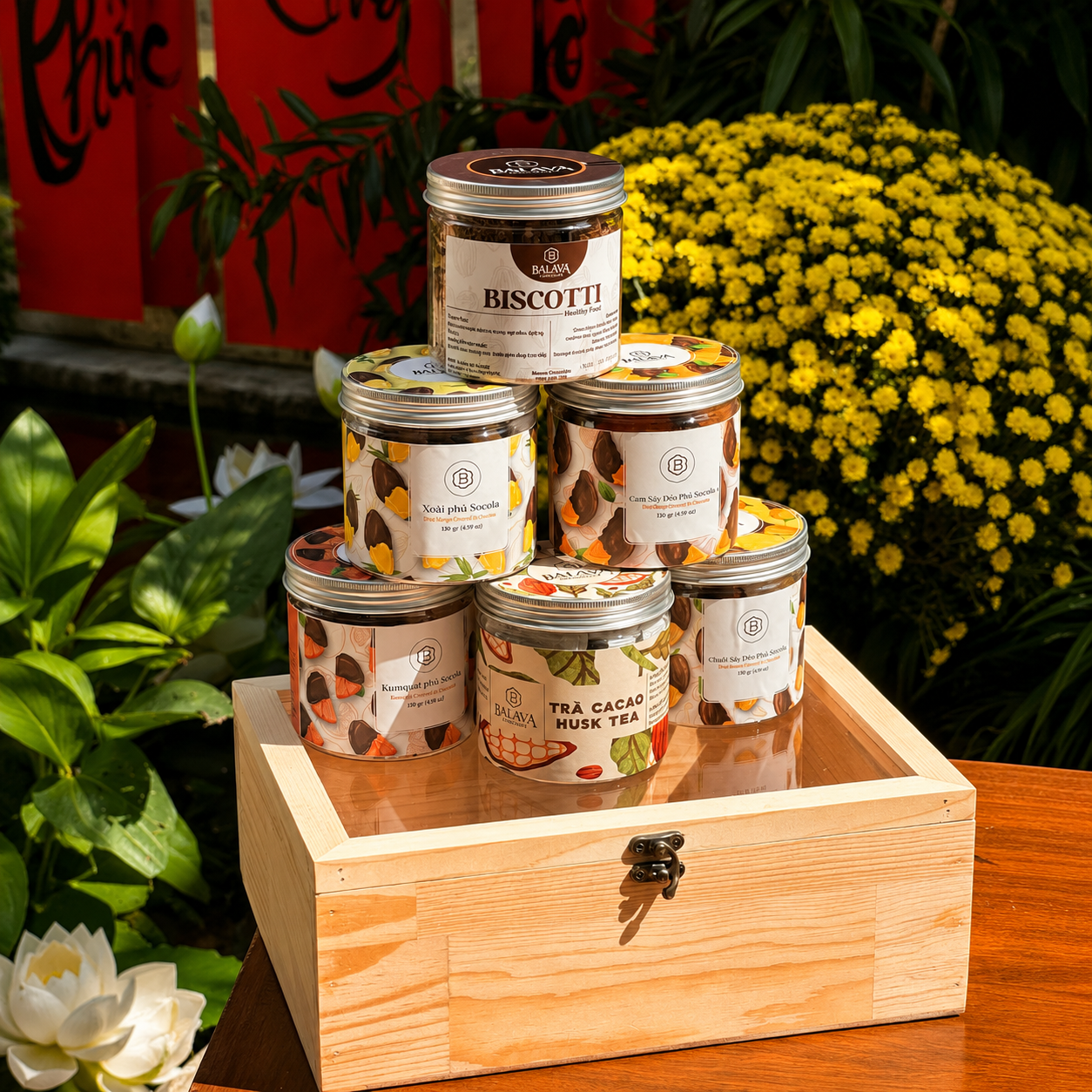
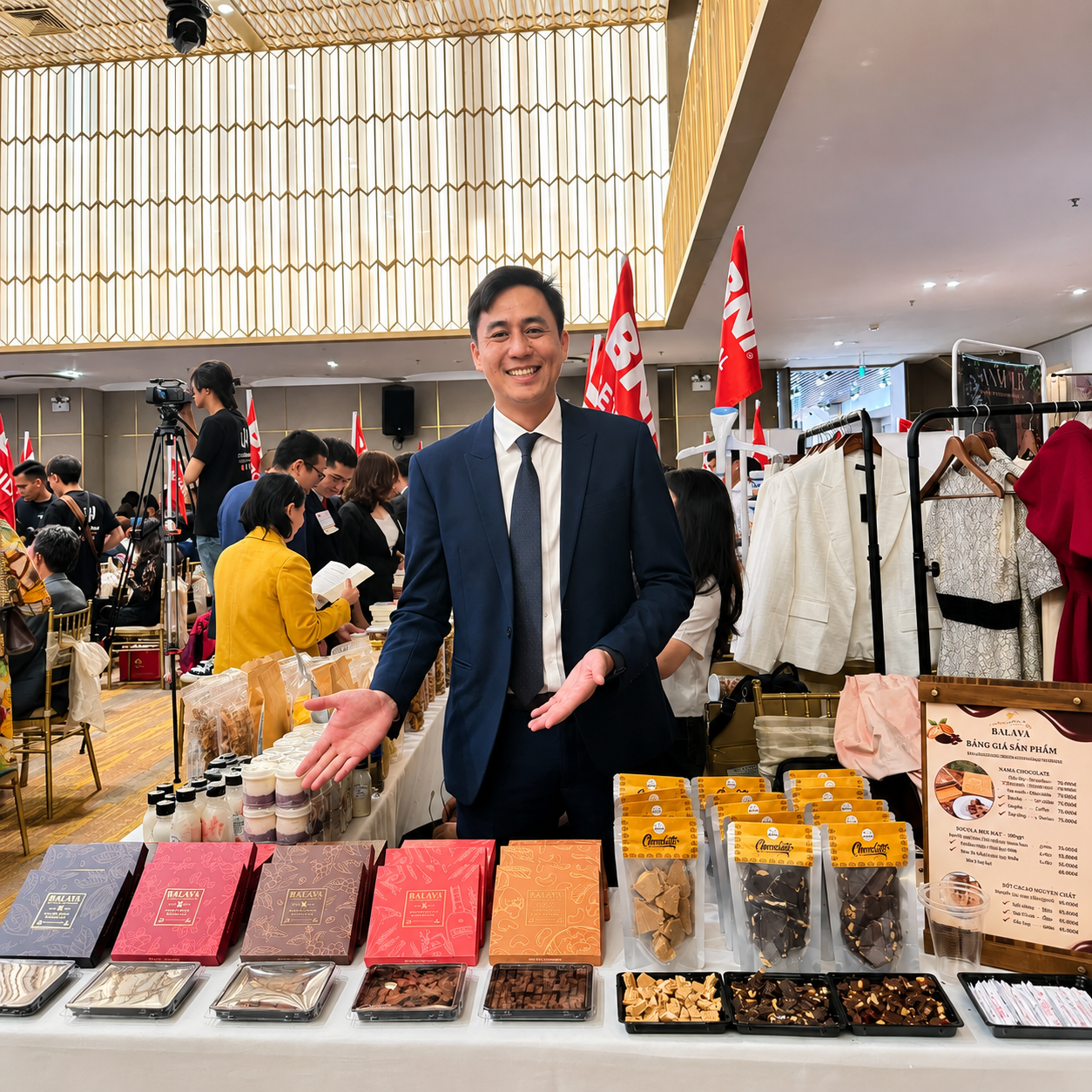
BALAVA makes bean-to-bar chocolate from Lam Dong cacao in Da Lat, controlling everything from Nakano Mame fermentation through to moulding, and is currently extending that control into cultivation, moving towards a farm-to-bar model. The range covers bars, nama chocolate, non-alkalized cocoa powder at 22–25% cocoa butter, roasted cacao beans and gift sets.
Talk to BALAVA
Wholesale pricing, private label, samples and export documentation — we answer in English.
Sources. Creators, year of creation, original product name and composition: public record on the product, including the open encyclopaedia entry for “Dubai chocolate”. Pistachio price figures, Iranian export volumes and US supply data: FoodNavigator, 22 April 2025. Korean market development: Korean bakery trade press (bakerynews.co.kr). The originating brand is named as a factual matter of provenance for a cultural phenomenon; this article makes no comparison and no quality judgement about any third-party product. BALAVA product specifications are supplied by BALAVA.
Other review products