The fine chocolate world does not run on individual brands competing. It runs on a network of professional bodies that define the vocabulary, set quality criteria, organise evaluation and conserve genetics. Understanding that network is understanding how the industry organises itself.
Fine Chocolate Industry Association
FCIA is a non-profit international professional association for people working in chocolate, focused specifically on the fine chocolate segment. Members span the supply chain: growers, makers, retailers.
Its stated vision is elevating the art and business of fine flavour cacao and fine chocolate, by promoting quality, innovation, ethical sourcing and best practice "from tree to bar, bonbon, and beyond". The mission is deliberately narrow: support members' businesses through communication, networking and education. Three things, no more.
.jpg)
How FCIA Defines "Fine Chocolate"
This is the methodologically interesting part. Rather than a single numeric threshold such as a minimum cocoa percentage, FCIA defines fine chocolate across four parallel dimensions:
Sensory
Complex flavours tied to specific bean origins, with smooth texture.
Visual
Deliberately designed and cleanly finished product.
Processing
Artisan methods, minimal intervention in the raw material.
Sourcing
Ethical practice, quality beans, often single origin and bought direct from growers.
The multi-dimensional approach acknowledges something real: chocolate quality does not reduce to one number. A bar with very high cocoa content can still be poor if the beans were badly fermented, or if the supply chain has labour problems.
Five Stated Values
FCIA publishes five values: ethical and environmental sourcing — including supply chain transparency, eliminating labour exploitation, fair payment to growers and protecting tropical ecosystems; embracing innovation; fostering collaboration and education, creating platforms for peer knowledge sharing; sharing the fine chocolate message; and respecting diverse opinions.
Membership Structure — the Most Instructive Part
What stands out at FCIA is not the fee level but how membership is segmented. There is no single flat tier; membership is divided by role in the chain and by scale of operation:
| Group | Who | How it is tiered |
|---|---|---|
| Business | Chocolate makers, retailers, suppliers | Six tiers by revenue, from small operations to large; registered headcount rises with tier |
| Growers | Farmers and cooperatives in cacao-producing countries | A dedicated tier at the lowest contribution level in the whole system |
| Academic | Researchers and students | A dedicated tier, requiring annual proof of enrolment or employment |
| Individual | Enthusiasts, not trading | A single individual tier |
Two details in that structure are worth thinking about. First, larger businesses contribute more than smaller ones — those who benefit most from the network carry most of the cost of sustaining it. Second, growers in producing countries sit at the lowest contribution level, below even the non-trading individual tier. That is a deliberate design choice, intended to bring producers to the same table as buyers rather than leave them outside the information network.
The Wider Ecosystem
International Cocoa Organization (ICCO)
Intergovernmental body bringing together producing and consuming countries. Maintains the list of countries exporting fine or flavour cocoa, on which Vietnam sits at 80%. The heaviest policy weight of any body here.
Cacao of Excellence
Quality and flavour evaluation programme running since 2008. Built the assessment guide, flavour wheel and glossary that now serve as the international sensory reference.
International Chocolate Awards
Founded 2012, the world's largest chocolate product competition. Judges bean-to-bar and craft chocolatier categories separately, combining blind tasting with statistical analysis to reduce individual subjectivity.
Heirloom Cacao Preservation
An FCIA partnership with the US agricultural research service since 2012, working to conserve rapidly declining fine Theobroma cacao trees while supporting growers in maintaining genetic diversity.
Alongside these sits ISO 34101, the four-part international standard for sustainable and traceable cocoa published in 2019. Unlike the associations above, this one carries third-party certification.
Korea and Vietnam by Comparison
Korea has two bodies with distinct functions. The Korean Chocolate Association began in 2001 as a cacao research society and only converted into a full industry association in December 2025 — a 25-year path. Its leadership is drawn from food science academia and corporate R&D, making it a research-led model. Separately, the Korea Chocolatier Association runs vocational certification: a three-level chocolatier qualification and a chocolate sommelier track, with more than twenty partner sites nationwide and credits recognised within the school system.
Vietnam has the Vietnam Coffee–Cocoa Association, a non-profit professional body whose functions include technical advice to farmers, product quality standards and trade promotion. But it is a combined association in which coffee dominates by scale. Vietnam has no dedicated body for cacao and chocolate.
Four things worth learning
Define quality multi-dimensionally. Four dimensions describe quality more completely than any single figure. Producers building a product dossier can borrow the framework directly instead of talking only about cocoa percentage.
Lower the barrier for growers. Placing producers at the lowest contribution level is a concrete way to bring them into an international network. The principle: raising quality across a chain requires the weakest link to have access to information.
Build a shared glossary. FCIA maintains a public trade glossary; Cacao of Excellence has its own alongside the flavour wheel. Vietnam's cacao sector has no equivalent in Vietnamese — a real gap, and a position still open.
Connect rather than stand alone. FCIA maintains relationships with dozens of fairs, competitions and institutes. No body tries to do everything; each holds one function and recognises the others.
BALAVA and TGROUP
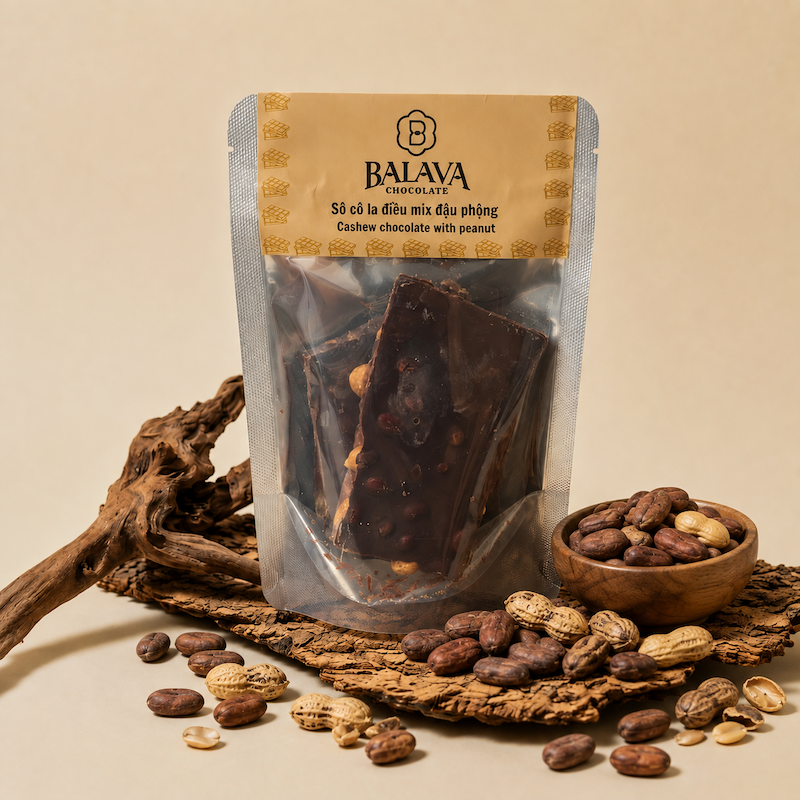
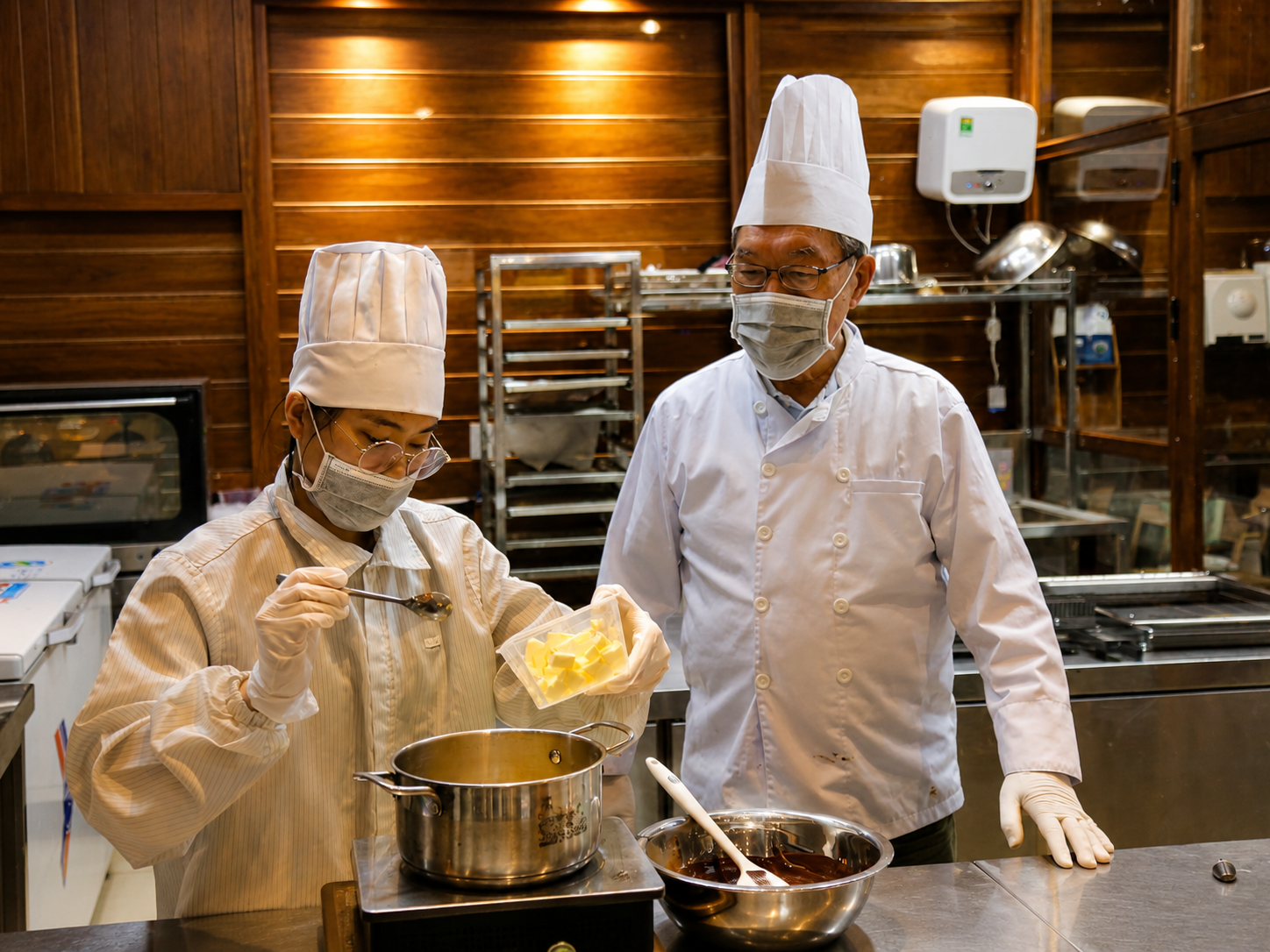
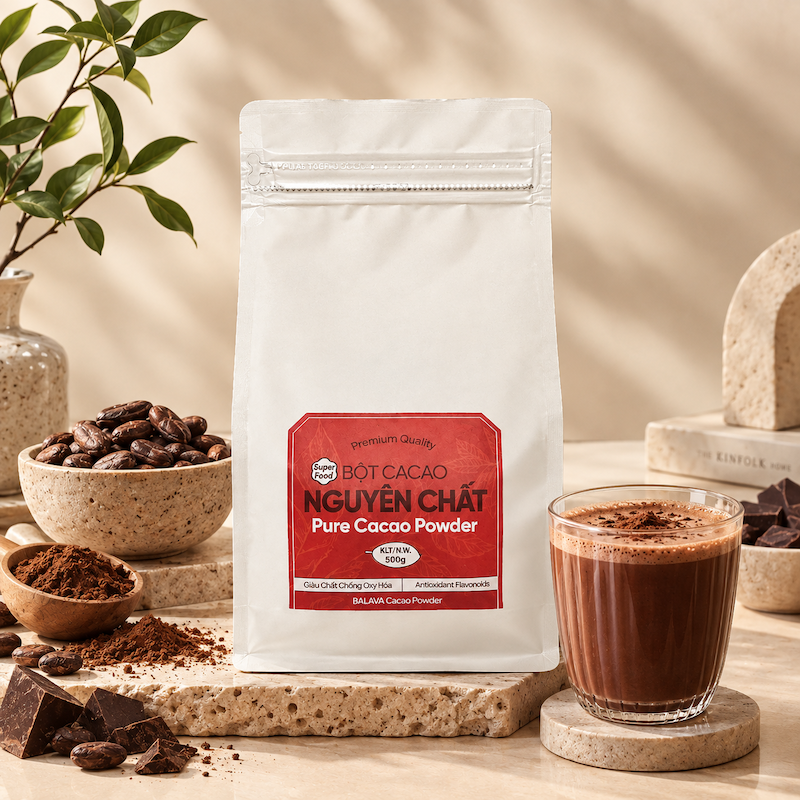
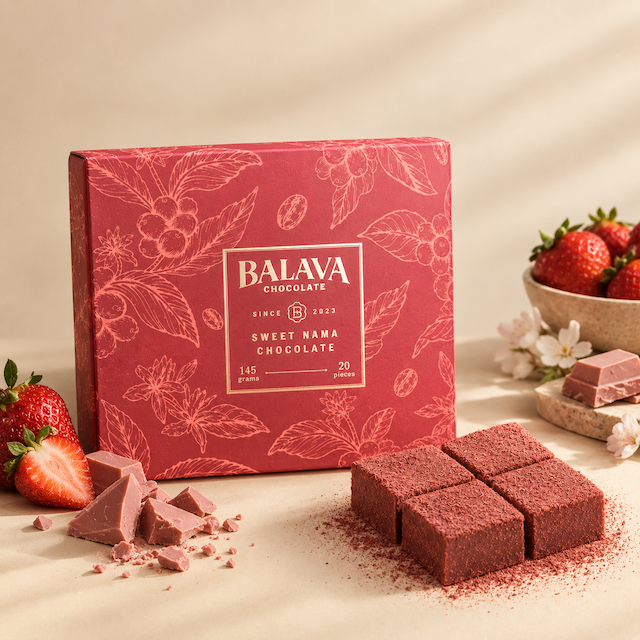
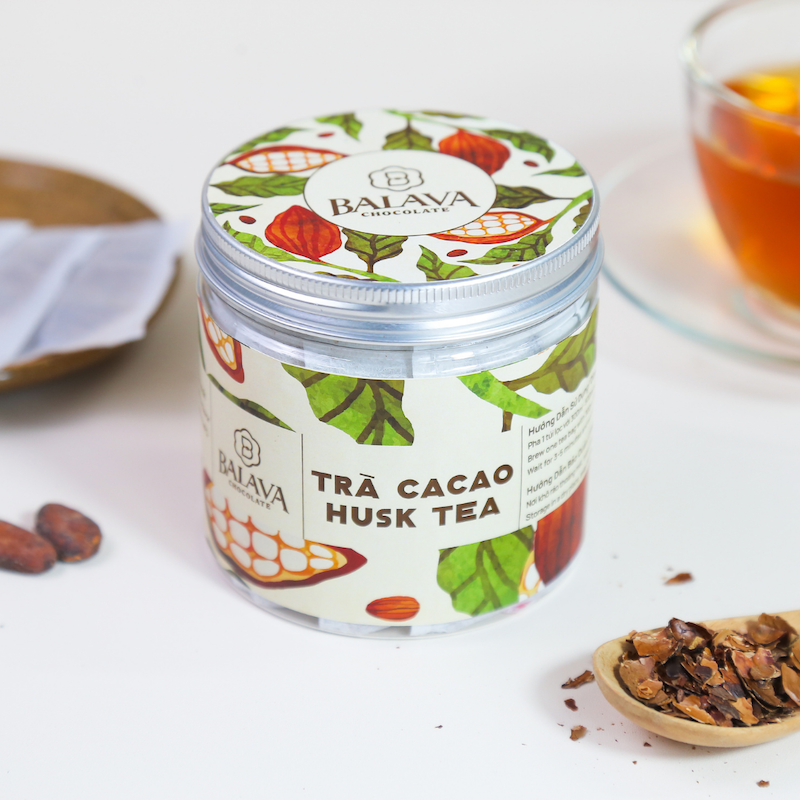
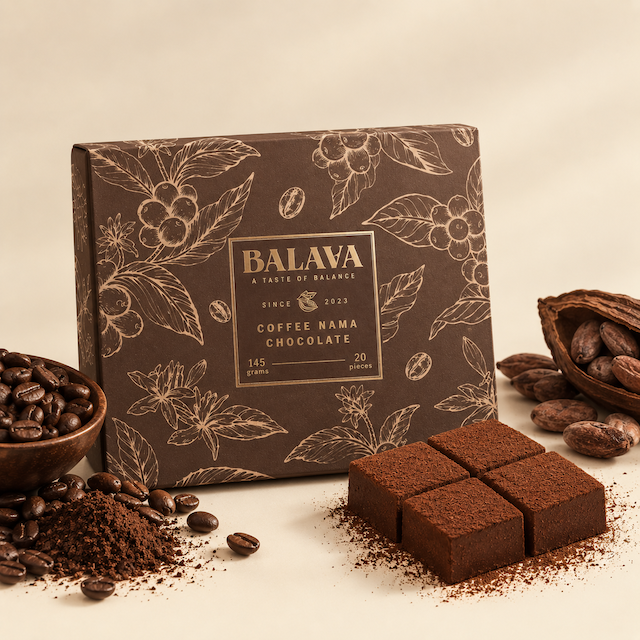
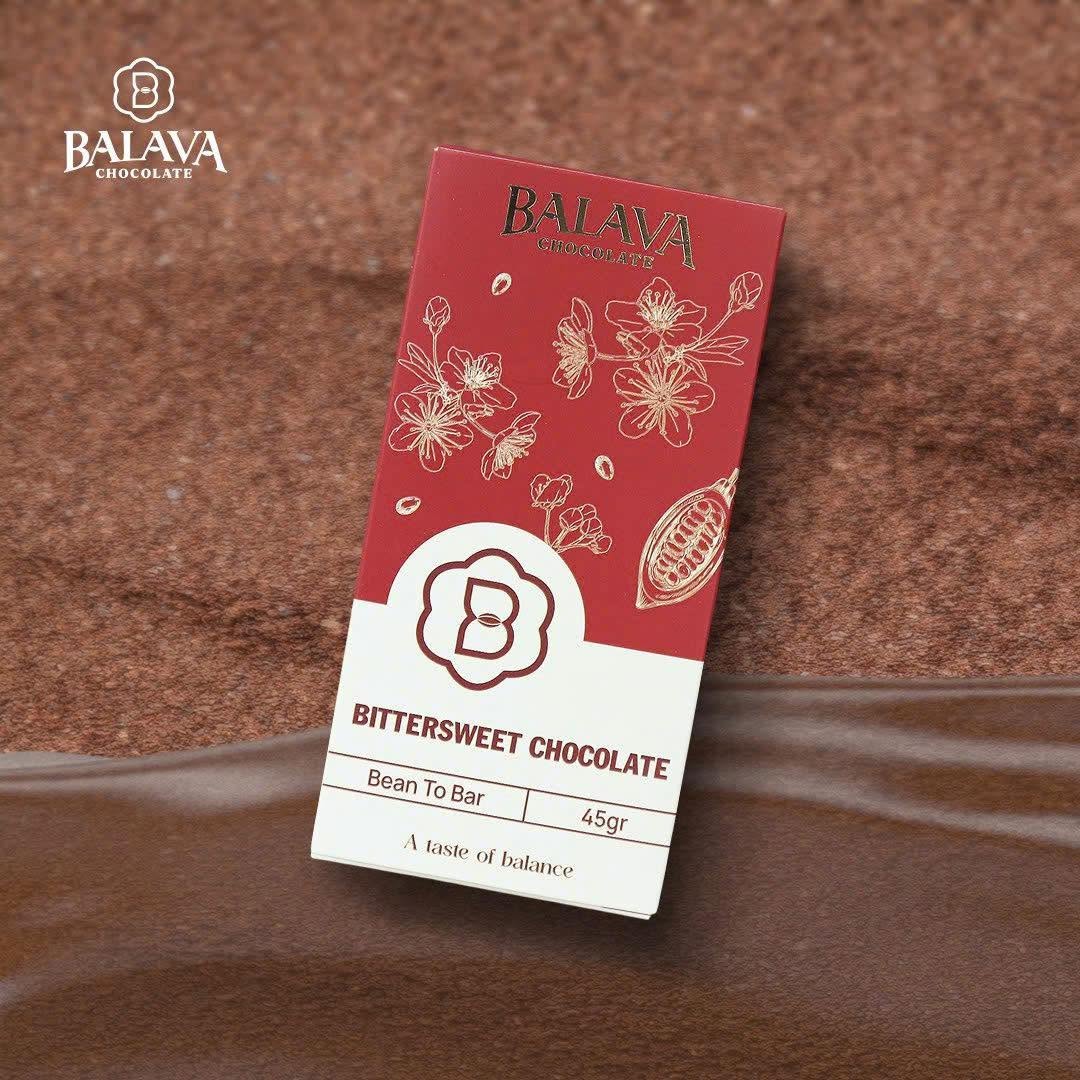
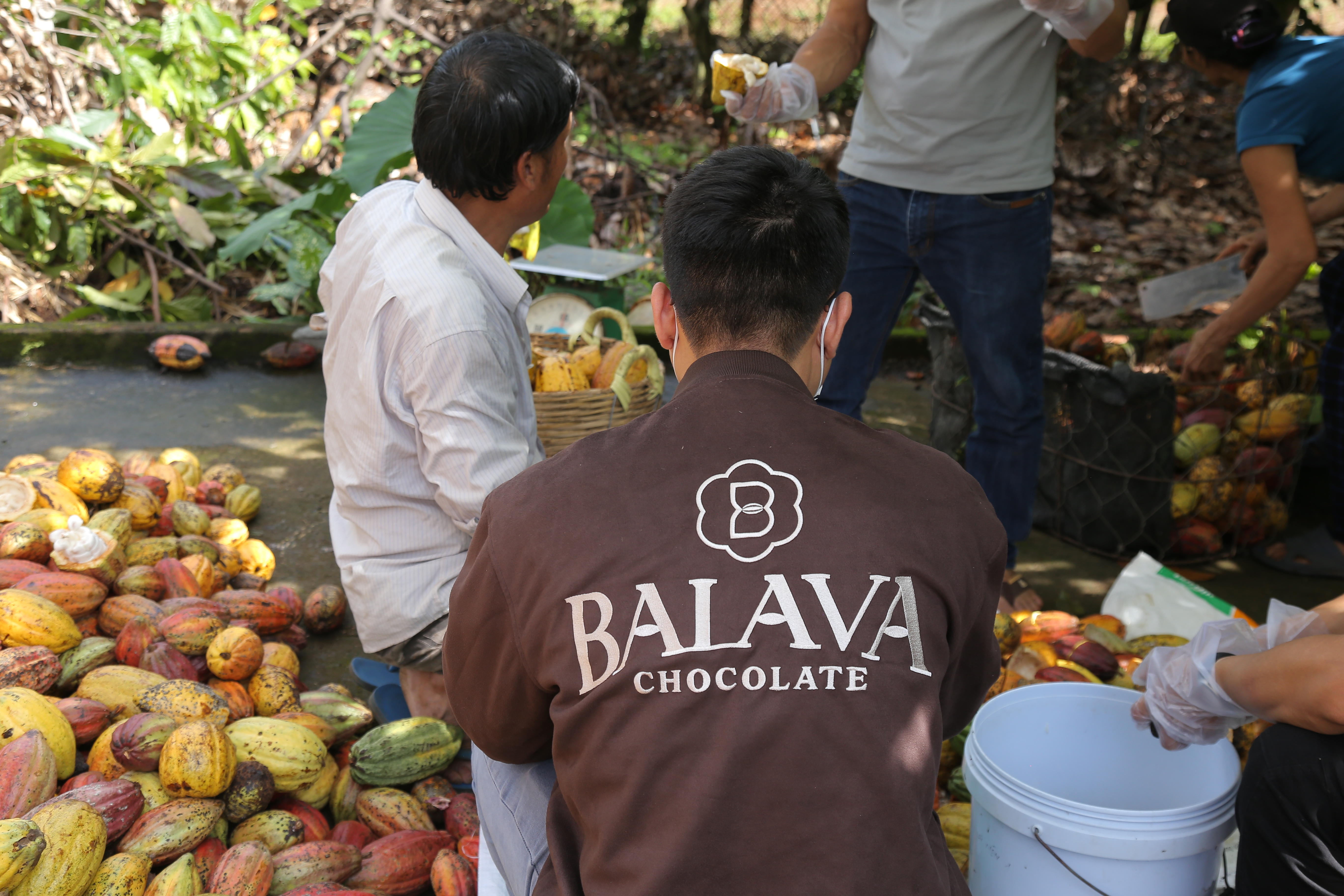
BALAVA uses cacao from Lam Dong, Vietnam, controls fermentation via the Nakano Mame method and runs the full processing chain in its own workshop in Da Lat. Cocoa powder is non-alkalized with 22–25% cocoa butter. Vietnam's place on the ICCO fine or flavour listing at 80% provides the national foundation for domestic producers to engage more deeply with the networks described above.
Sources: mission, vision, values, the four-dimension definition and membership structure are from FCIA's published information. International Chocolate Awards details are from that organisation's own introduction. Vietnam's fine or flavour share is published by the ICCO, per the Annex C listing revised April 2024. Korean Chocolate Association details are from Korean food industry trade press; Korea Chocolatier Association details from that body's own site. Vietnam Coffee–Cocoa Association functions are from its published charter material. The four lessons are TGROUP's assessment, not the position of any organisation named.
Wholesale, Export & Corporate Gifting
TGROUP is BALAVA's distribution partner. Contact us for pricing, product specifications and export documentation.
Other review products