Korea does not grow a single cacao tree. It is nonetheless one of the most chocolate-dense gifting cultures in Asia, with several peak seasons in a year rather than one. Anyone selling chocolate into Korea, or to Korean travellers, is better off understanding that rhythm than guessing at it.
USD 714.82MKorean chocolate market, 2025 (Mordor Intelligence)
2.56%forecast CAGR, 2025–2030
Zerodomestic cacao production
Three dates, one month apart
In Vietnam, gift chocolate is concentrated almost entirely on 14 February. Korea built a chain of linked dates instead, each with its own role and its own direction of giving — and the direction is reversed relative to Western practice.
| Date | What happens |
|---|---|
| 14 February — Valentine’s Day | Women give chocolate to men, not the other way round. This is the single largest chocolate gifting peak of the Korean year. |
| 14 March — White Day | Men reciprocate, usually with candy and sweets. The return gift is conventionally of higher value than the one received. |
| 14 April — Black Day | For those who received nothing on either previous date. Not a chocolate occasion itself, but part of the same cultural system. |
COMMON MISCONCEPTION
A lot of people selling into Korea assume the November suneung university entrance examination is a strong chocolate season. It is not. The traditional gift for exam candidates is yeot (malt taffy) and glutinous rice cakes, because they are sticky — the Korean verb 봝다 (butda, to stick) also means to pass an exam. Slippery foods such as seaweed soup are avoided for the opposite reason. Chocolate has no place in this symbolic system. Pushing chocolate stock at suneung is a misreading of the market.
A small market moving towards quality
Mordor Intelligence puts the Korean chocolate market at approximately USD 714.82 million in 2025, forecast to reach around USD 811.12 million by 2030 — a compound annual growth rate of 2.56%.
That headline growth is modest, and reading only the total misses the more important movement: the composition is changing sharply. Korean consumers are shifting towards higher cacao percentages, better ingredients and fewer artificial additives. Demand for dark, sugar-free, organic and vegan lines is rising alongside health awareness.
In other words the market is not growing much in volume but is growing in unit value — the premium segment expands while the mass segment flattens. That shape favours mid-scale craft producers, who do not have to compete on output but on the story of the material and the process.
Korean buyers already understand regional chocolate
Jeju Island has a chocolate museum, and Jeju tangerine chocolate has been a familiar domestic souvenir for years. This matters more than it looks.
It means Korean buyers do not need the concept of place-specific chocolate explained to them — they have lived with it at home. Present a chocolate made from Lam Dong cacao and processed in Da Lat, and a Korean buyer immediately recognises what category of product this is and why the origin is being named. That is a considerable head start compared with markets where the whole idea has to be introduced first.
What this means in practice
| If you are | Then |
|---|---|
| Exporting to Korea | Plan inventory around February, with a secondary consideration in March. Do not build a suneung campaign. Lead with cacao percentage, origin and additive-free composition — these are the terms the growth segment is actually buying on. |
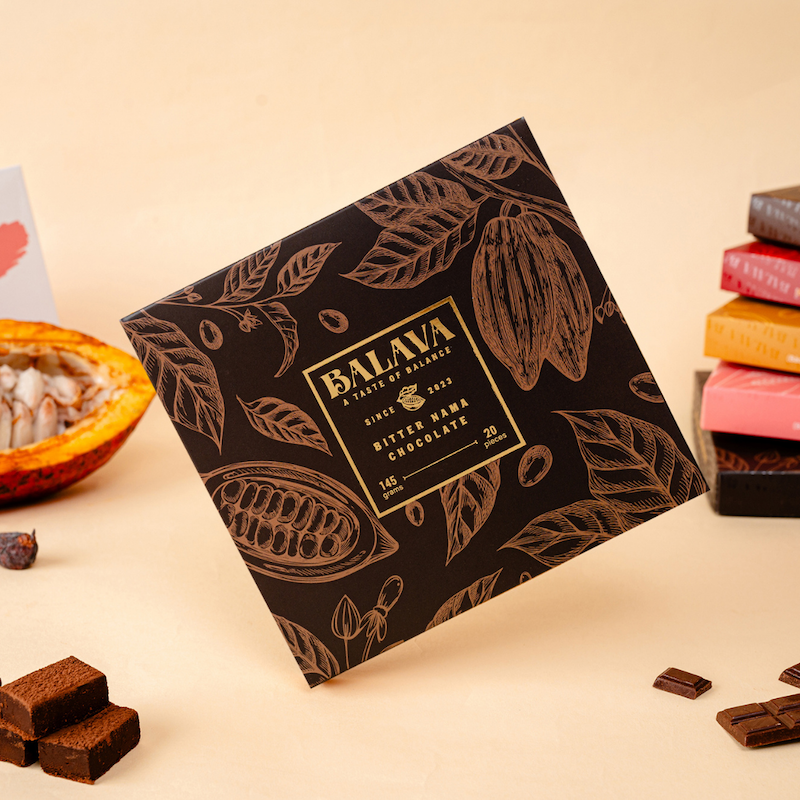
| Selling to Korean travellers in Vietnam | The souvenir-with-a-place logic is already familiar. Packaging that survives a flight and clearly states origin does most of the work. Nama chocolate is a poor traveller; bars and cocoa powder are not. |
| Building a wholesale relationship | Expect specification questions early: fat content, alkalization, shelf life, certification. Korean buyers in the premium segment are technically literate. |
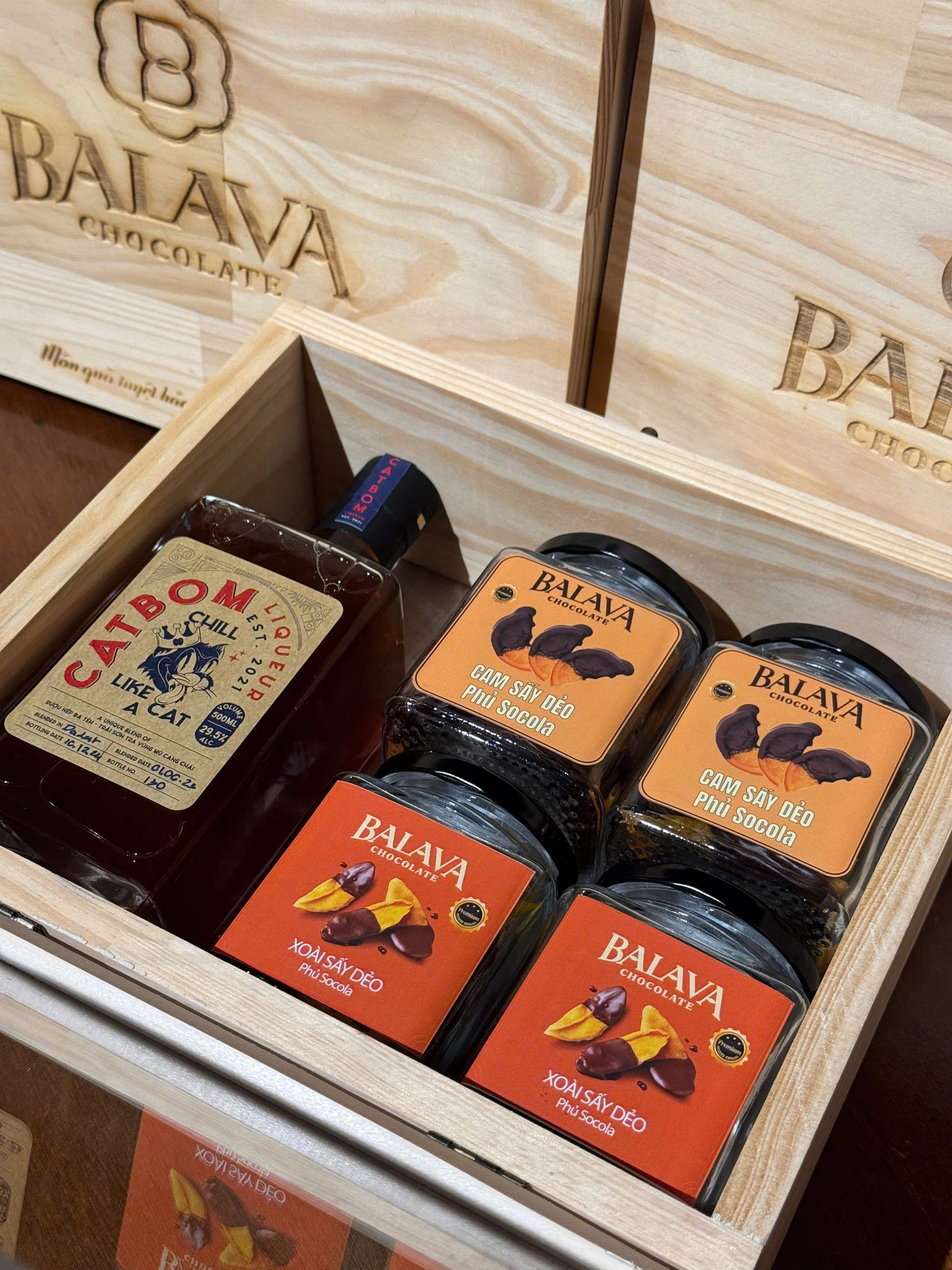
Talk to BALAVA
Wholesale pricing, private label, samples and export documentation — we answer in English.
Sources. Market size, 2030 forecast and CAGR: Mordor Intelligence, South Korea chocolate market report, 2025. The 14 February / 14 March / 14 April sequence and the reversed direction of giving are widely documented features of Korean gifting culture. The suneung correction — yeot and rice cakes rather than chocolate, and the double meaning of 봝다 — is as reported in Korean press coverage of the examination period. Jeju chocolate museum and tangerine chocolate as an established domestic souvenir are matters of public record. Korea has no domestic cacao cultivation.
Other review products

.png "Roasted Cacao Beans")