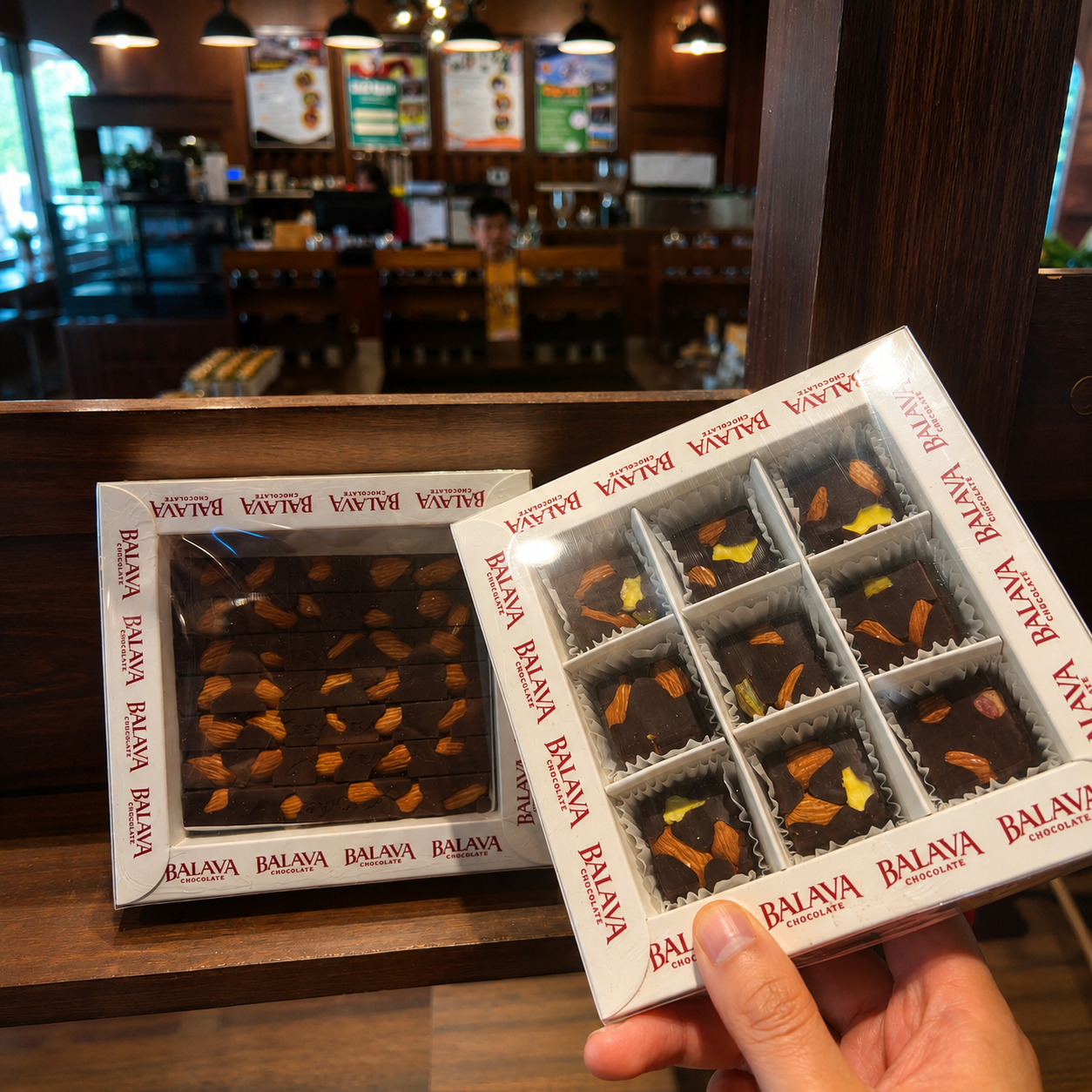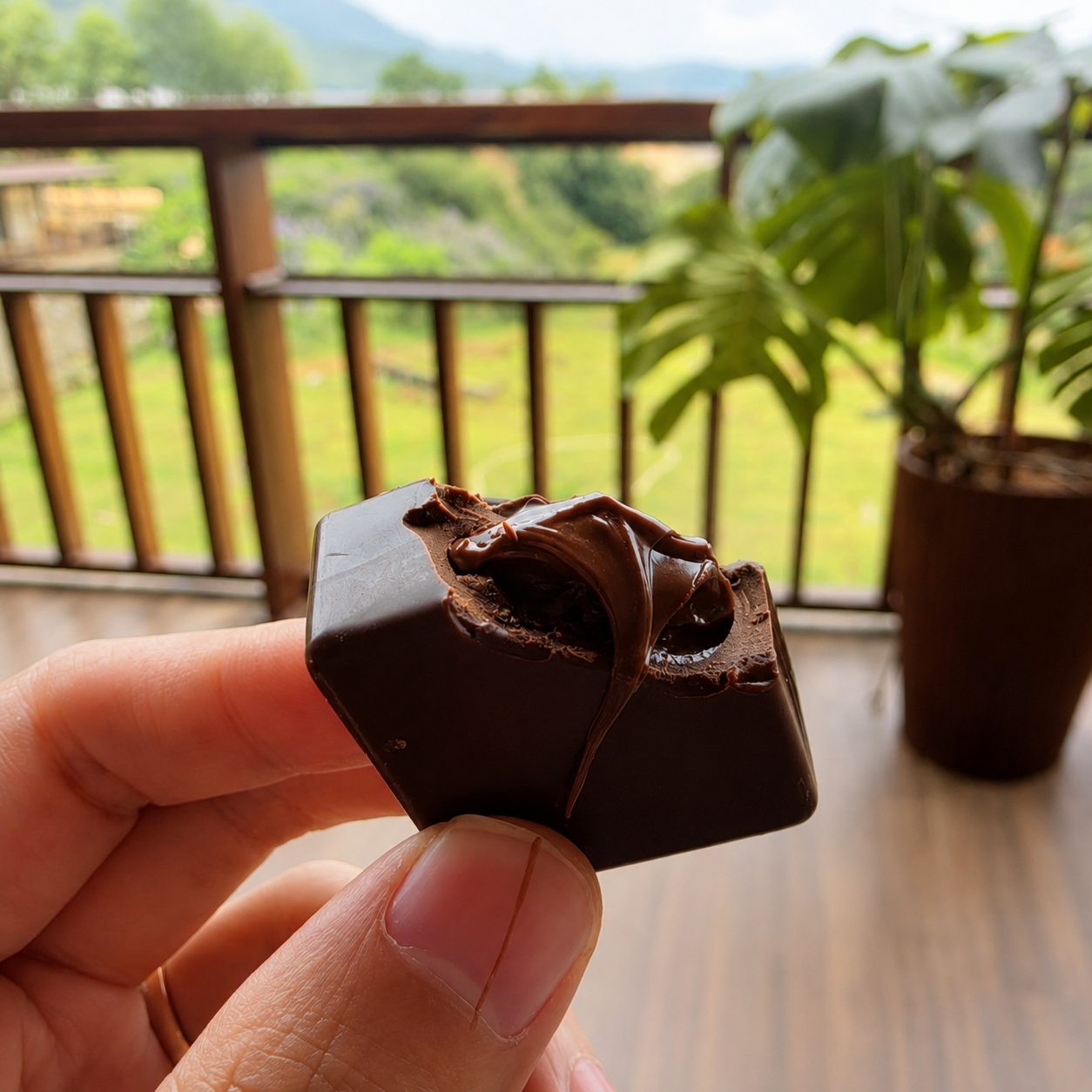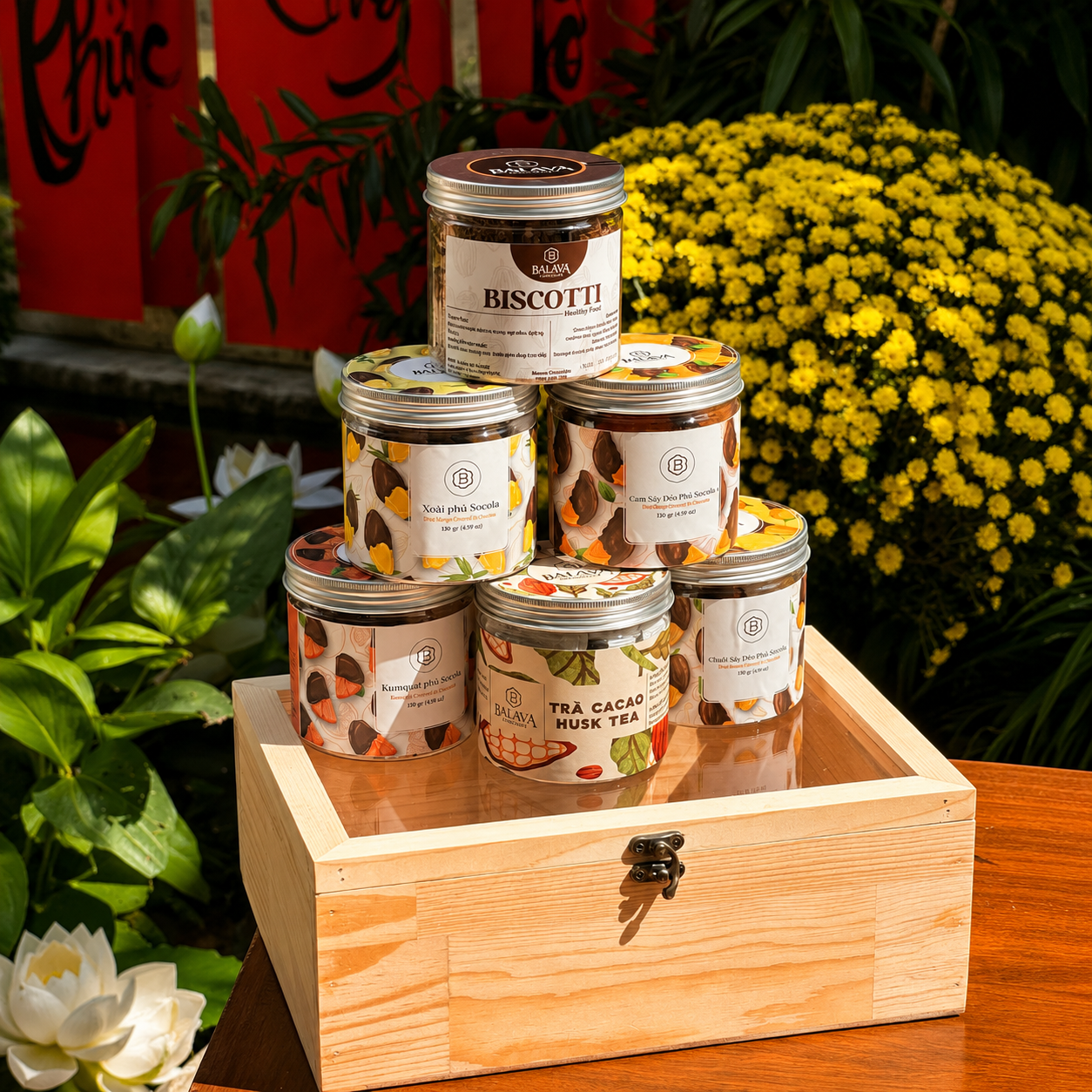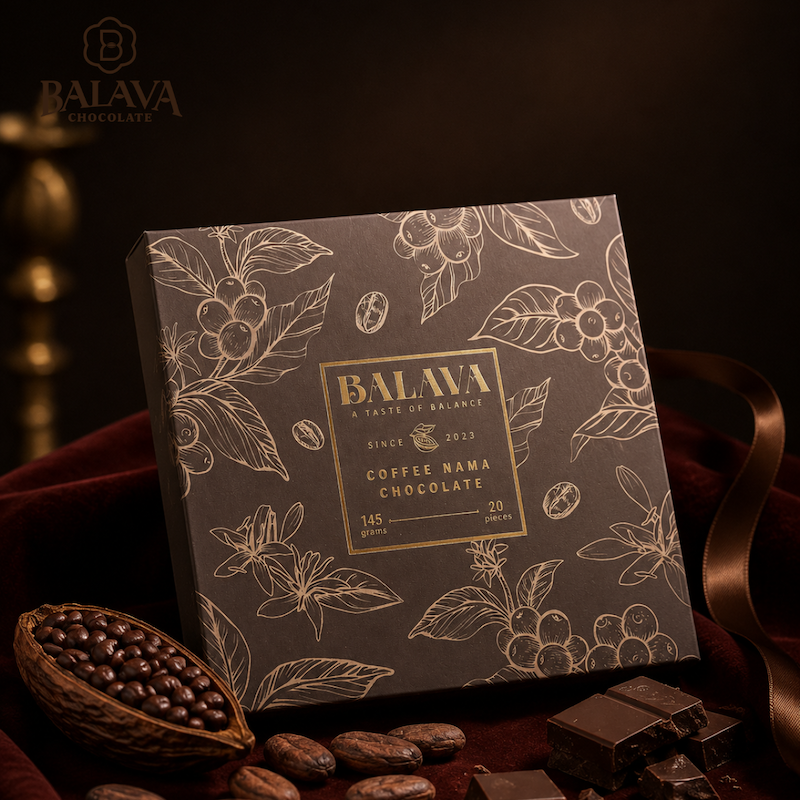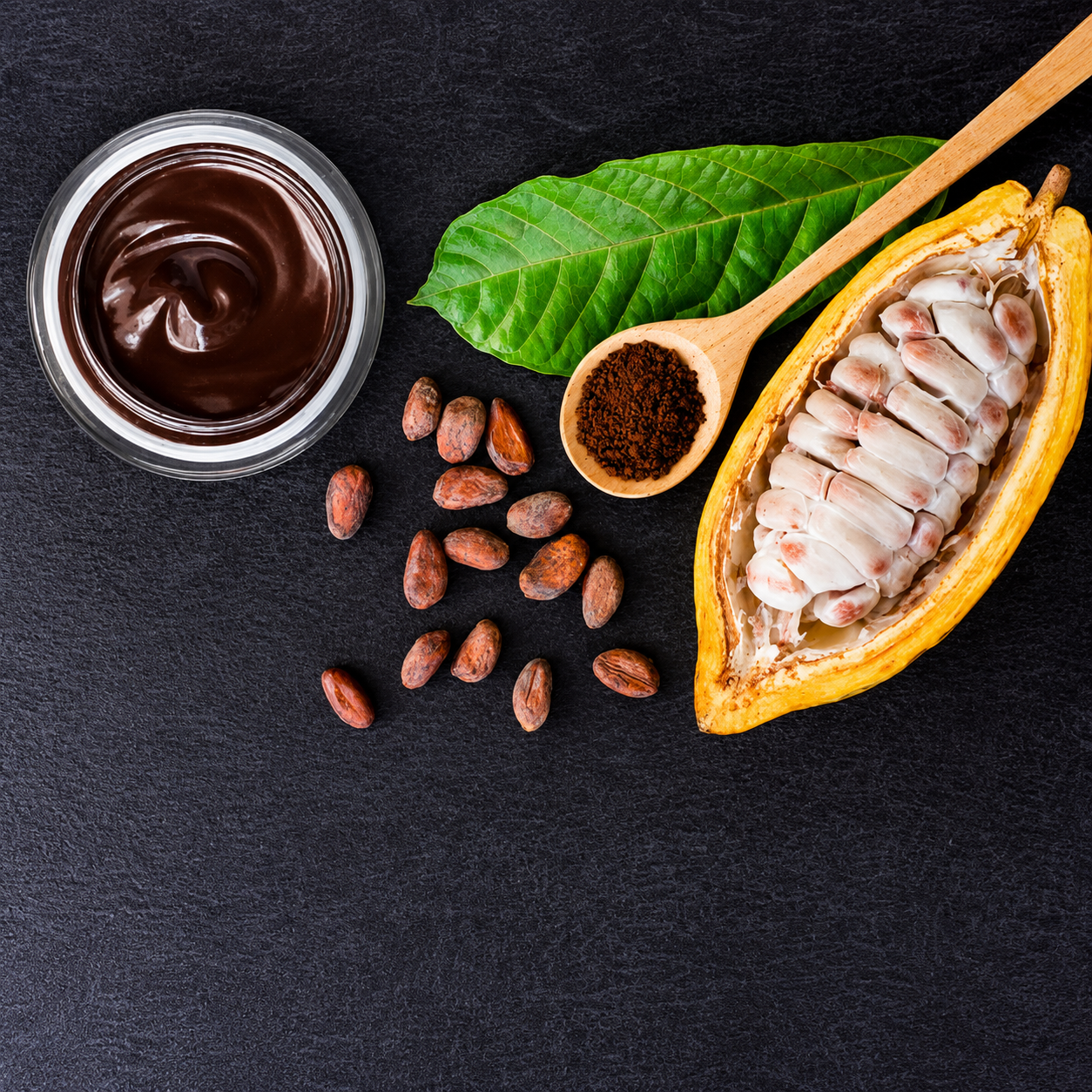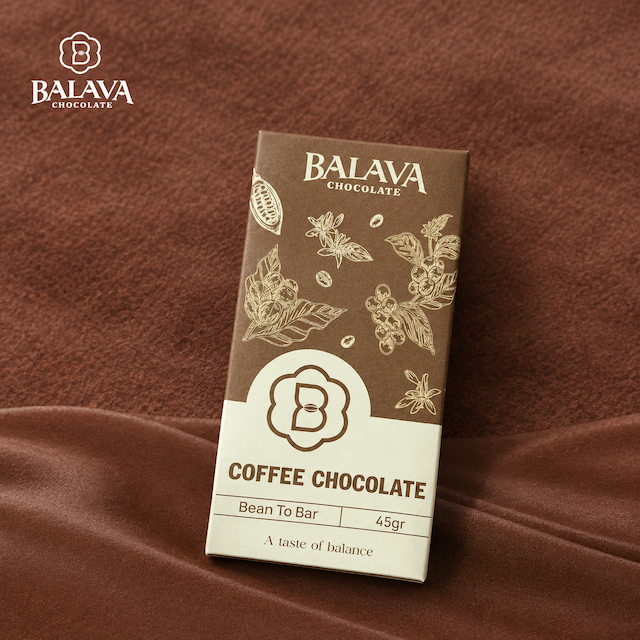
Vietnam is not an obvious cacao country. It has no colonial chocolate tradition and no centuries-old plantations. Yet it appears on a list that only about twenty countries in the world are on — and at a share higher than most of them.
80%
of Vietnam's cocoa exports classed fine or flavour
~20
countries on the ICCO listing worldwide
~12%
share of world cocoa bean exports that is fine or flavour
What the Listing Actually Is
The International Cocoa Organization maintains a listing, under Annex C of the International Cocoa Agreement, of countries that export fine or flavour cocoa either exclusively or in part. Each listed country carries a determined percentage. Vietnam's figure is 80% of export volume, per the listing as revised in April 2024.
Context matters for reading that number. Fine or flavour cocoa is roughly 12% of world cocoa bean exports, and Latin America accounts for the large majority of it. Vietnam is one of the few Asian origins recognised at all.
What the listing is not: it is not a quality certificate for any individual shipment. It is a country-level designation determined by a panel. A buyer still assesses each lot on its own merits.
.png)
What the Highlands Contribute
Cacao in Vietnam grows across several regions with markedly different conditions — the Central Highlands, the Southeast, and the Mekong Delta. Lam Dong sits in the highlands, at altitude, with a pronounced day–night temperature difference.
That temperature swing matters for the same reason it matters in coffee and in fruit: slower ripening and greater accumulation of acids and aromatic precursors. It is one reason highland lots often show brighter acidity and more pronounced fruit character than lowland lots from the same variety group.
On variety, Vietnamese cacao is largely Trinitario, through clonal lines selected under national development programmes — the group that balances flavour complexity against yield and disease resistance.
The Part Origin Cannot Do For You
Genetic potential and growing conditions set a ceiling. Fermentation determines how much of that ceiling is reached. A well-sited, well-varietied lot that is poorly fermented will produce worse chocolate than an ordinary lot fermented correctly.
This is why experienced buyers ask about fermentation before they ask about variety, and why national fine flavour status is a starting point in a negotiation rather than a conclusion.
BALAVA's Position
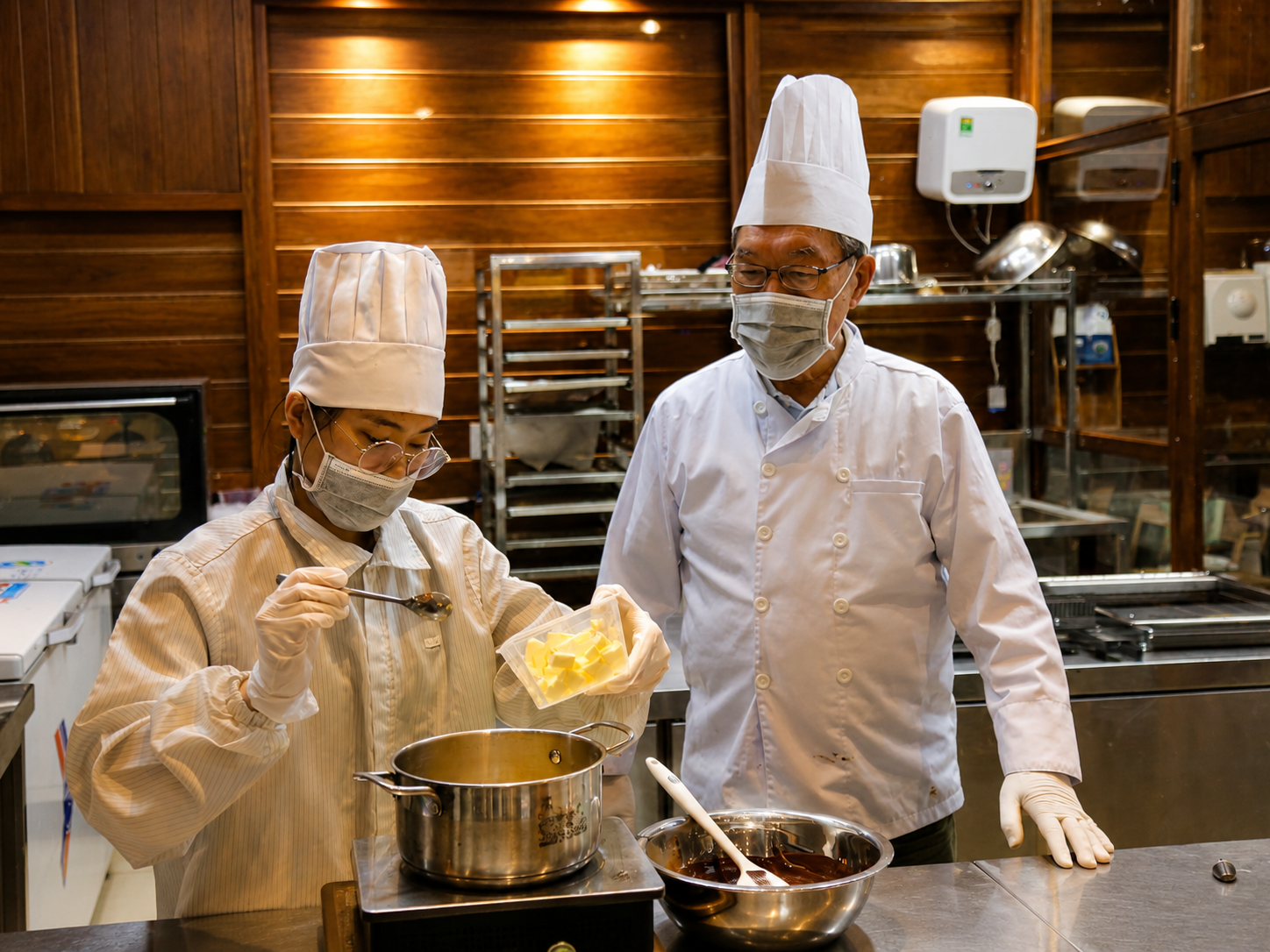
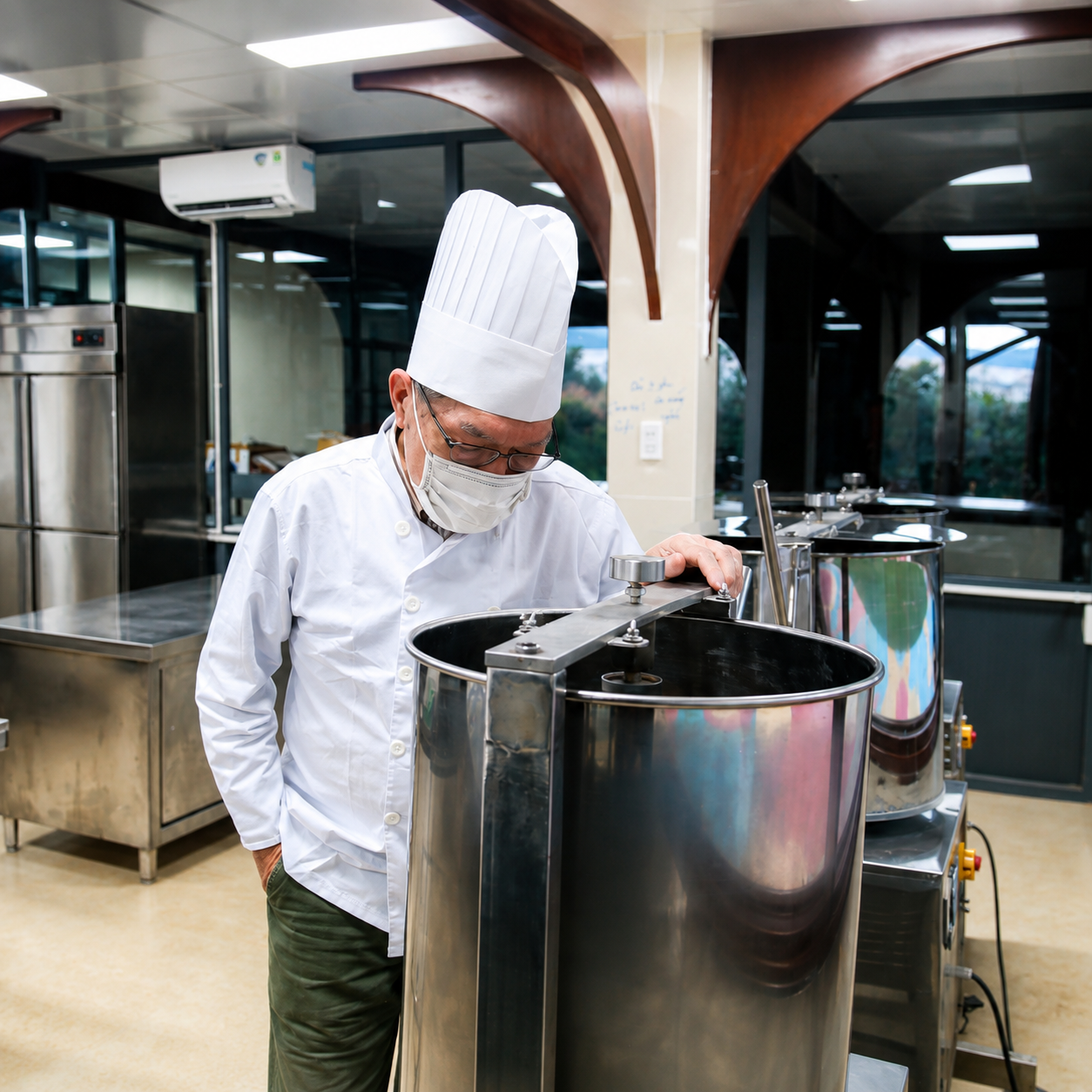
BALAVA works with Lam Dong cacao and controls fermentation itself, using the Nakano Mame method with time and temperature closely monitored. Roasting, stone grinding, butter pressing, sifting and moulding all follow in our own workshop in Da Lat.
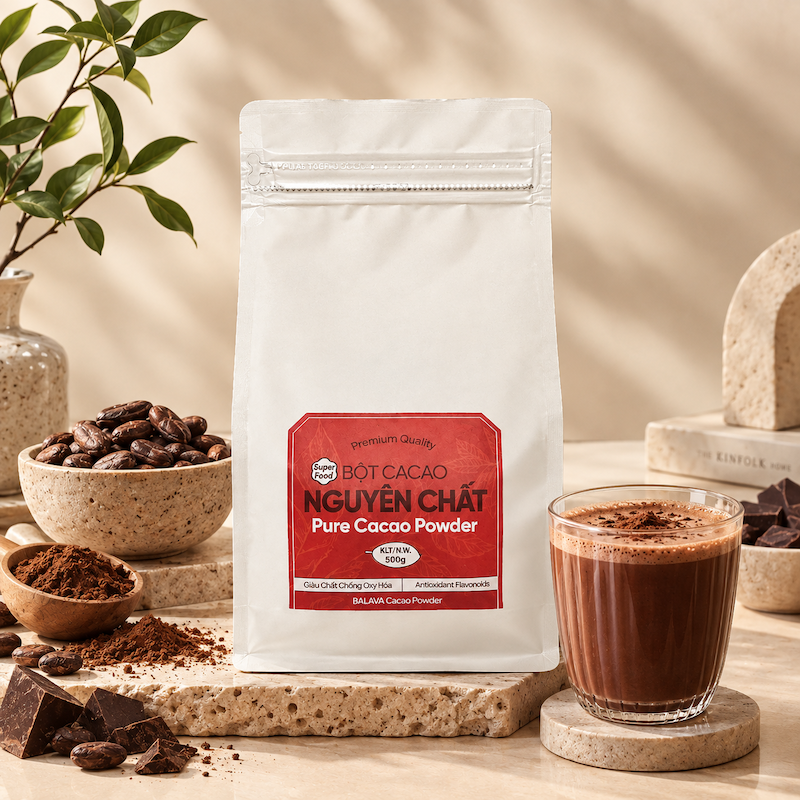
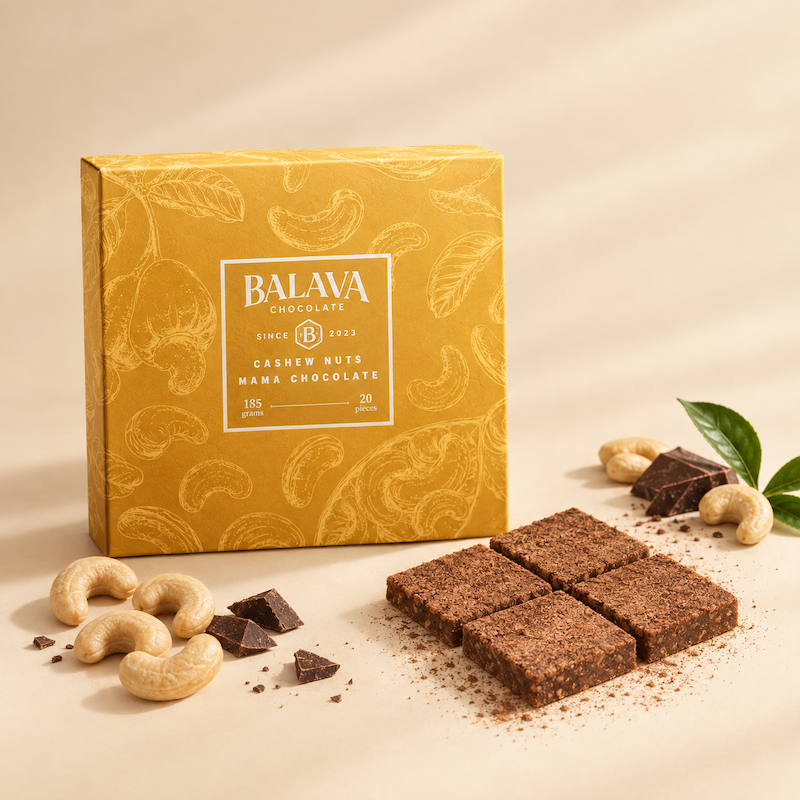
Cocoa powder is non-alkalized with 22–25% cocoa butter — a natural, high-fat specification that preserves rather than flattens the origin character described above.
For batch documentation, contact TGROUP.
Sources: Vietnam's 80% figure and the roughly 12% world share of fine or flavour cocoa are published by the International Cocoa Organization, per the Annex C listing revised April 2024. Variety group composition reflects national cacao development programme material. Altitude and diurnal temperature effects on acid and aroma precursor accumulation are general agronomic principles, not a measurement of any specific BALAVA lot.
Wholesale, Export & Corporate Gifting
TGROUP is BALAVA's distribution partner. Contact us for pricing, product specifications and export documentation.
Other review products