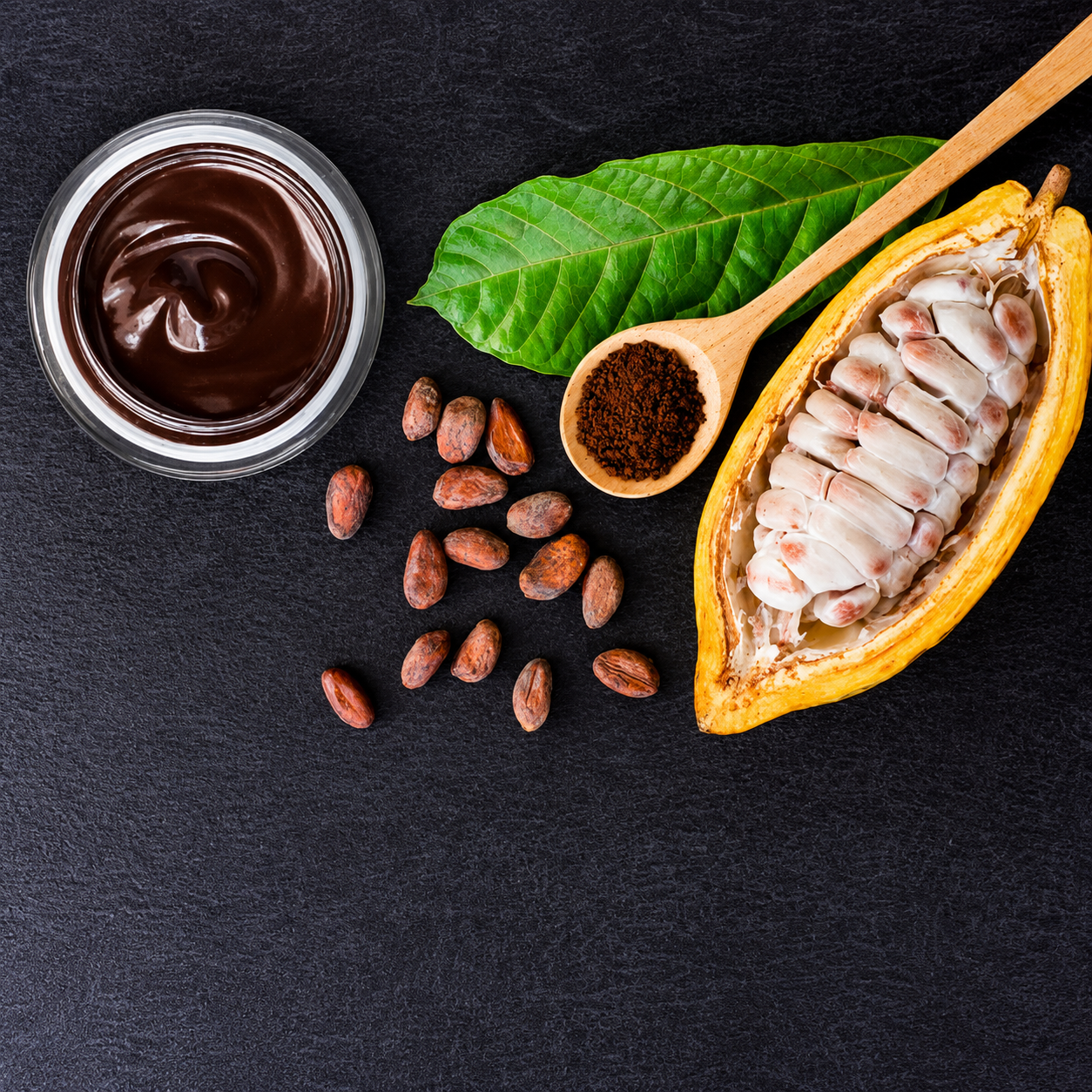
All chocolate in the world comes from one species: Theobroma cacao. Inside that species sit hundreds of distinct lines with completely different flavour — from rare groups making up a few percent of world supply, to the bulk variety that feeds the entire industrial chocolate trade.
~12%
share of world cocoa bean exports classed fine or flavour
10
genetic clusters identified in the 2008 Motamayor study
80%
of Vietnam's cocoa exports classed fine or flavour by ICCO
The Three Traditional Groups
For over a century the cacao trade has sorted the species into three groups. Modern genetics has complicated that picture, but the three-way split remains the working language of buyers, roasters and chocolate makers everywhere.
GROUP 01
Criollo — the aristocrat
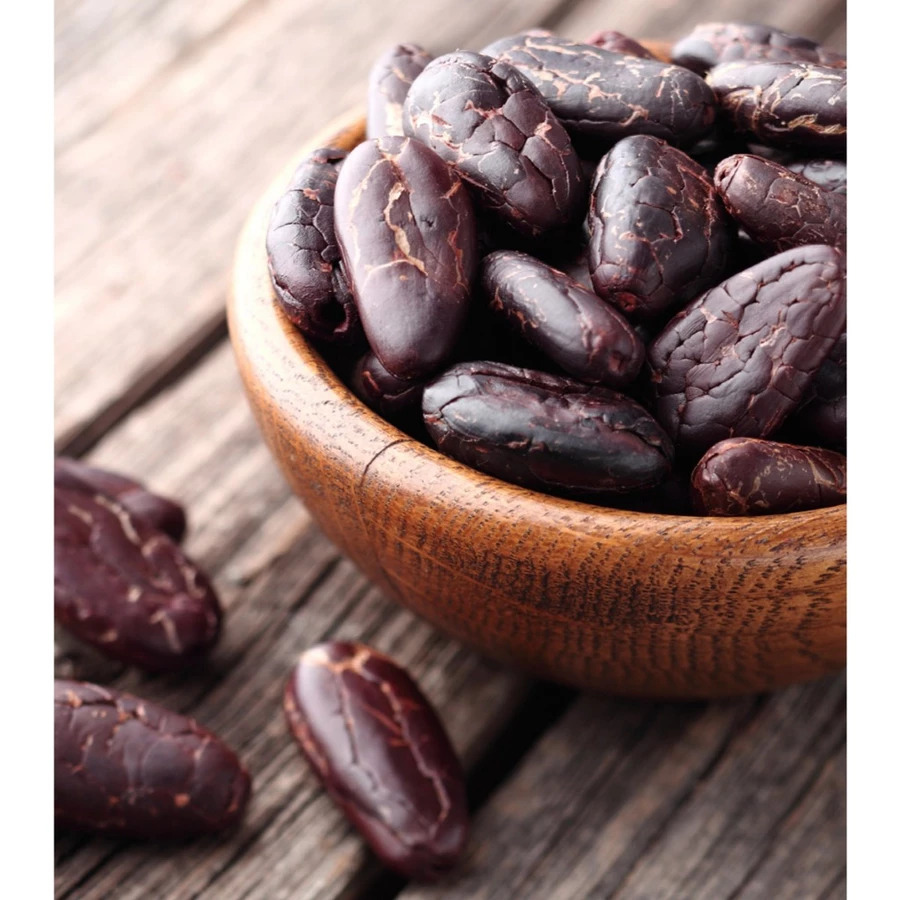
Criollo was the first cacao domesticated, by the Maya and Aztec in Mesoamerica, and is regarded as the oldest and finest line. Beans are ivory to pale purple, with complex aroma running to nut, caramel and fruit, and almost none of the harsh bitterness typical of ordinary cacao.
The price of that quality is low yield and poor disease resistance. Pure Criollo is now extremely rare — industry estimates commonly put the group below 5% of world production. Most chocolate marketed as "Criollo" is in practice a hybrid with a high Criollo share.
GROUP 02
Forastero — the backbone of the industry
Originating in the Amazon basin, Forastero accounts for the overwhelming majority of world cacao production — industry estimates commonly place it at 80–90%. It is the mainstay of West African cultivation, which supplies most of the beans used by large-scale chocolate manufacturers.
Its strengths are vigour, disease resistance and yield. Flavour is strong, clearly bitter and less layered than Criollo — well suited to industrial chocolate where beans are dark-roasted and blended. The sub-group Amelonado is the single most widely planted variety in the world.
GROUP 03
Trinitario — the practical balance
Trinitario is a hybrid of Criollo and Forastero that arose on Trinidad after the island's Criollo plantings were devastated and rebuilt with introduced Forastero, which then crossed naturally.
The result carries flavour complexity approaching Criollo with resilience and yield approaching Forastero. Estimates commonly place the group at 10–15% of world production. It is the group most bean-to-bar makers work with, because it balances flavour quality against commercial viability.
Nacional — the fourth group
Alongside the three classics, specialists increasingly recognise Nacional (also called Arriba) from Ecuador as distinct. Nacional is known for a floral signature — jasmine and liquorice notes — rarely found in any other cacao line. Ecuador is the world's largest exporter of fine flavour cocoa, and Nacional is the reason.
Notably, pure Nacional is now as scarce as pure Criollo, having been crossed with higher-yielding lines over decades. Conservation programmes in Ecuador are working to recover original Nacional populations.
What Genetics Changed
In 2008, research by Motamayor and colleagues published in PLOS ONE analysed over a thousand cacao samples and concluded that the traditional three-way split is far too coarse. The study identified 10 distinct genetic clusters: Amelonado, Contamana, Criollo, Curaray, Guiana, Iquitos, Marañón, Nacional, Nanay and Purús.
The practical significance is considerable. It showed that cacao genetic diversity is concentrated in the upper Amazon — Peru, Ecuador and Colombia — rather than in Mesoamerica as previously assumed. It also opened up a large reservoir of genetic material for breeding: clusters such as Marañón and Curaray carry flavour and disease-resistance traits never commercially exploited.
In day-to-day trade the three traditional groups remain in use for convenience. But when discussing the real quality of a lot, more and more makers assess by growing region and fermentation process rather than by variety name alone.
Where Vietnamese Cacao Stands
Vietnam appears on the International Cocoa Organization's list of countries exporting fine or flavour cocoa, with a determined share of 80% of export volume — a high proportion by world standards, per the listing as revised in April 2024.
This carries weight: only around twenty countries appear on that list, most of them in Latin America. Vietnam is one of the few Asian countries recognised.
On variety, cacao grown in Vietnam belongs largely to the Trinitario group, through selected clonal lines propagated under national cacao development programmes. Soil and climate differ markedly between growing regions — the Central Highlands, the Southeast, and the Mekong Delta — producing noticeably different flavour characteristics.
BALAVA
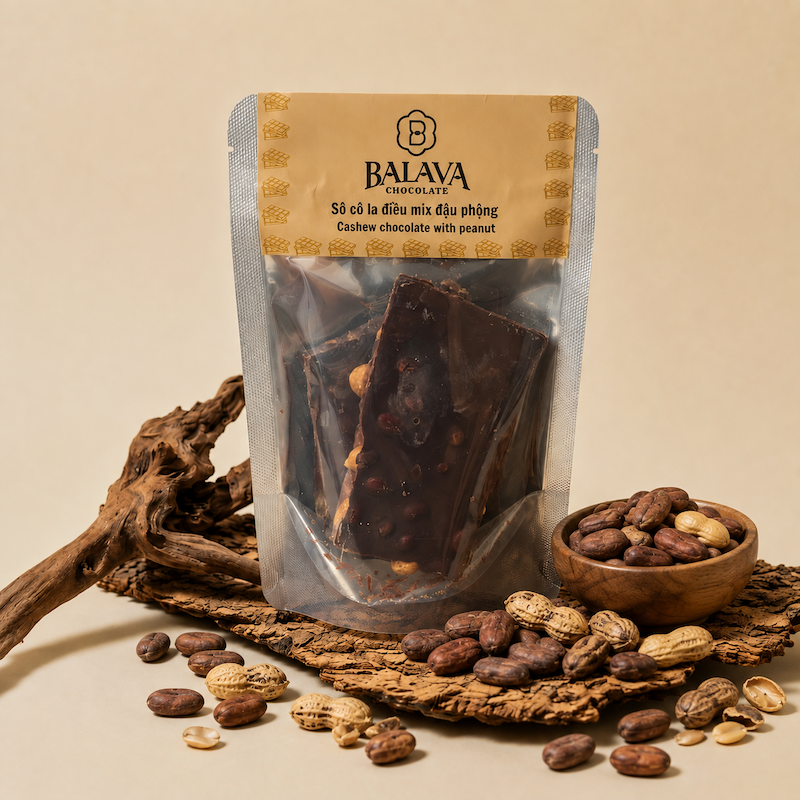
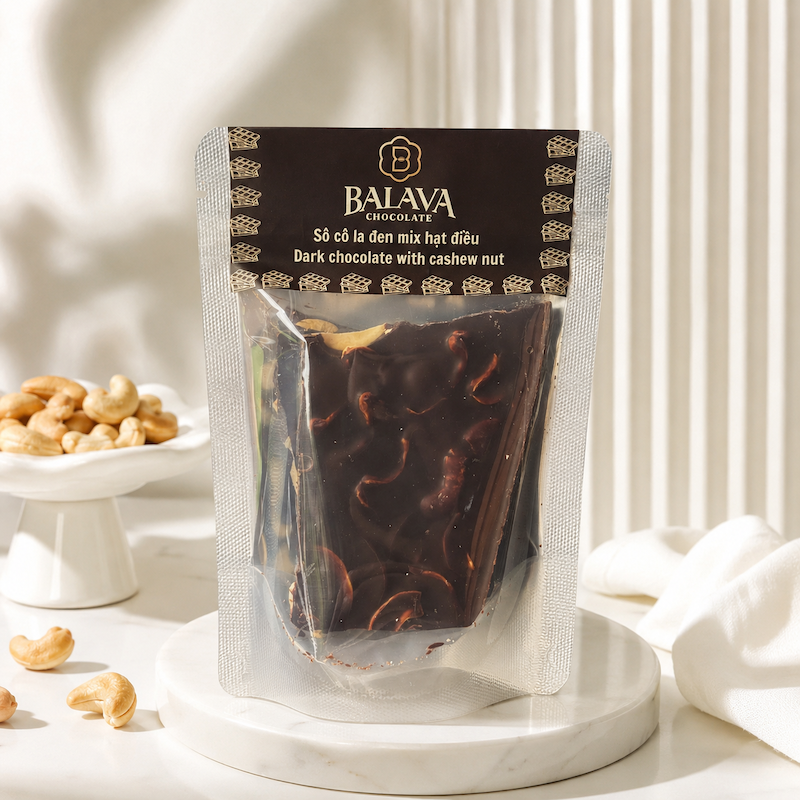
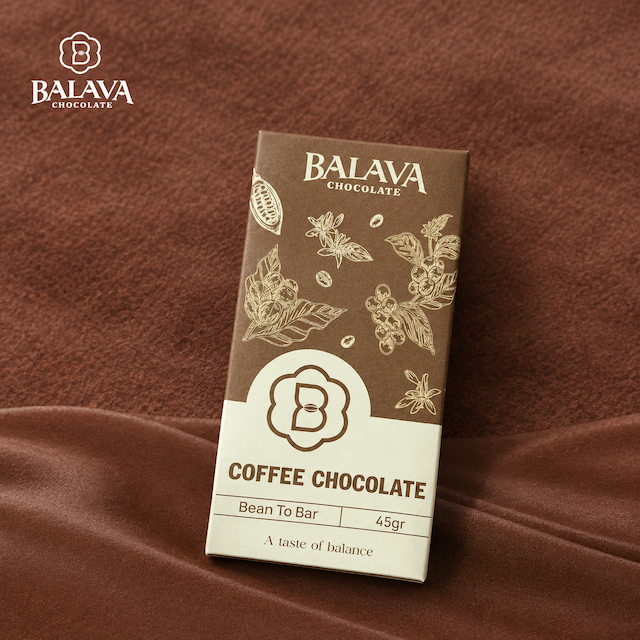
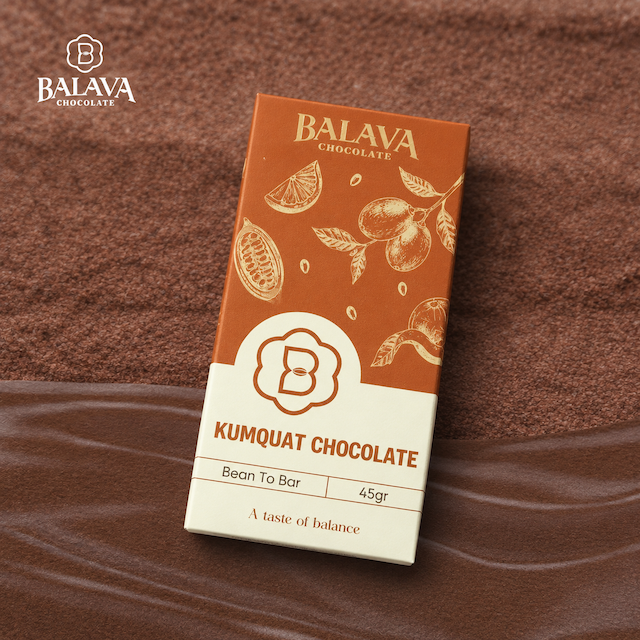
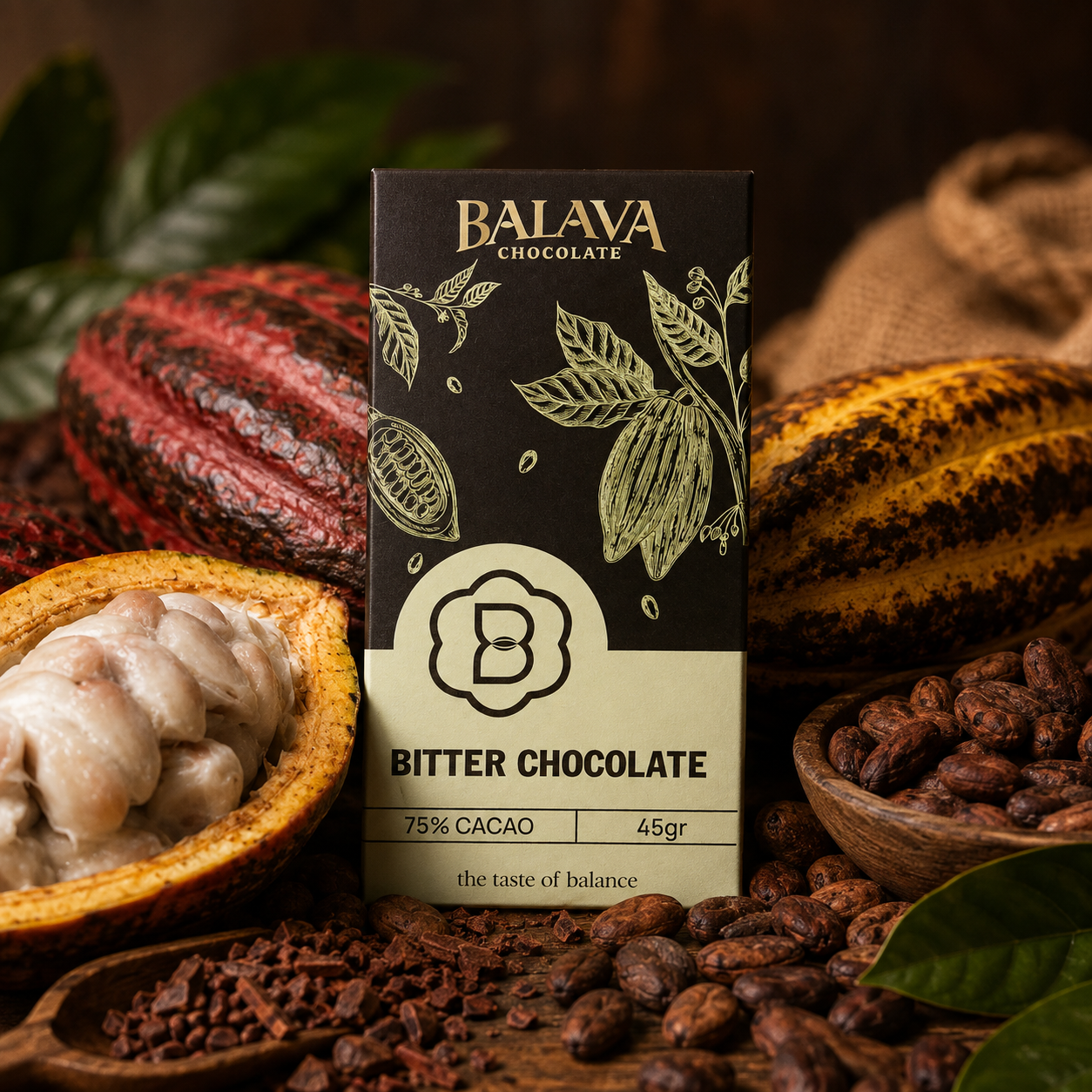
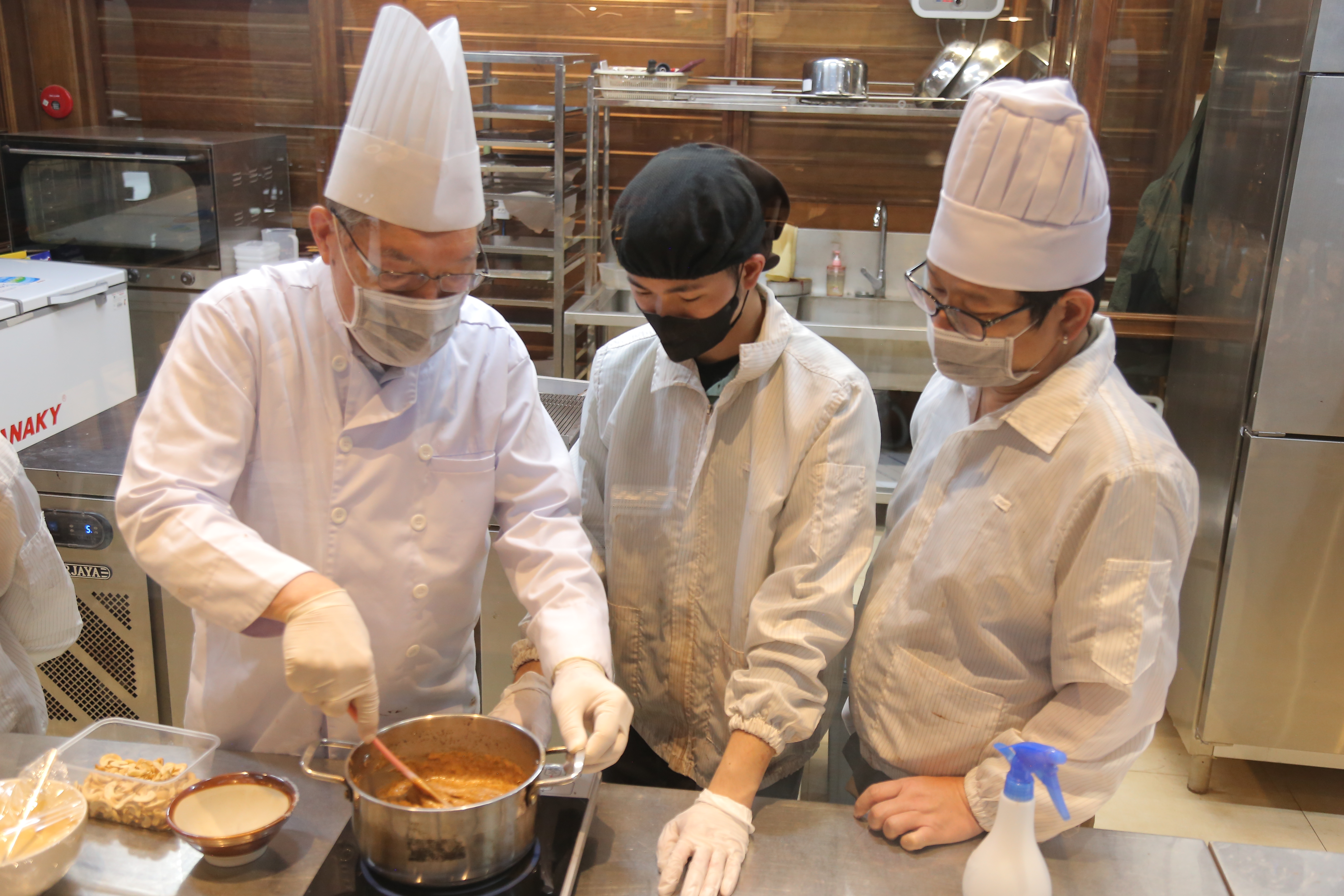
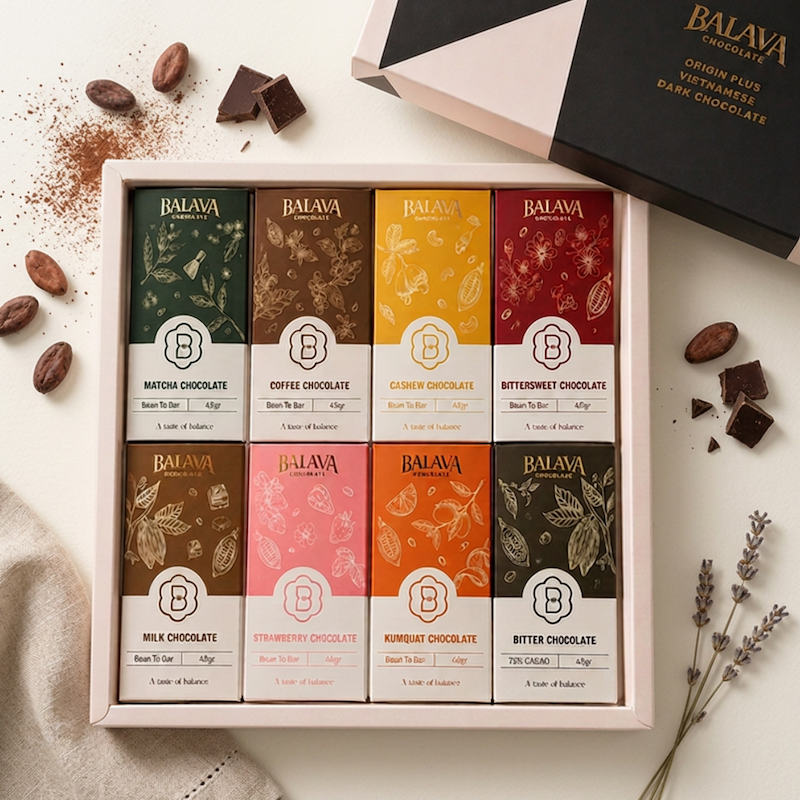
BALAVA works with cacao from Lam Dong, Vietnam, and carries out the full processing chain in its own workshop in Da Lat: fermentation via the Nakano Mame method, then roasting, stone grinding, butter pressing, sifting and moulding. Controlling the chain end to end is what preserves the character of the raw material instead of flattening it through deep roasting and blending.
Our cocoa powder is non-alkalized with 22–25% cocoa butter. For batch-level technical documentation, contact TGROUP.
Sources and limits: the ~12% fine or flavour share of world exports and Vietnam's 80% figure are published by the International Cocoa Organization, per the Annex C listing last revised in April 2024. The 10-cluster classification is from Motamayor et al., PLOS ONE, 2008. Production shares for Criollo, Forastero and Trinitario are widely cited industry estimates and vary between sources, since no official statistics classify production by variety group. BALAVA makes no claim to any competition entry, award or certification.
Wholesale, Export & Corporate Gifting
TGROUP is BALAVA's distribution partner. Contact us for pricing, product specifications and export documentation.
Other review products

.png "Roasted Cacao Beans")