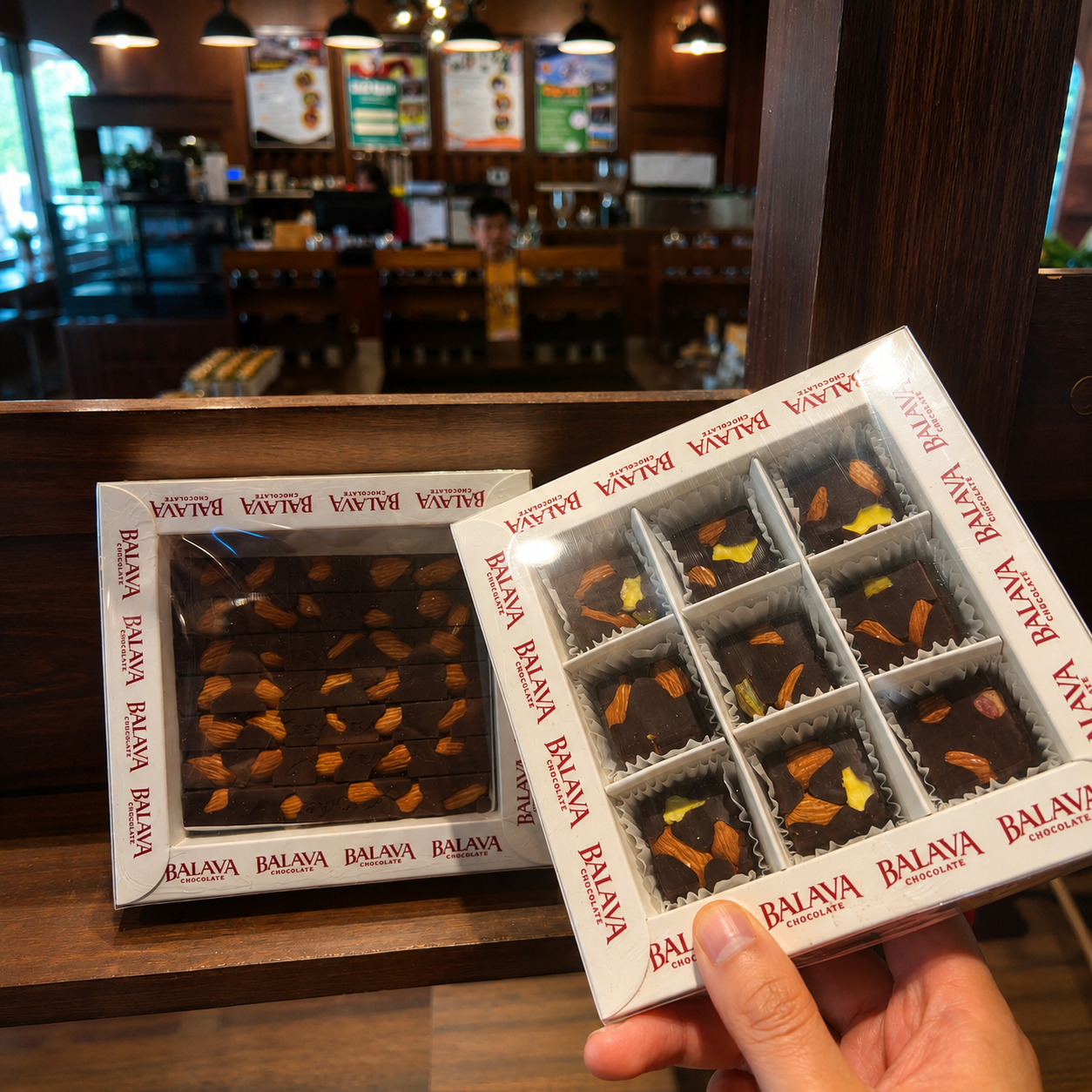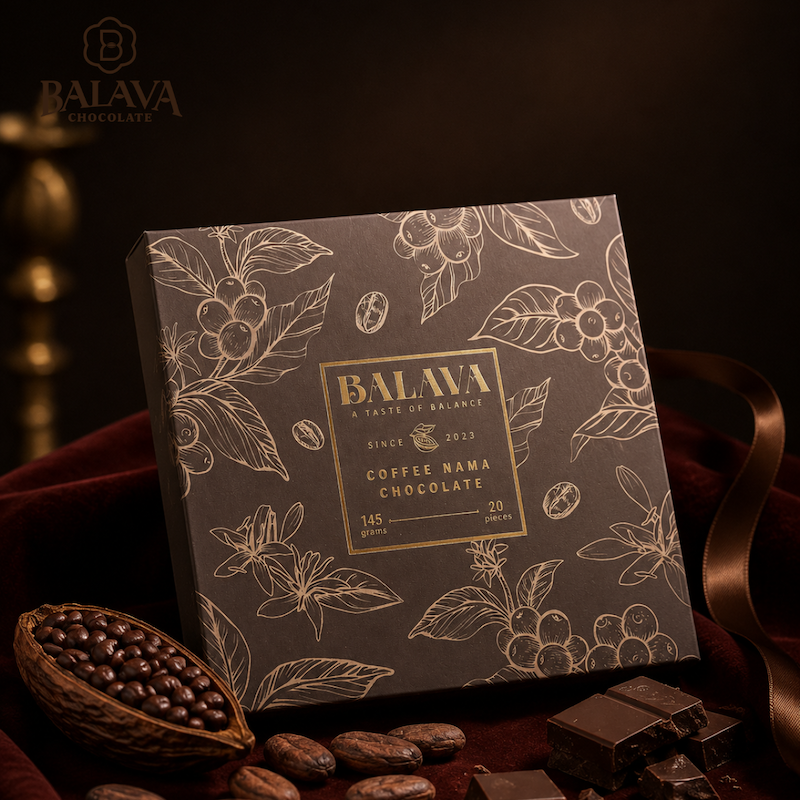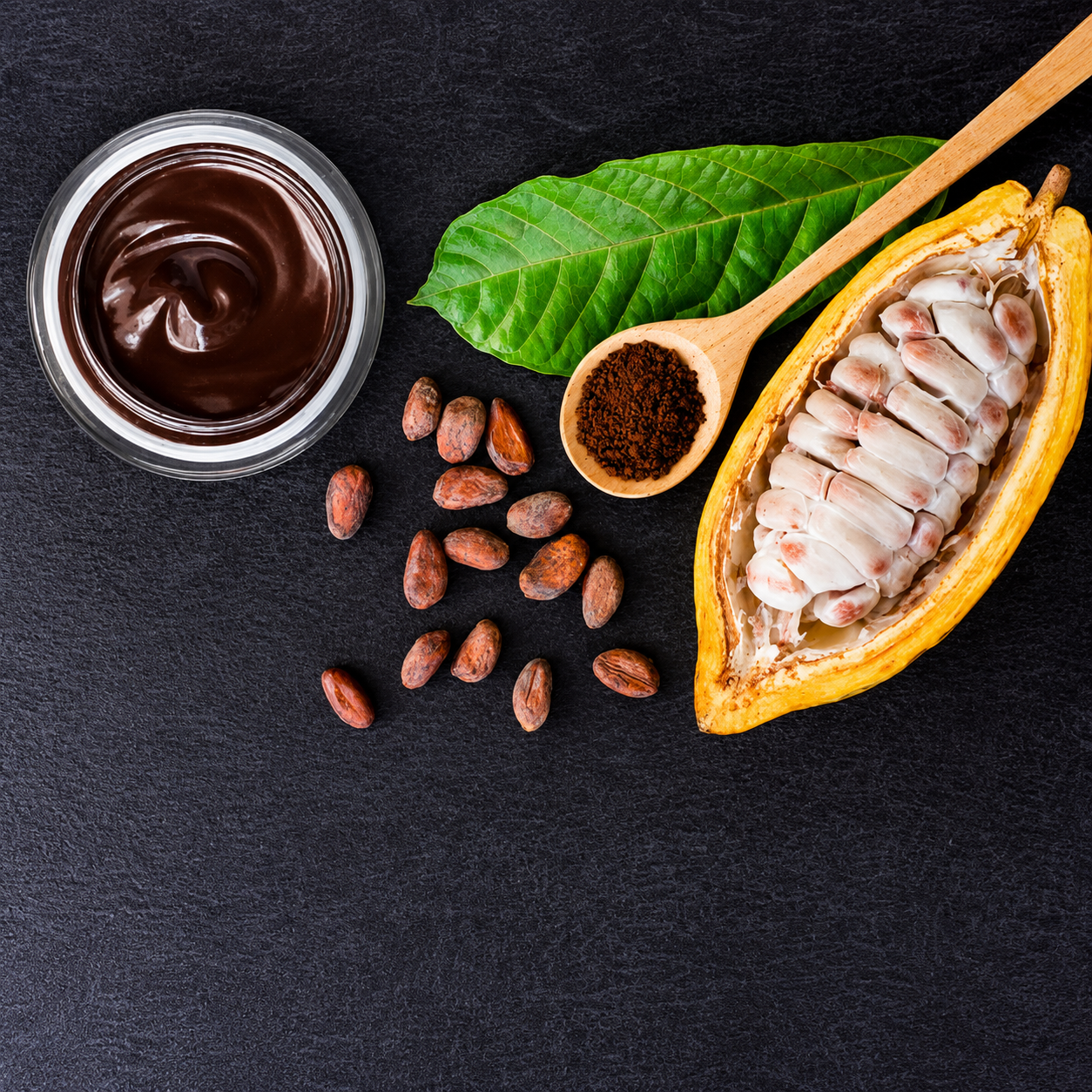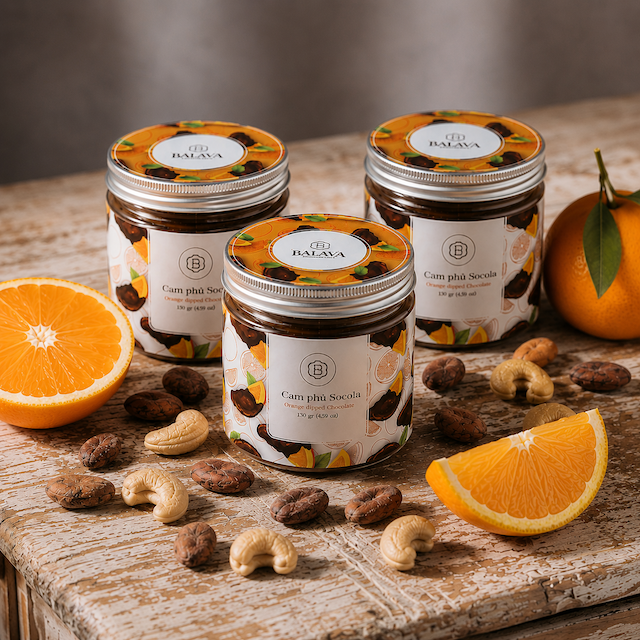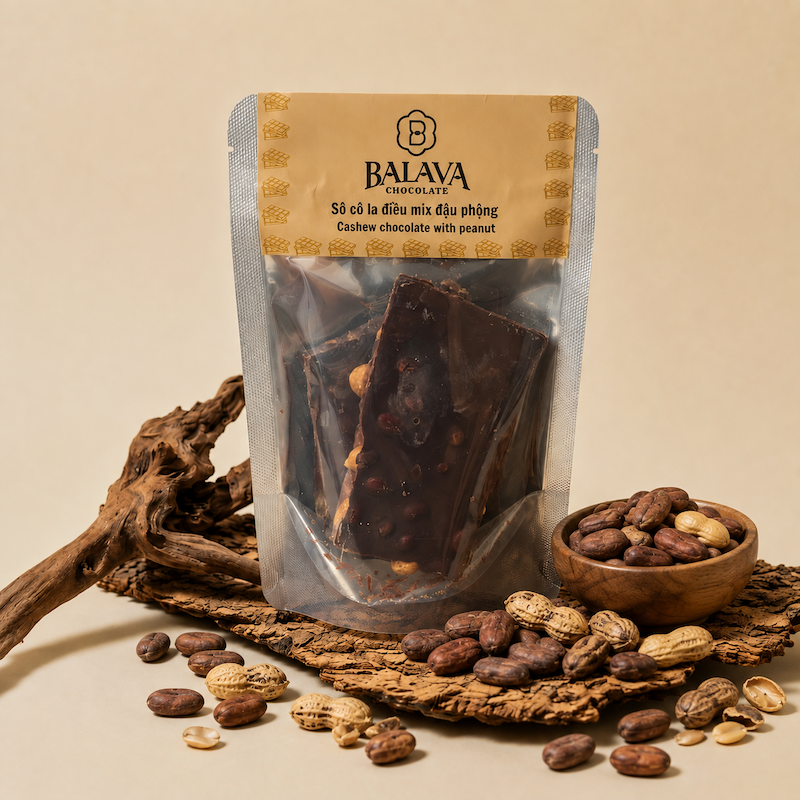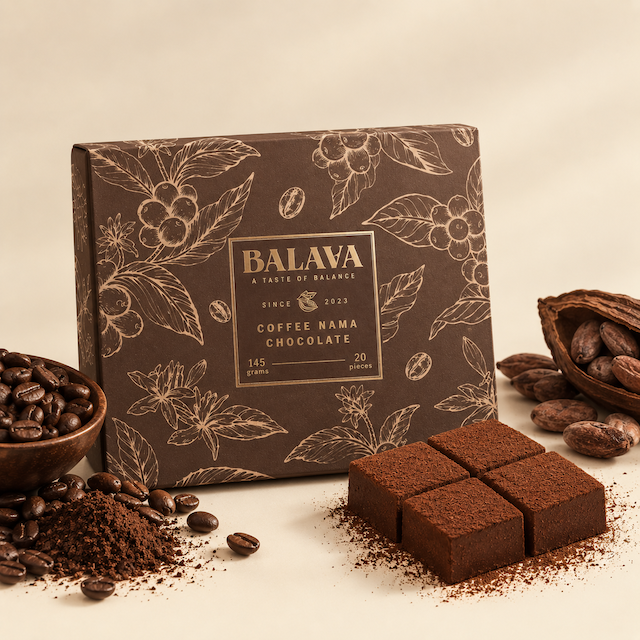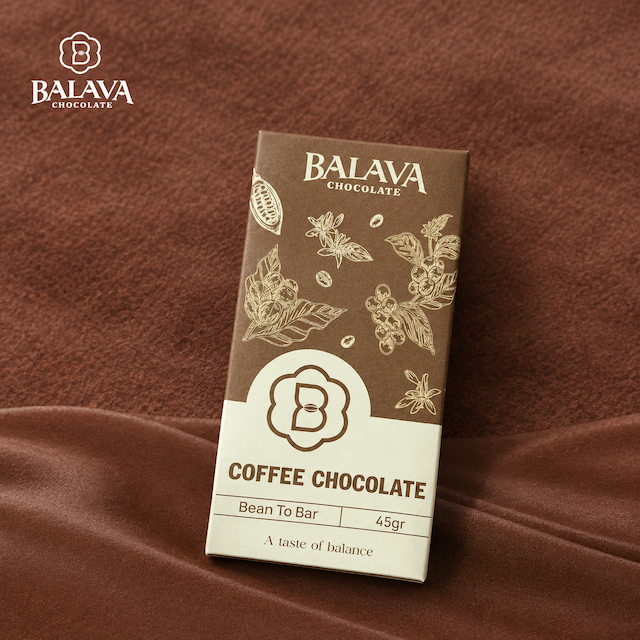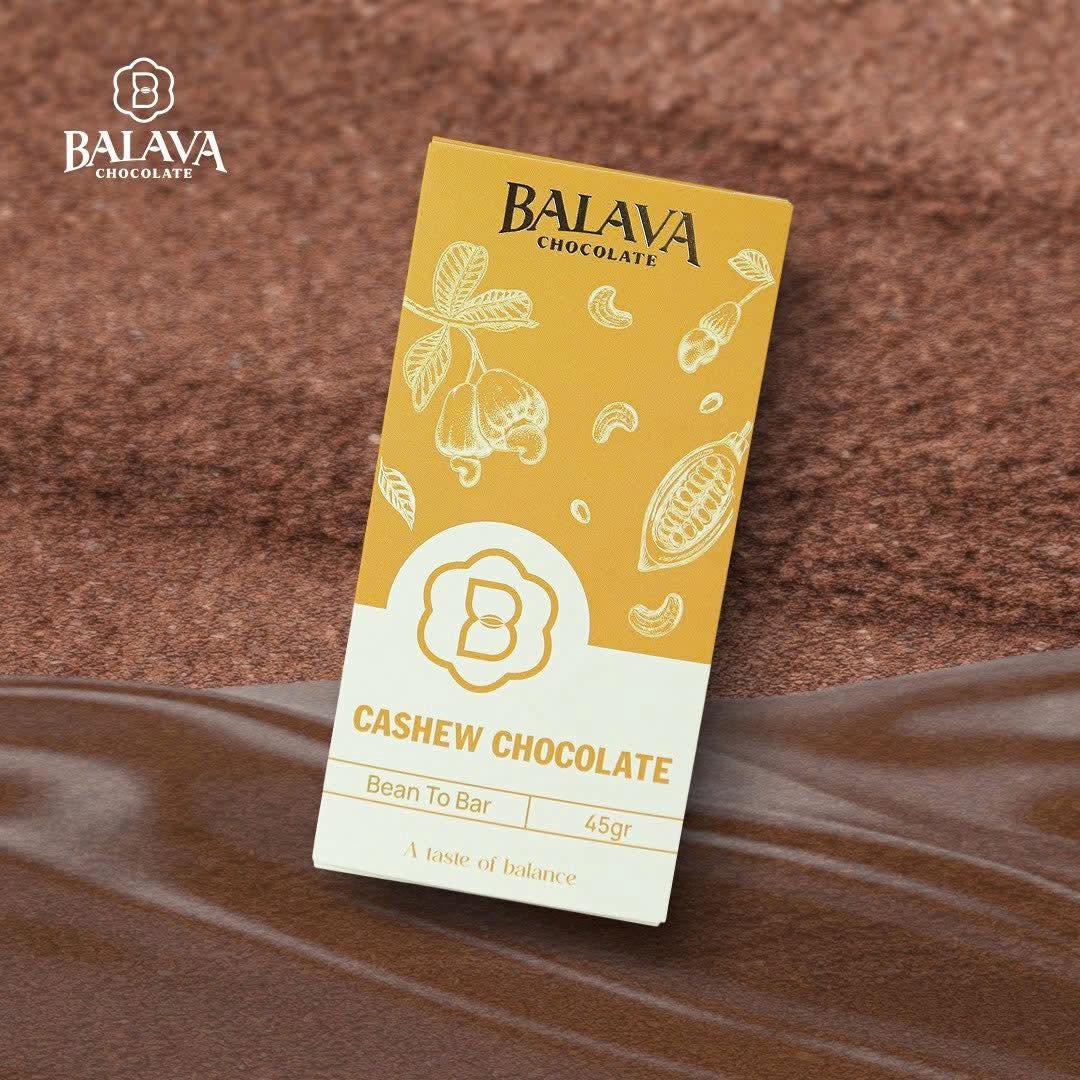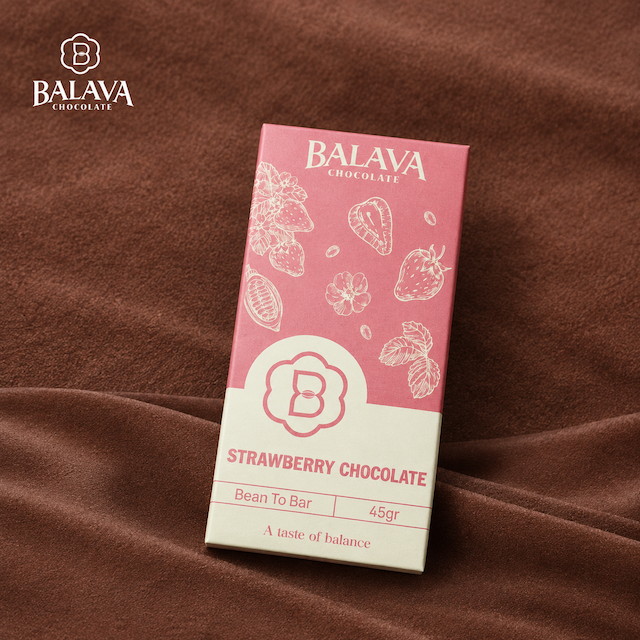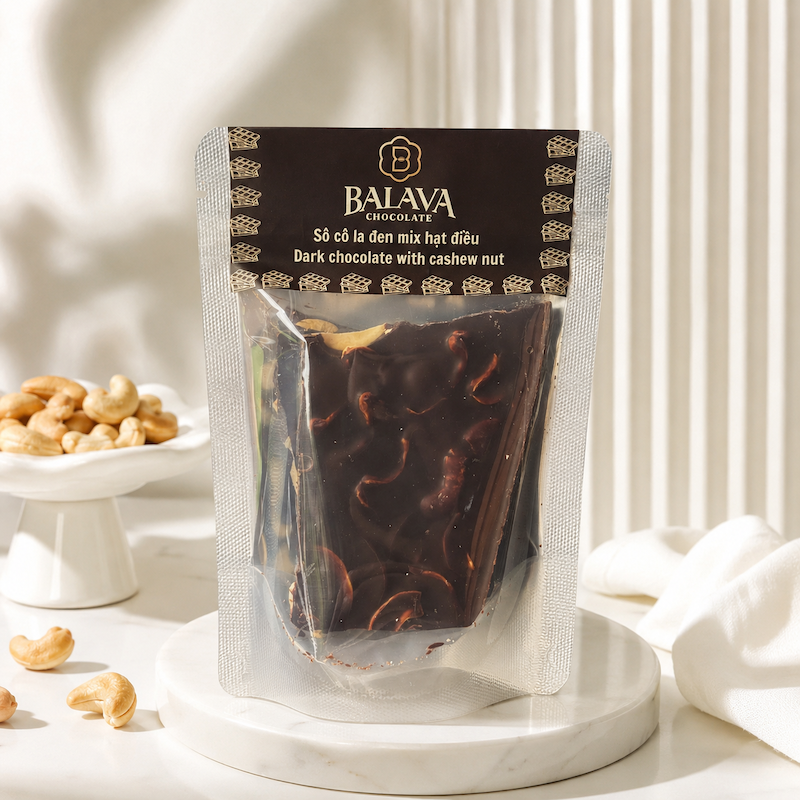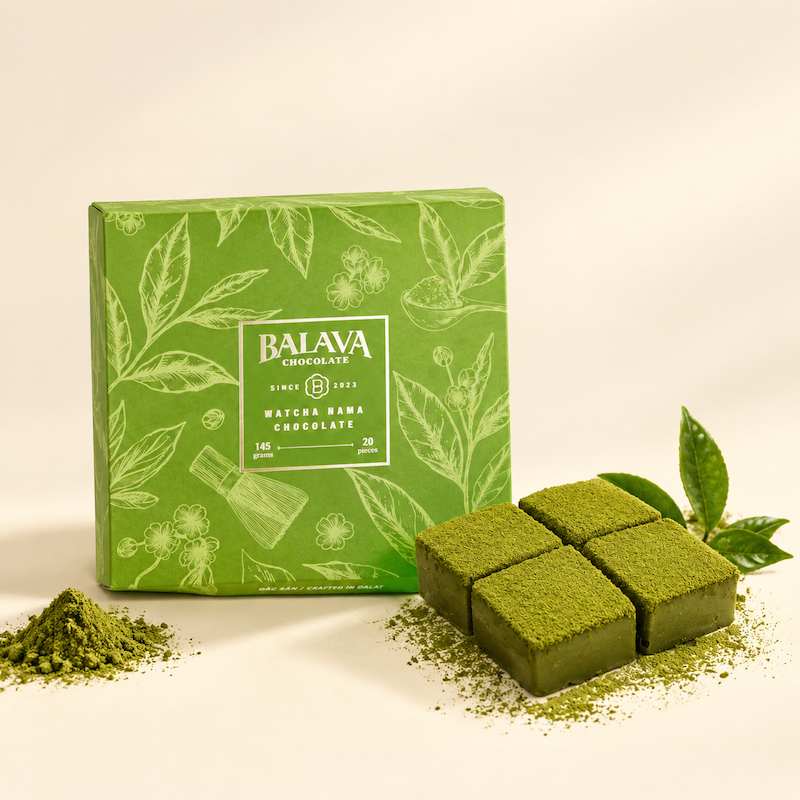
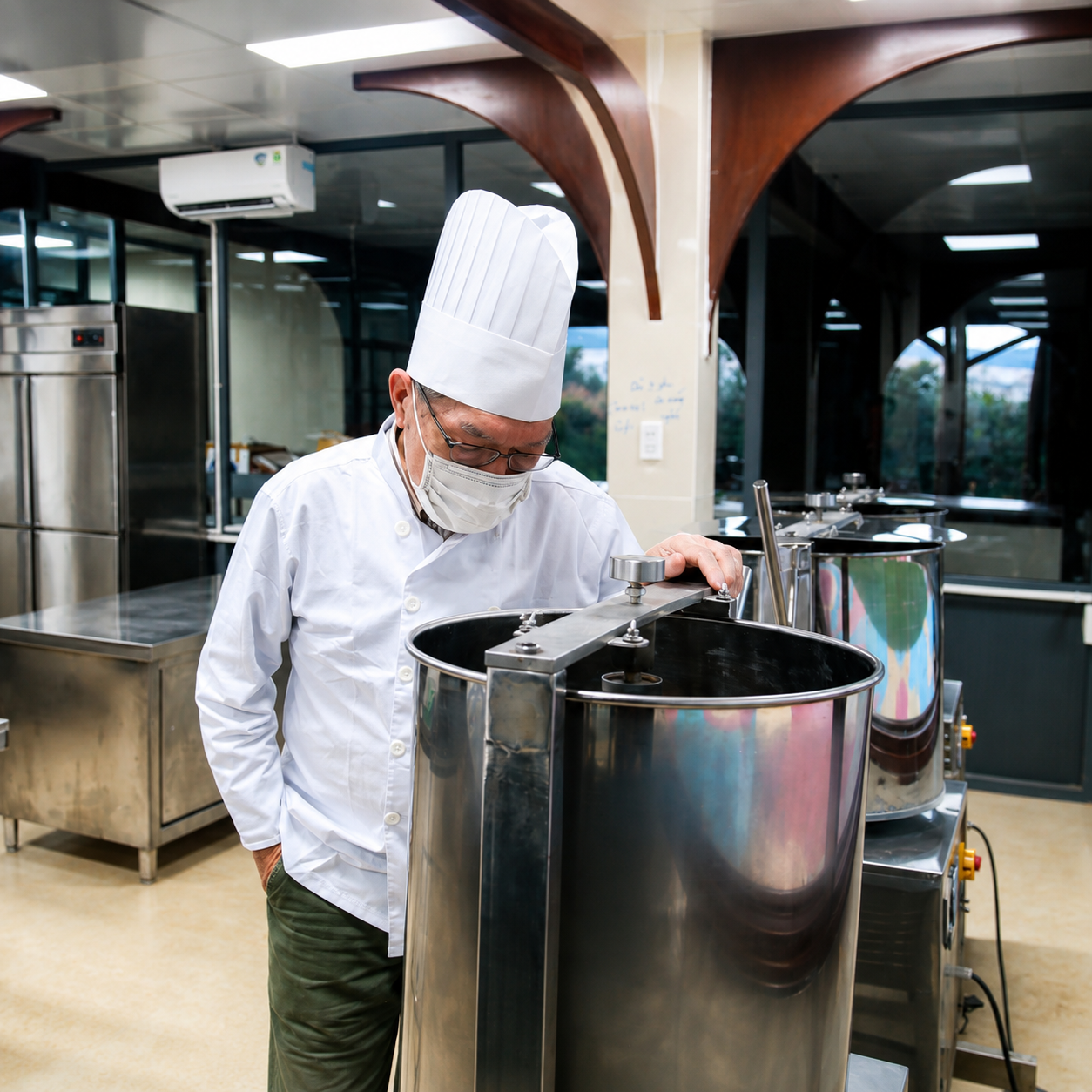
A great many chocolate brands on the shelf do not manufacture anything. They commission a factory to make a product to their formula and packaging. This piece sets out what the commonly-confused terms actually mean, the real sequence from brief to shipment, and the questions worth asking a factory before you sign.
OEM, ODM, private label — three terms, three meanings
| Term | What it actually means | Who owns the formula |
|---|---|---|
| OEM Original Equipment Manufacturing |
The buyer supplies the formula and technical specification; the factory produces to it. | The buyer |
| ODM Original Design Manufacturing |
The factory already has the formula; the buyer selects it, brands it, and may request minor adjustments. | The factory |
| Private label | A commercial term for selling under your own brand. Technically it is usually ODM. | Usually the factory |
This is not pedantry. It determines who owns the recipe when the relationship ends. A contract headed OEM that in practice uses the factory’s existing formula leaves the brand with nothing portable.
The actual sequence, in seven steps
01. Brief. Product type, target cacao percentage, flavour direction, price tier, destination market, projected volume.
02. Samples. The factory produces two or three options. This is where flavour is settled — not after the packaging has been printed.
03. Lock the formula and specification. Written up as a technical document: cacao content, cocoa butter, sugar, additives if any, unit weight, mould dimensions, target moisture, intended shelf life.
04. Packaging and labelling. Design, material, and most importantly label content that complies with the destination market.
05. Documentation. Product testing, product declaration, and for export: certificate of origin, health certificate, certificate of analysis.
06. Pilot run. A small batch on the real line. This step gets skipped to save time, and it is where most problems originate.
07. Full production. With a batch-level quality plan and retained samples.
02. Samples. The factory produces two or three options. This is where flavour is settled — not after the packaging has been printed.
03. Lock the formula and specification. Written up as a technical document: cacao content, cocoa butter, sugar, additives if any, unit weight, mould dimensions, target moisture, intended shelf life.
04. Packaging and labelling. Design, material, and most importantly label content that complies with the destination market.
05. Documentation. Product testing, product declaration, and for export: certificate of origin, health certificate, certificate of analysis.
06. Pilot run. A small batch on the real line. This step gets skipped to save time, and it is where most problems originate.
07. Full production. With a batch-level quality plan and retained samples.
The thing most often overlooked: is it actually chocolate
This is the single most important technical point in chocolate OEM, and it explains why factory quotes can differ so widely.
REAL CHOCOLATE
The fat in the product is cocoa butter — the natural fat pressed from the cacao bean itself. EU Directive 2000/36/EC requires dark chocolate to contain at least 35% total dry cocoa solids, of which at least 18% cocoa butter; milk chocolate at least 25%; white chocolate at least 20% cocoa butter. The directive permits a maximum of 5% other vegetable fats.
COMPOUND — NOT CHOCOLATE
Cocoa butter is replaced with cheaper vegetable fats (cocoa butter substitutes). The product costs far less, handles more easily and needs no tempering. In many markets it may not be labelled chocolate. If a quote comes in unusually low, this is the first question to ask.
Ten questions to ask before signing
01. Is the fat in the product cocoa butter, or a vegetable-fat substitute?
02. Where do the beans come from? Does the factory control fermentation, or buy beans already fermented by someone else?
03. Is the cocoa powder alkalized? What is the residual cocoa butter content?
04. What is the MOQ — per SKU, or across the whole order?
05. Lead time from approved sample to first delivery? How much longer with custom-printed packaging?
06. Which documents can the factory issue? (test results, product declaration, certificate of origin, health certificate)
07. Will you run a small pilot batch before full production?
08. What shelf life is declared, and on what basis?
09. What storage and transport conditions are required? Is refrigerated transport needed?
10. Who owns the formula when the contract ends?
02. Where do the beans come from? Does the factory control fermentation, or buy beans already fermented by someone else?
03. Is the cocoa powder alkalized? What is the residual cocoa butter content?
04. What is the MOQ — per SKU, or across the whole order?
05. Lead time from approved sample to first delivery? How much longer with custom-printed packaging?
06. Which documents can the factory issue? (test results, product declaration, certificate of origin, health certificate)
07. Will you run a small pilot batch before full production?
08. What shelf life is declared, and on what basis?
09. What storage and transport conditions are required? Is refrigerated transport needed?
10. Who owns the formula when the contract ends?
Questions 02 and 10 are the two least often asked, and the two that make the greatest difference later.
Export documentation
| Document | Purpose |
|---|---|
| Certificate of analysis | Demonstrates the product meets the declared food safety parameters. |
| Product declaration | Required in Vietnam before a product is placed on the market, under the prevailing food safety framework. |
| Certificate of origin | Establishes Vietnamese origin; directly affects import duty in the destination country. |
| Health certificate | Required by many markets for imported food. |
| Batch CoA | Travels with each shipment and is the buyer’s basis for verification. |
A note on the European market. Since the end of 2024, the EU Deforestation Regulation applies to cocoa beans and cocoa products. The seller must be able to demonstrate that the material did not originate from recently deforested land. If the EU is a target market, this belongs in the conversation at the briefing stage — not once the container is loaded.
What BALAVA can manufacture
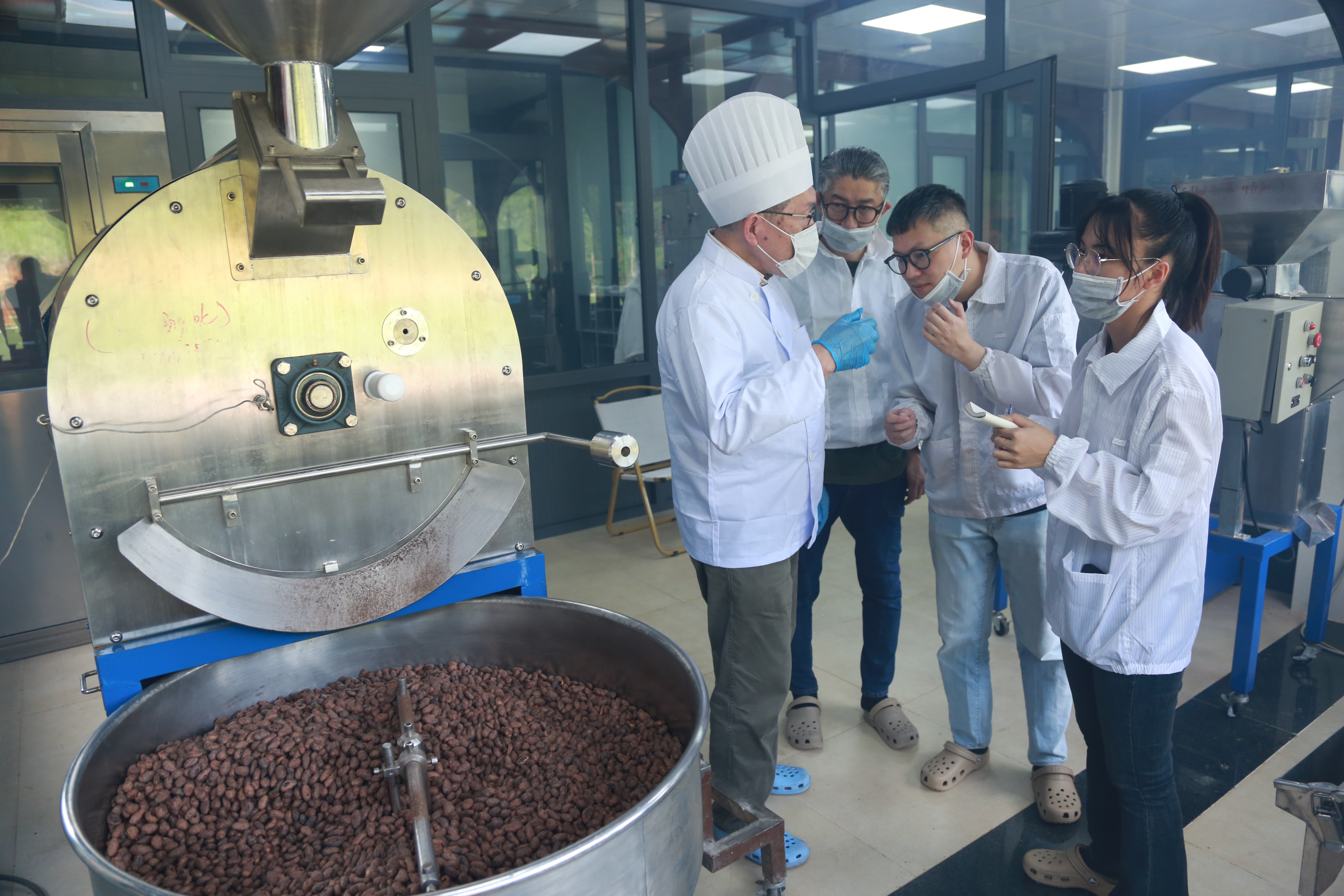
BALAVA controls the chain from bean to bar in its own workshop in Da Lat: pod selection, fermentation by the Nakano Mame method under controlled time and temperature, roasting, stone grinding, butter pressing, sifting and moulding. The raw material is cacao from Lam Dong. BALAVA is currently extending that control into cultivation, moving towards a farm-to-bar model.
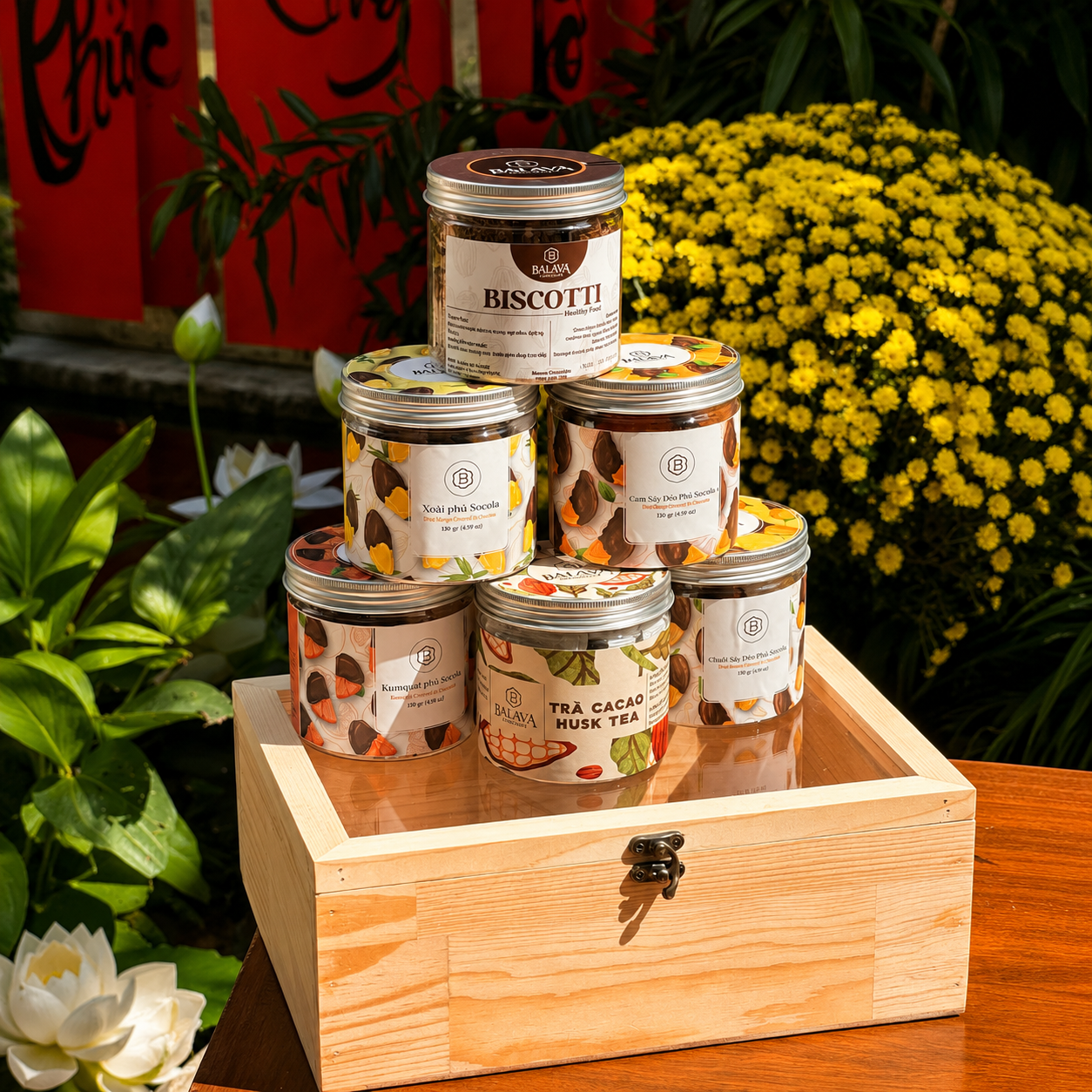
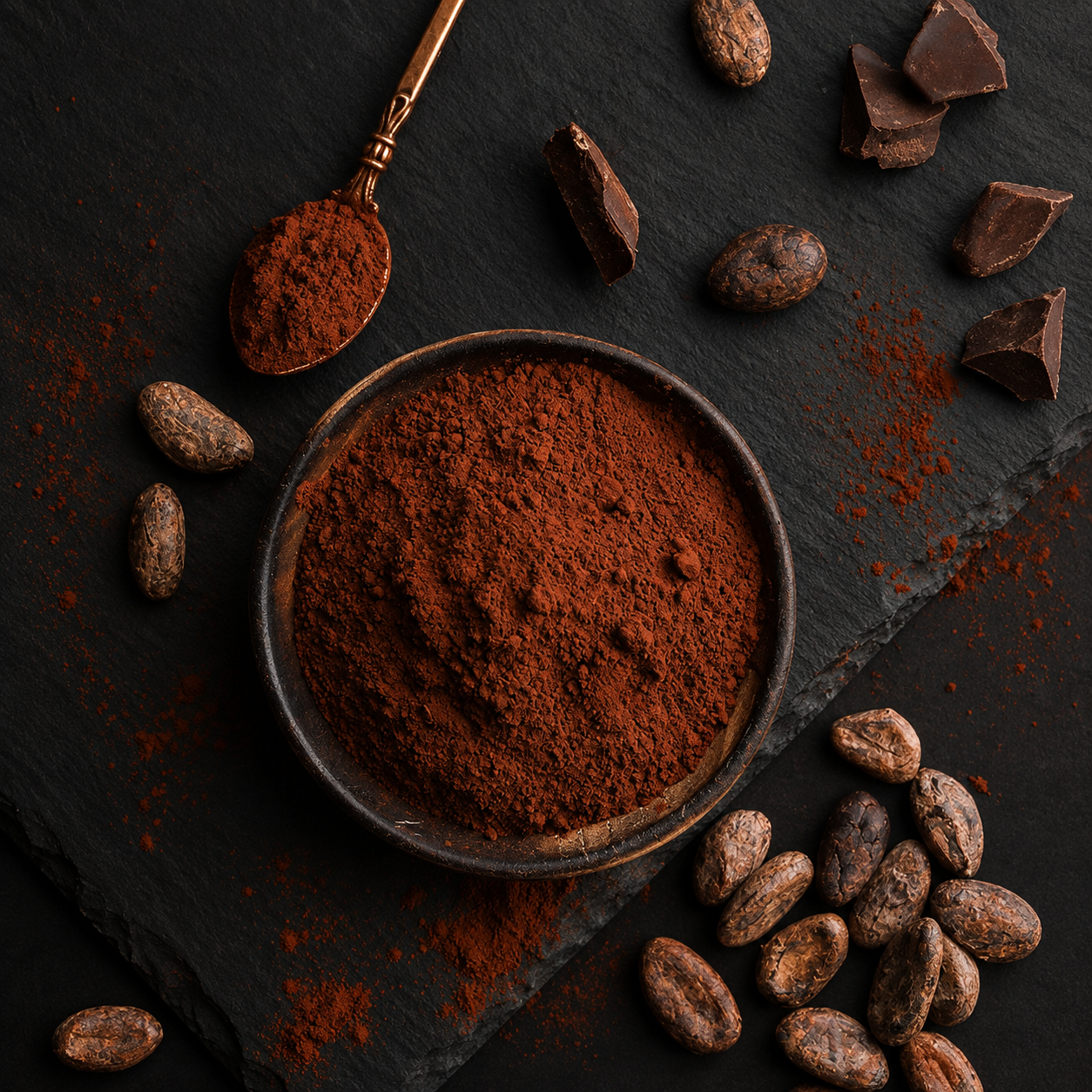
Confirmed specification for the cocoa powder line: non-alkalized, 22–25% cocoa butter. Manufacturing options include bars at a specified cacao percentage, cocoa powder, pure cocoa butter, roasted cacao beans, and gift sets in buyer-specified packaging.
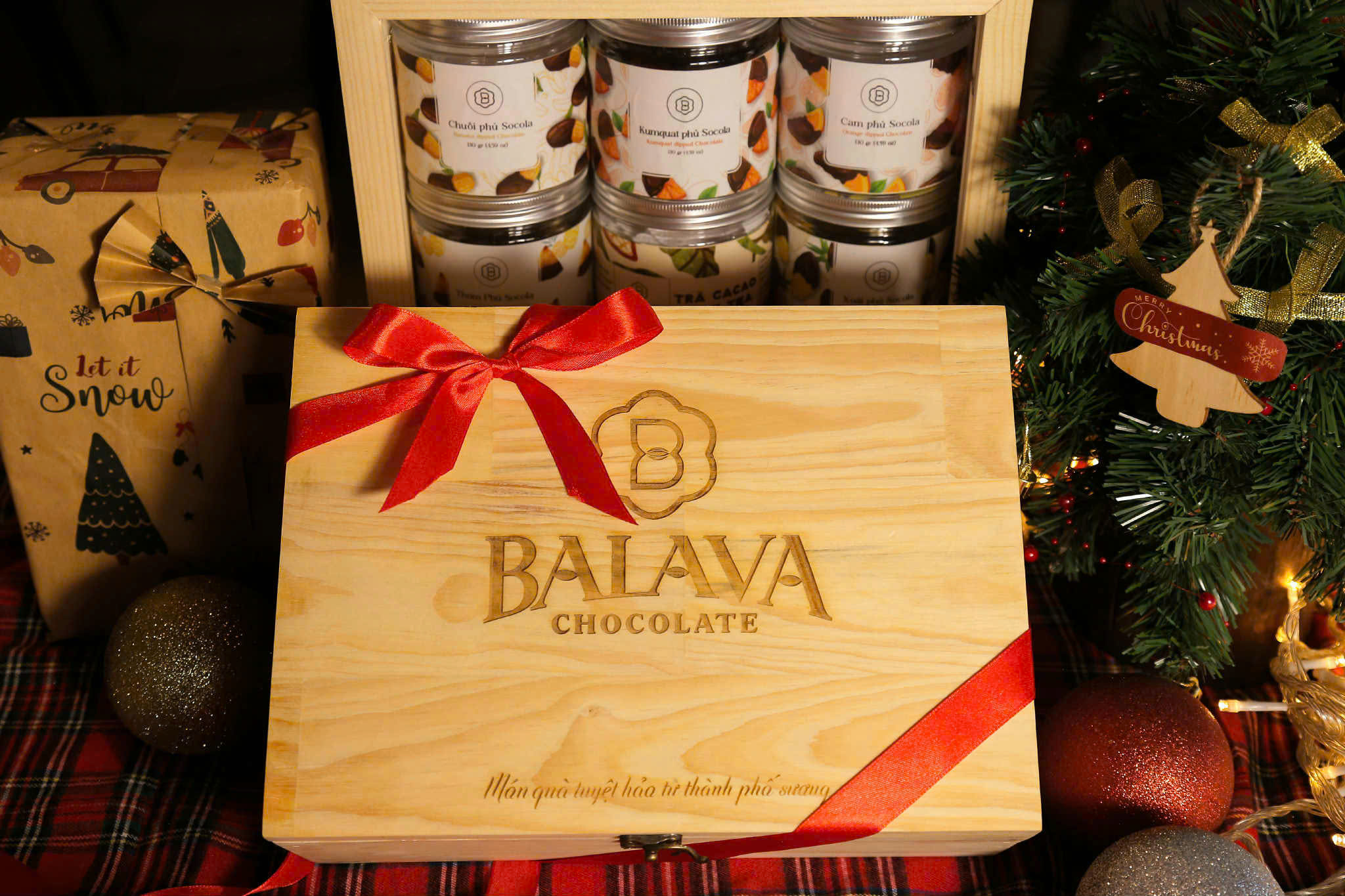
Three pieces of information make a quote fastest: product type and target cacao percentage, projected volume for the first run, and the destination market. The last of these determines most of the labelling and documentation requirements.
Talk to BALAVA
Wholesale pricing, private label, samples and export documentation — we answer in English.
Sources. Chocolate composition definitions: Directive 2000/36/EC of the European Parliament and of the Council relating to cocoa and chocolate products intended for human consumption. EU Deforestation Regulation: applies to cocoa beans (HS 1801) and cocoa products, in application from the end of 2024. BALAVA product specifications are supplied by BALAVA; parameters not published (pH value, moisture, particle size distribution, production volume) are not stated here. Specific documentation requirements vary by market and change over time — confirm with the relevant authority and the importing partner before proceeding.
Other review products