Something has quietly changed in how people travel: standing in front of a landmark and photographing it is no longer enough. Travellers increasingly want to go home with something they made themselves — and Vietnam is catching up with that shift faster than most observers expected.
21.2 millioninternational arrivals in Vietnam, 2025 — up more than 20%
4.3 millionKorean arrivals, among the largest source markets
65%of experience travellers say experiences significantly influence destination choice
The evidence for the shift
Arival’s 2025 U.S. Experiences Traveler Outlook, based on 2,400 travellers, found that 65% of experience travellers say experiences play a significant part in choosing where to go. More striking still: among 18- to 54-year-olds, roughly two-thirds rated experiences, food and available activities as very or extremely important in that decision.
The implication is a reversal of the old order. Experiences are no longer what travellers look for after picking a destination — they are increasingly what picks the destination.
The same survey identified the three fastest-growing categories for 2025: culinary experiences, meeting local people, and special-interest tours. All three share a feature. The visitor takes part rather than watches.
A limitation worth stating. The Arival survey covered travellers in Europe and the United States only. It is a reasonable indicator of direction, not a measurement of Asian source markets. We cite it as evidence of a trend, not as a figure that can be applied directly to Korean or Vietnamese travellers.
Vietnam in 2025
2025 was a record year for Vietnamese tourism. International arrivals reached 21.2 million — the first time above 21 million — an increase of more than 20% on the previous year. Domestic trips came to approximately 135.5 million. Total tourism revenue passed one million billion dong for the first time. The target for 2026 is around 25 million international arrivals.
Korea alone accounted for 4.3 million arrivals, placing it among Vietnam’s largest source markets. This is a segment with a clear profile: small groups or families, moderate stay length, and particular interest in activities that are worth sharing and in gifts to bring home.
Rapid growth raises a question many destinations have not answered. When arrivals rise, what makes visitors stay longer and spend more, rather than photograph and move on? Experiences with real depth are one of the more plausible answers.
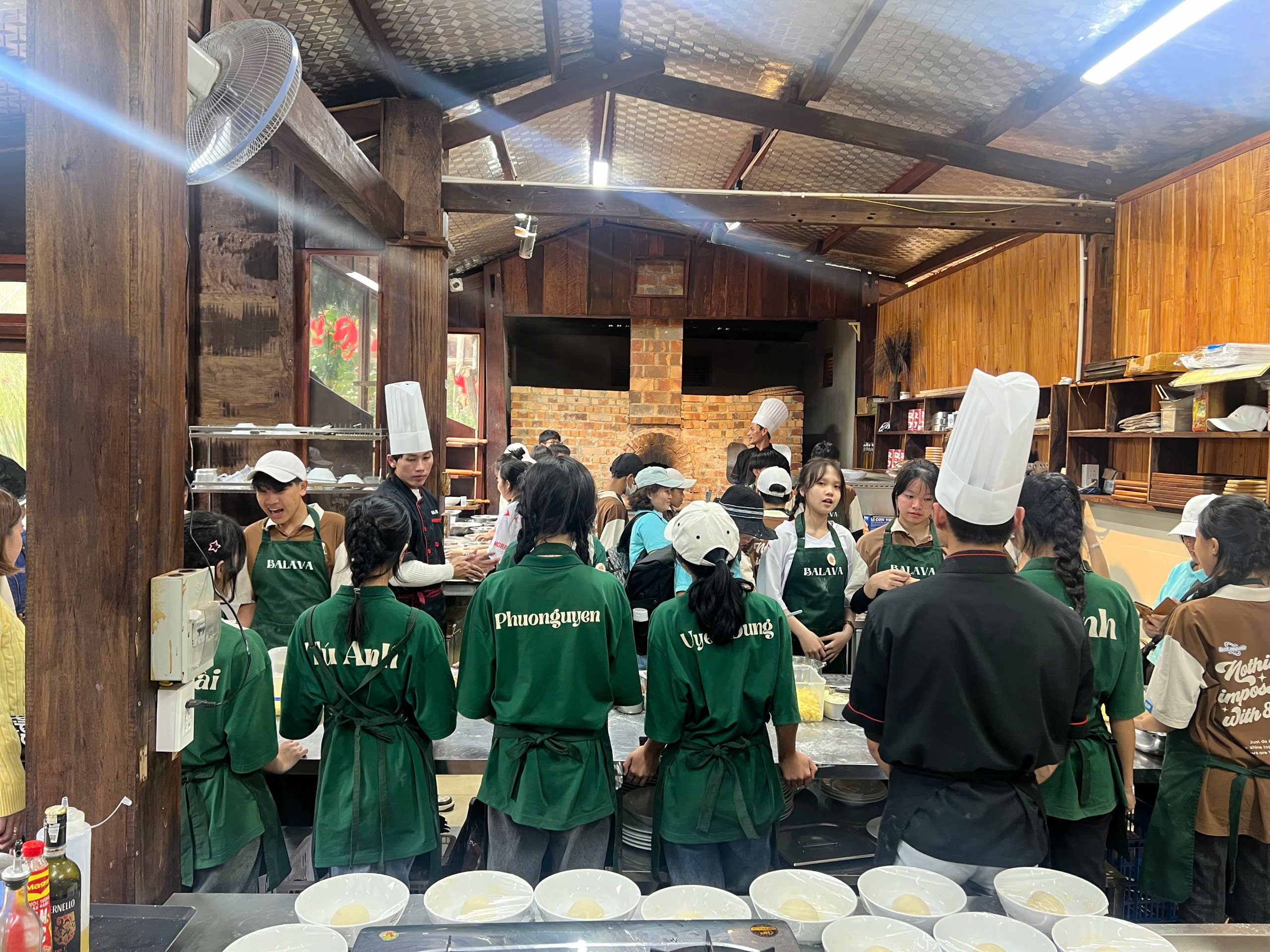
Why culinary experiences lead the category
| Advantage | Why it matters |
|---|---|
| Low barrier | No fitness, skill or equipment required. Children, older travellers and anyone unused to physical activity can take part — which matters a great deal for family groups. |
| You leave with something | The visitor goes home with a physical object they made. It is simultaneously a souvenir and a gift, extending the value of the experience well past the trip. |
| Weather-independent | It happens under a roof. In Da Lat, where rain arrives without notice, that makes it a genuinely valuable fallback in an itinerary. |
| Crosses the language barrier | Manual work can be taught by demonstration. A visitor with no Vietnamese can follow along completely — something a narrated tour cannot deliver. |
The chocolate workshop at BALAVA
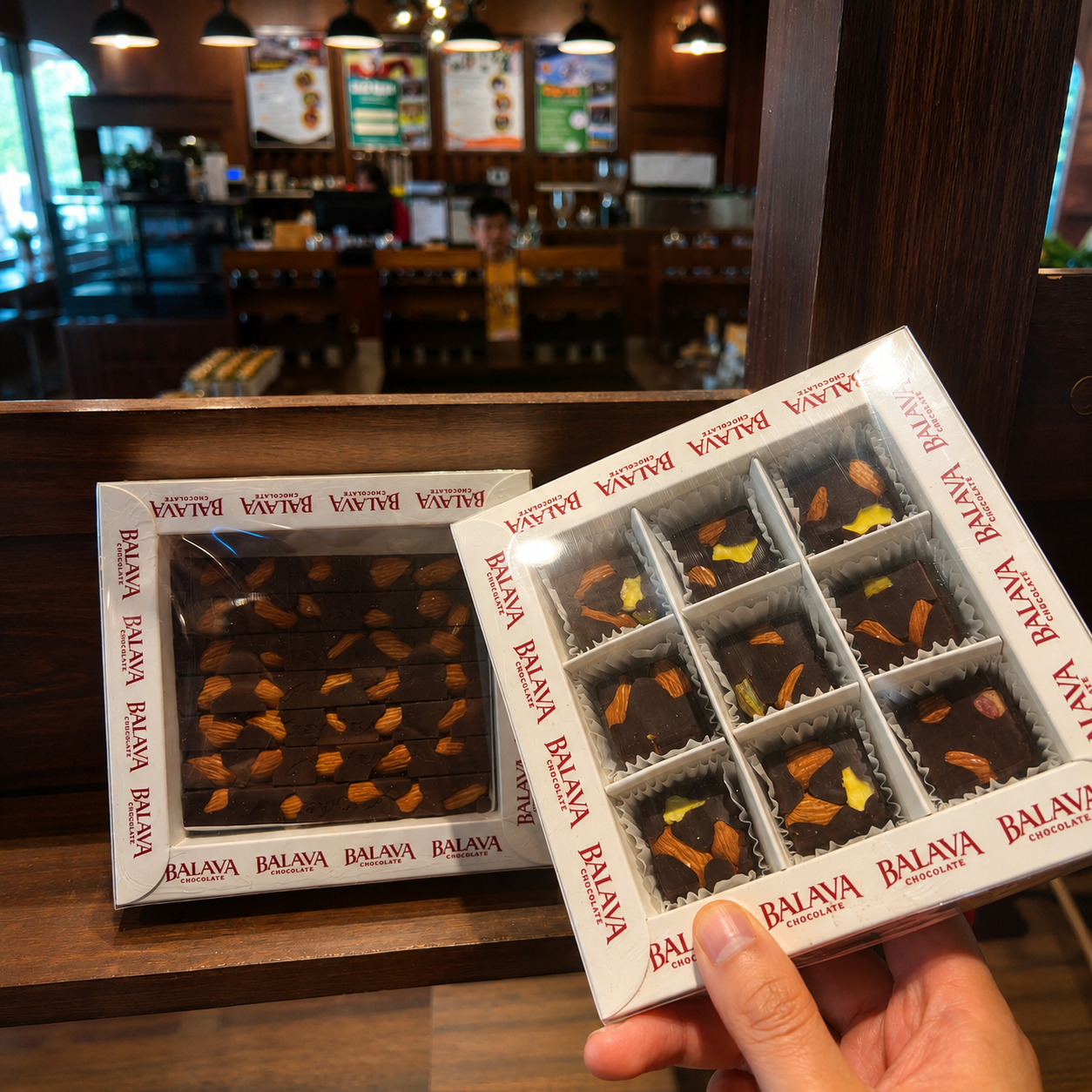
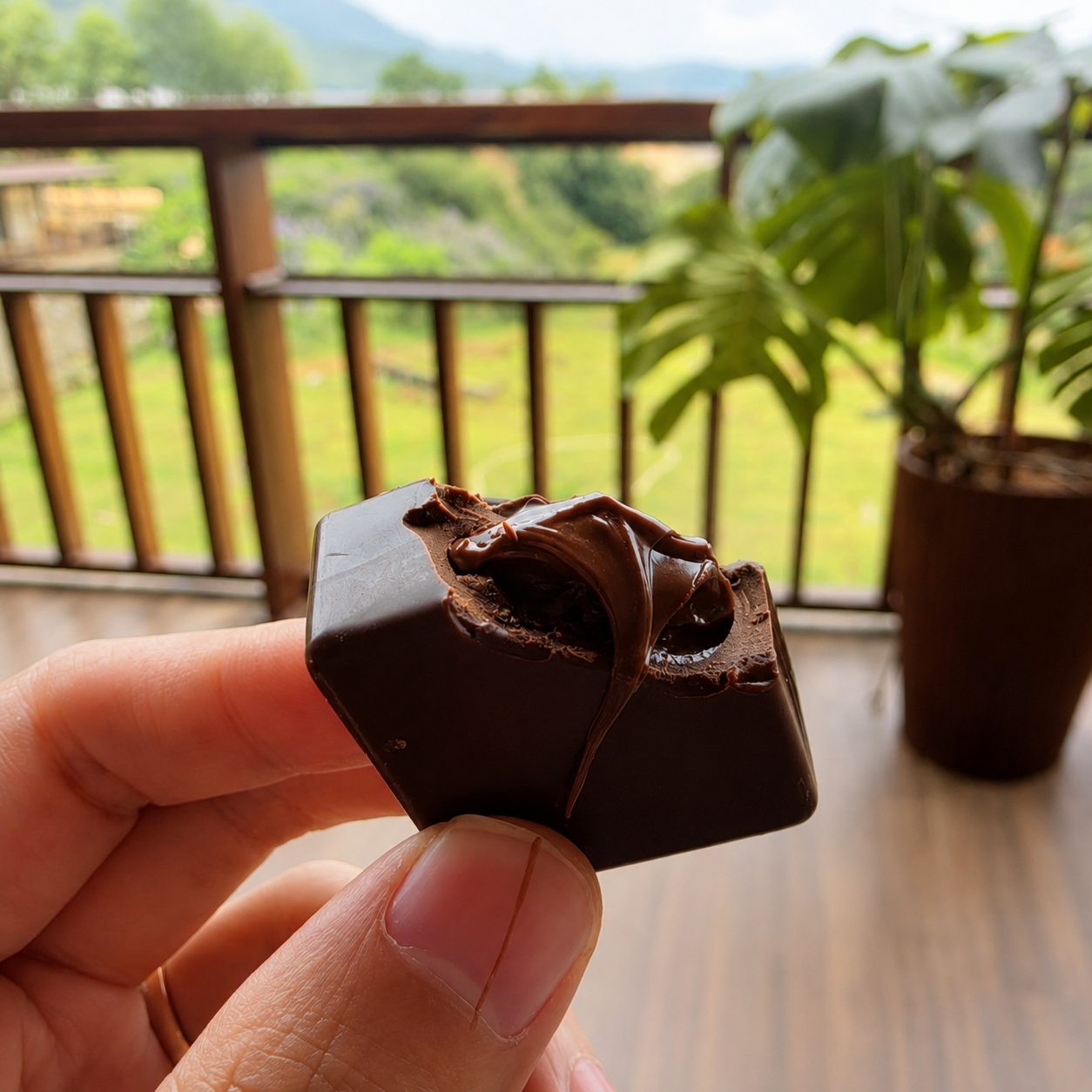
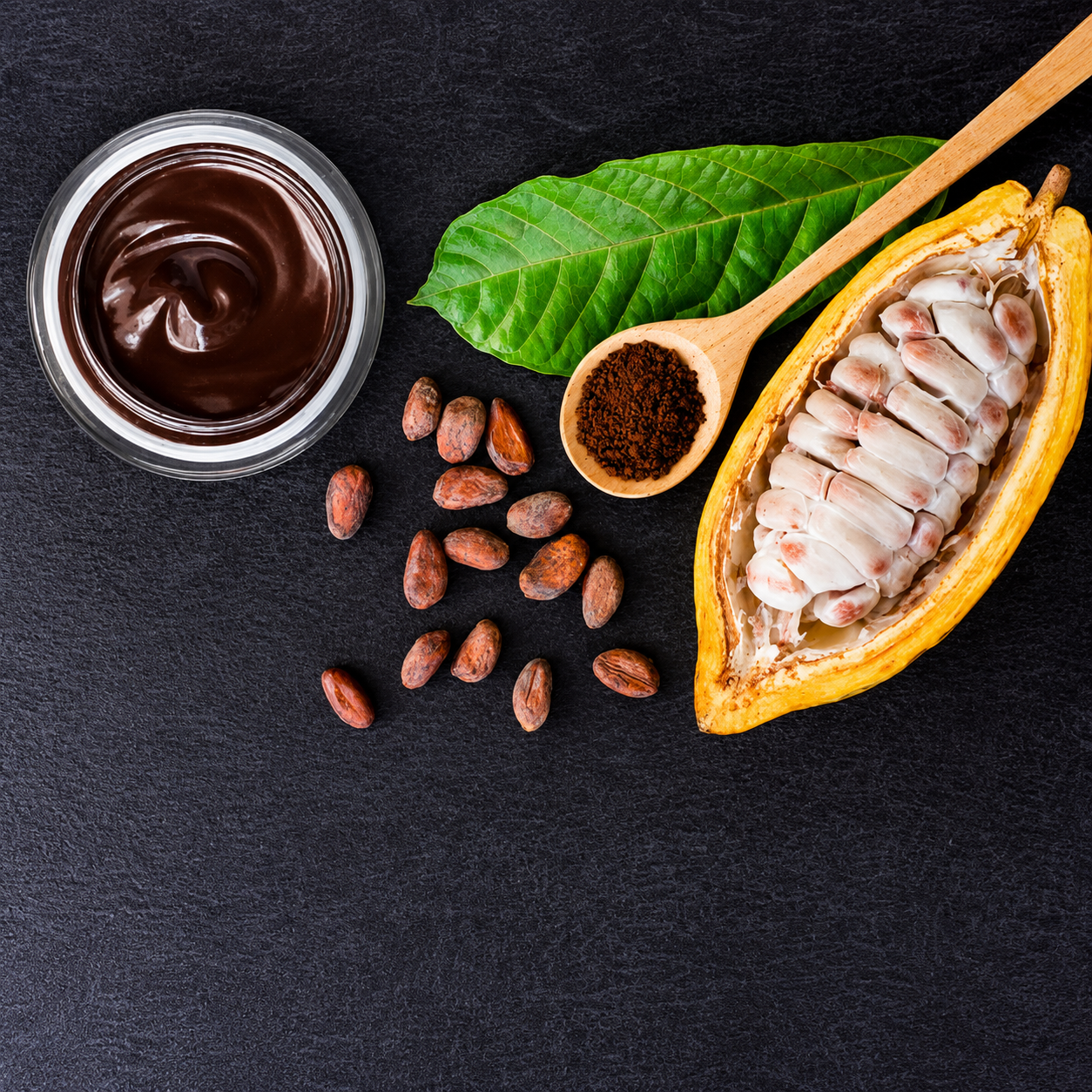
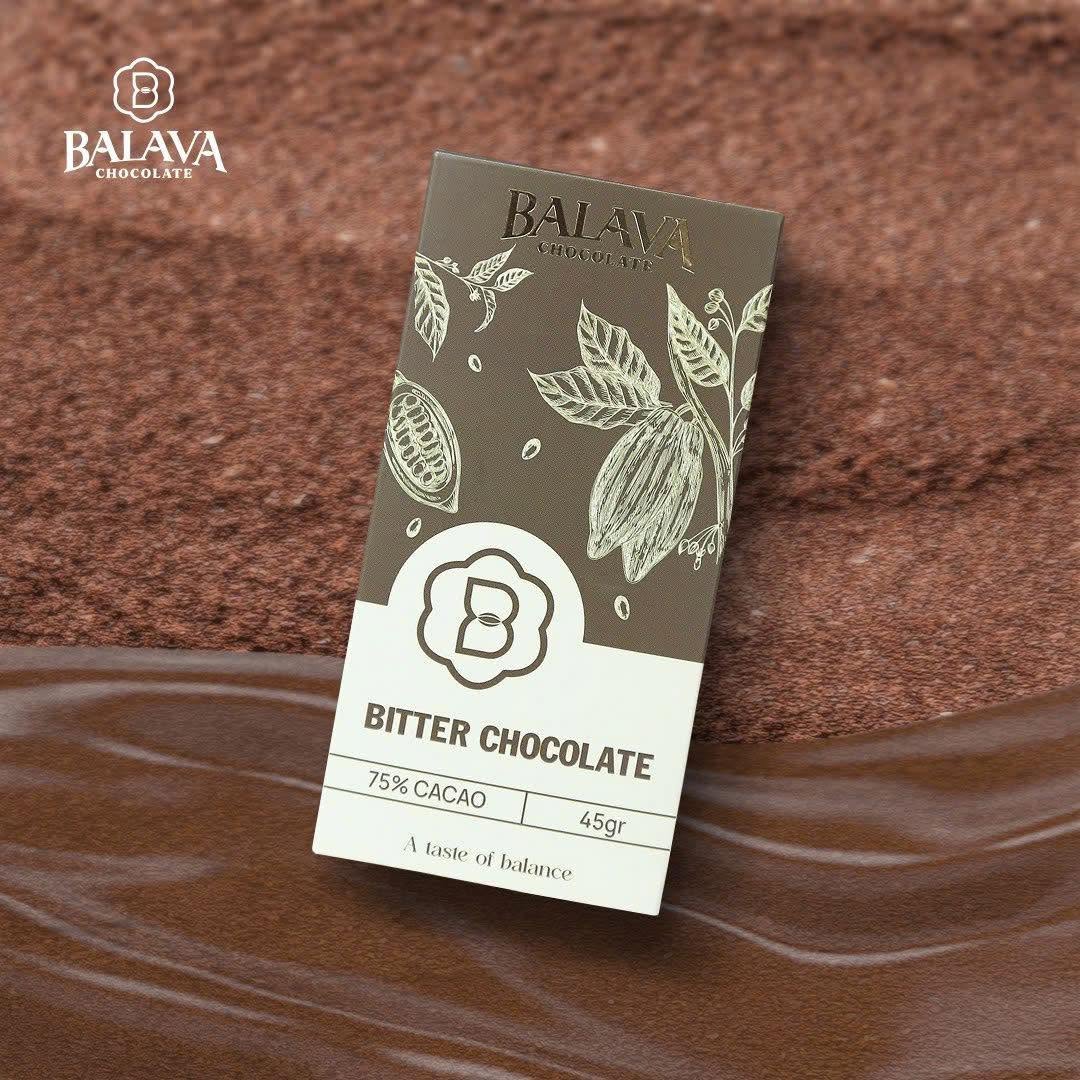
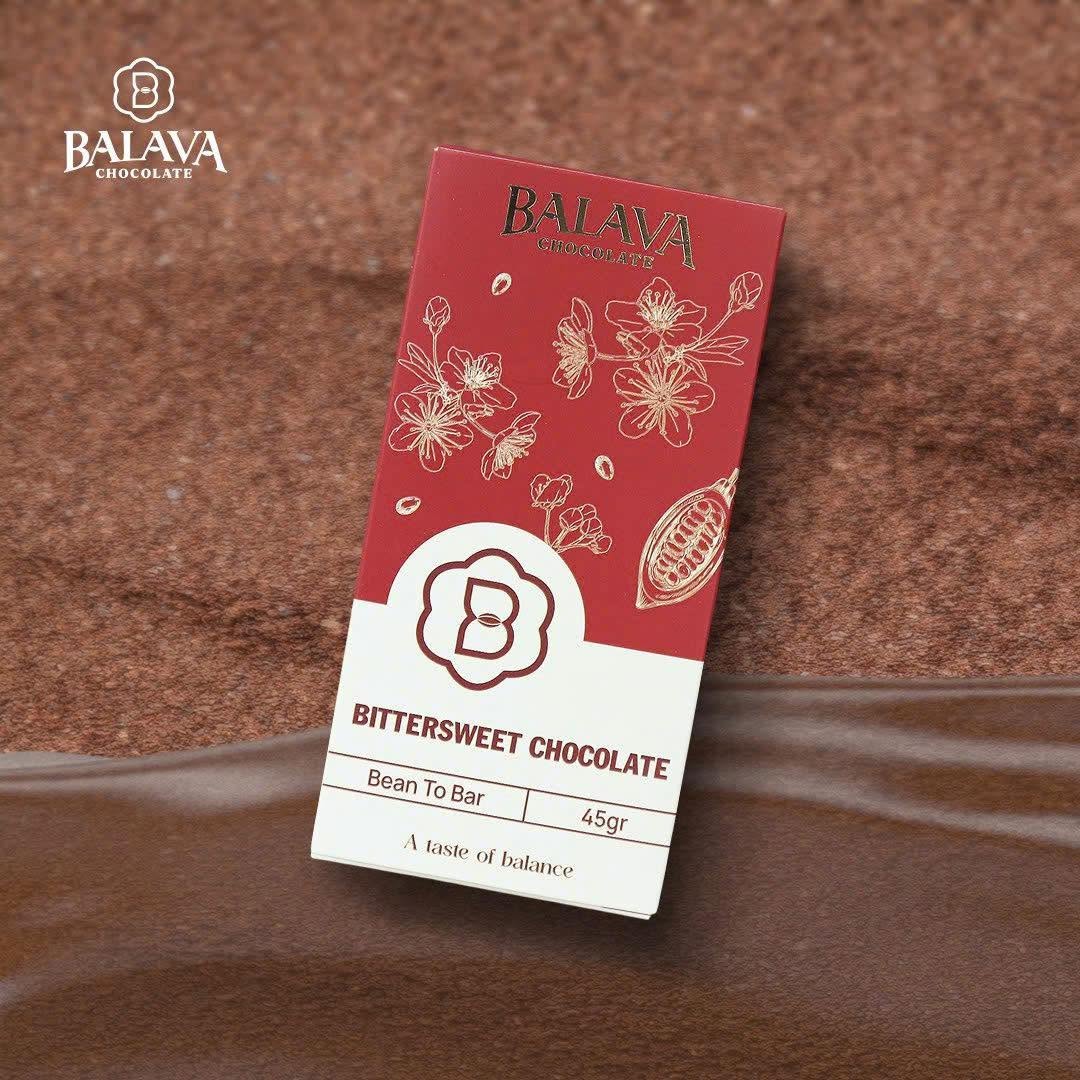
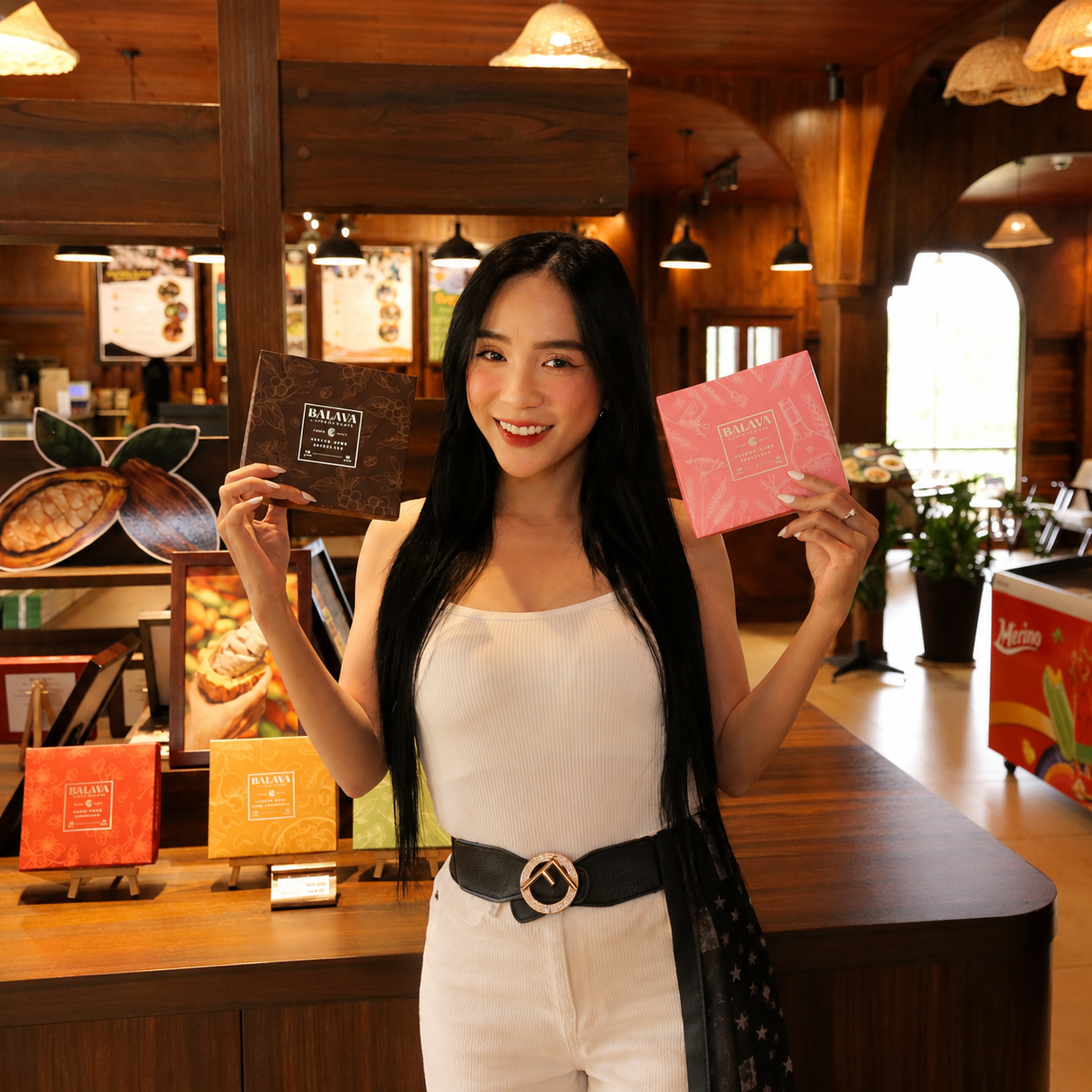
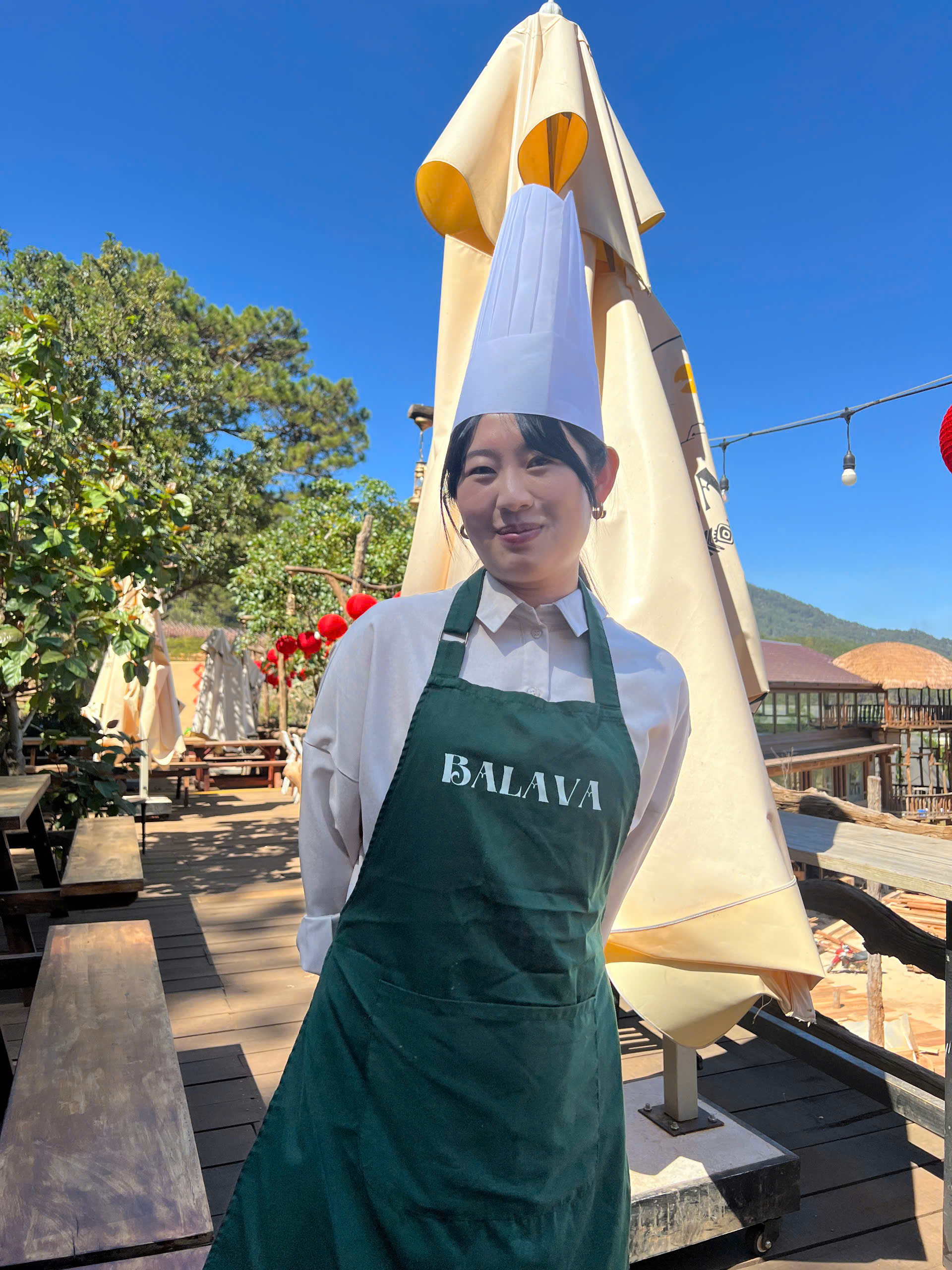
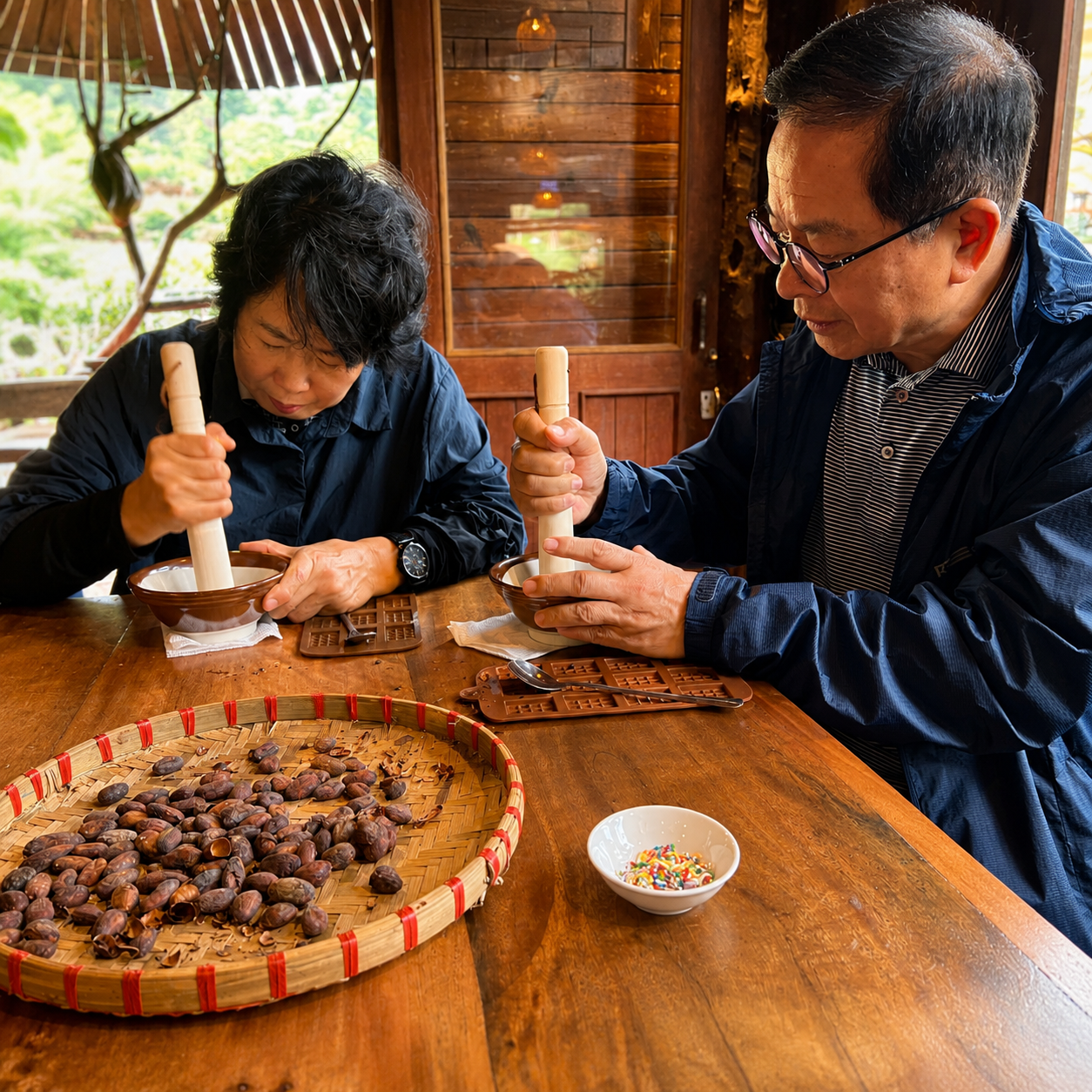
In Da Lat, BALAVA runs a workshop where visitors make chocolate themselves, starting from the bean. They roast the beans in a pan, grind them by hand on a stone mill, then mould the finished chocolate and take it home.
What separates this from a demonstration is that the visitor actually touches every stage. The way the beans change colour and release their aroma as they roast, the weight of the stone mill under your hands, the mass gradually thickening — none of that transmits through words or video.
For international visitors there is a second thing to take away. Cacao is grown in Lam Dong, in Vietnam. A great many people arrive not knowing that, and the workshop is where they find out.
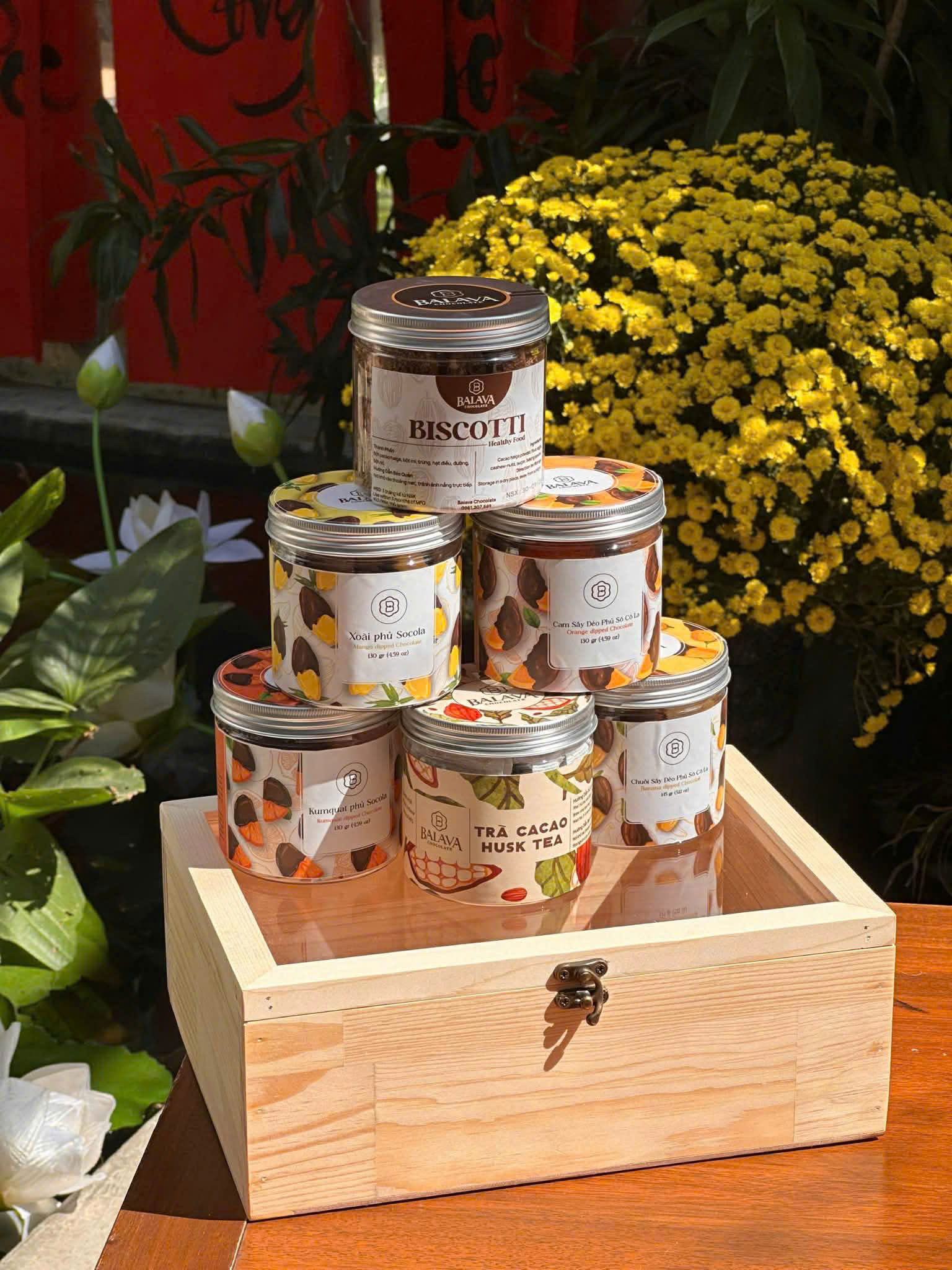
Talk to BALAVA
Wholesale pricing, private label, samples and export documentation — we answer in English.
Sources. Experience-travel figures: Arival, 2025 U.S. Experiences Traveler Outlook, based on 2,400 respondents in Europe and the United States — the geographic limitation is stated above. Vietnamese tourism figures for 2025 (21.2 million international arrivals, approximately 135.5 million domestic trips, tourism revenue exceeding one million billion dong) and the 2026 target of around 25 million follow Vietnam National Authority of Tourism reporting. The figure of 4.3 million Korean arrivals is from the same reporting. Workshop content is as operated by BALAVA.
Other review products