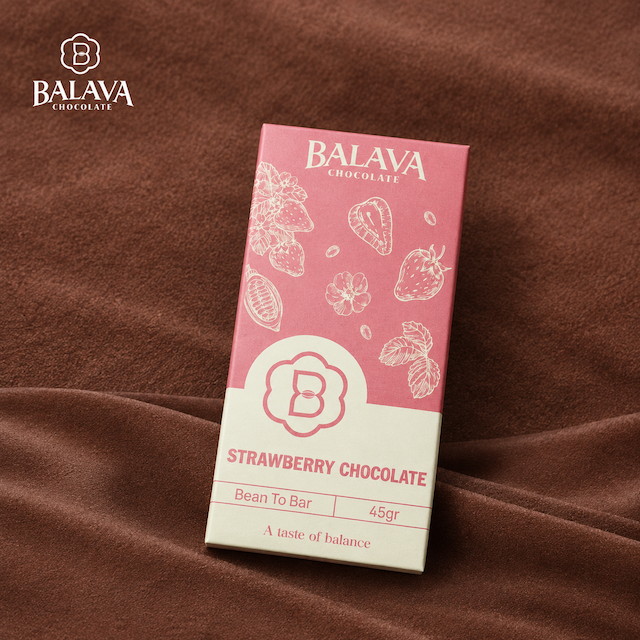
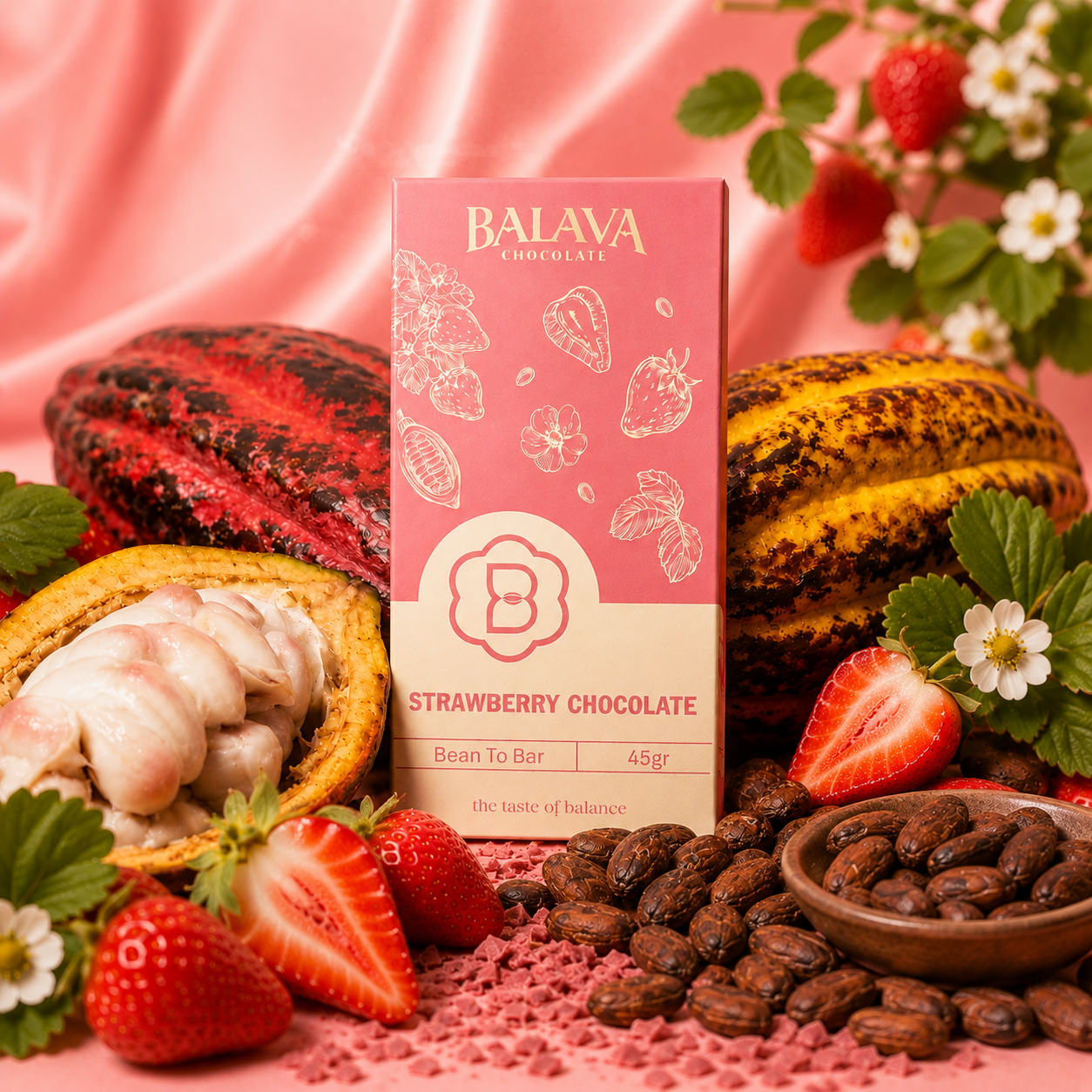
More than six hundred strawberry cultivars are grown commercially worldwide. Each has its own flavour profile, texture and season — and not all of them pair well with cacao. Firmness, acid balance and aromatic complexity decide that, and they vary far more between cultivars than most buyers assume.
600+strawberry cultivars in commercial production
~80%of Korean strawberry output is Seolhyang
17–22°Caverage Da Lat temperature — comparable to temperate growing regions
American cultivars — the industry foundation
The United States, and California in particular, built the modern strawberry industry through breeding programmes at UC Davis.
| Cultivar | Character |
|---|---|
| Chandler | Mid-season, large fruit, deep red, sweetness balanced by moderate acidity. Firm flesh makes it particularly well suited to processing and chocolate coating. |
| Albion | Everbearing, fruiting in several flushes through the year. Milder sweetness, thick flesh, aimed at the premium fresh market. |
| Camarosa | Also from UC Davis. Holds a large share of US export volume thanks to shelf life, though it does not reach the peak flavour of Chandler or Albion in main season. |
Japanese cultivars — the premium benchmark
Japan pushed strawberry quality onto a different plane, demanding absolute uniformity of size, colour and sweetness fruit by fruit. Several Japanese cultivars have become global reference points for the premium category.
| Cultivar | Character |
|---|---|
| Amaou (あまおう) | From Fukuoka. Large, round, bright red. Intensely sweet with low acidity. Among the most expensive cultivars on the Japanese market; gift boxes reach remarkable prices. |
| Tochiotome | From Tochigi. Balanced sweet-sour profile, attractive red, firm texture. Favoured in patisserie and preserve production for its stability. |
| Benihoppe (紅ほっぺ) | Deep sweetness, softer flesh than Tochiotome, darker red. Widely grown in both Japan and Korea, and a regular in New Year gift sets. |
Korean cultivars — from import to independence
Korea is the clearest recent example of a country breeding its way to self-sufficiency. Domestic cultivars now reach export quality, and Korea has built its own standing in the Asian premium market.
Seolhyang (설향) accounts for roughly 80% of Korean strawberry production. Large, conical, balanced sweet-sour, and robust enough to travel — which is why it is the Korean strawberry most often seen in Vietnamese supermarkets.
Jukhyang (좱향), “bamboo fragrance”, is Korea’s premium cultivar. Smaller than Seolhyang but markedly more complex aromatically, with deep sweetness and gentle acidity. The name comes from a natural scent reminiscent of green bamboo. This is the one connoisseurs choose for fresh eating and for pairing with fine chocolate.
European cultivars — flavour heritage
| Cultivar | Character |
|---|---|
| Gariguette | The French icon. Elongated, orange-red, intensely aromatic with deep sweet-sour balance. Grown traditionally in southern France and a fixture on fine-dining menus. |
| Elsanta | Dutch, and dominant in European supermarkets for its appearance and keeping quality, though less aromatically complex than Gariguette. |
| Mara des Bois | French, and notable for an aroma recalling wild woodland strawberry. Exceptionally good with high-percentage dark chocolate, because both ingredients bring aromatic complexity rather than just sweetness. |
And Da Lat
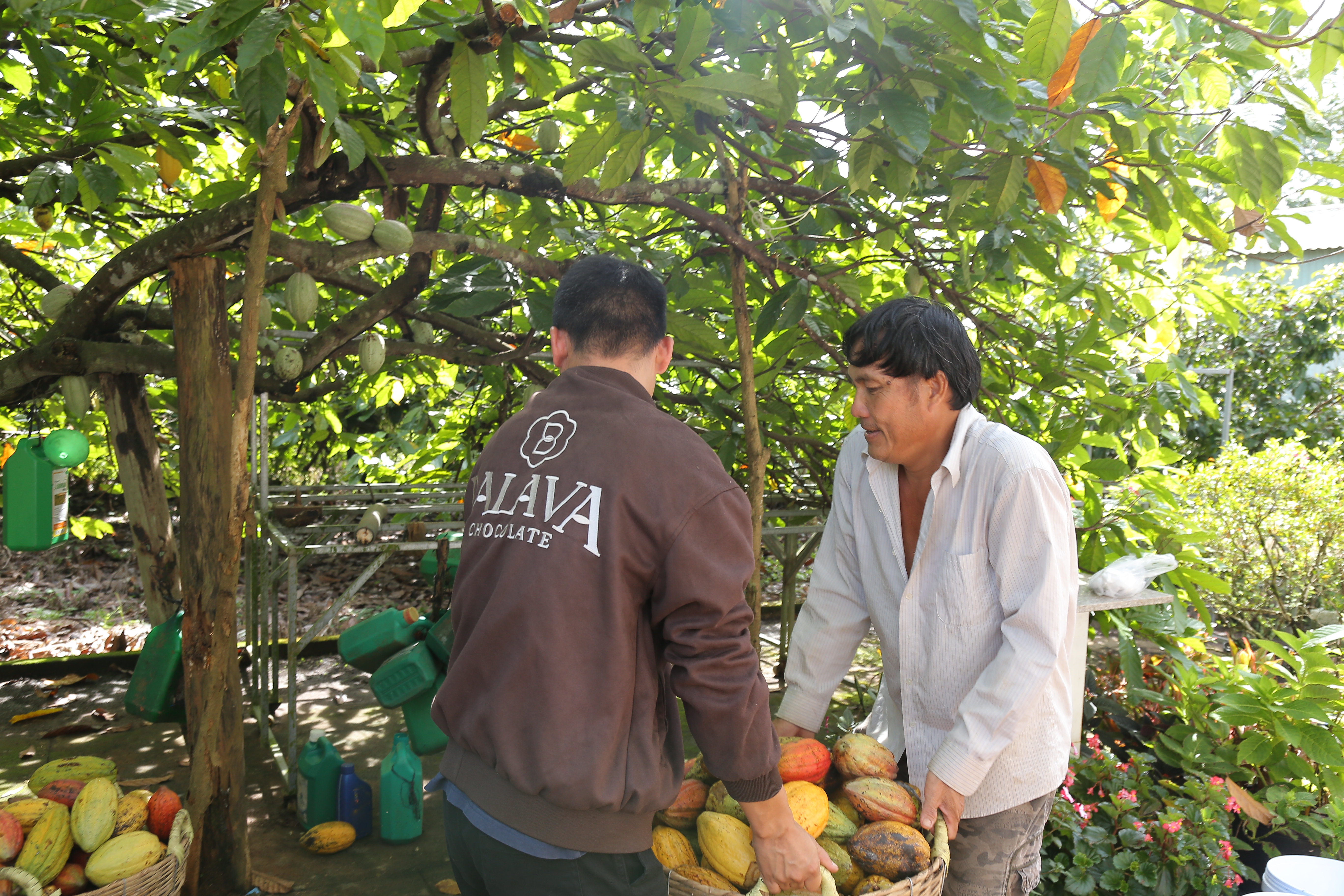
Da Lat is Vietnam’s principal strawberry region, on the strength of a highland climate averaging 17–22°C — close to temperate growing conditions. Local growers work mainly with imported Japanese and American cultivars, Albion being the most widespread because it fruits year-round.
The distinguishing characteristic of Da Lat fruit is a higher natural sweet-sour intensity than imported berries at comparable ripeness. The reason is the day-night temperature swing, which increases accumulation of both sugars and organic acids in the fruit. For chocolate work that matters directly: acidity is what cuts cocoa butter, so a berry that carries more of it holds up better under a coating.
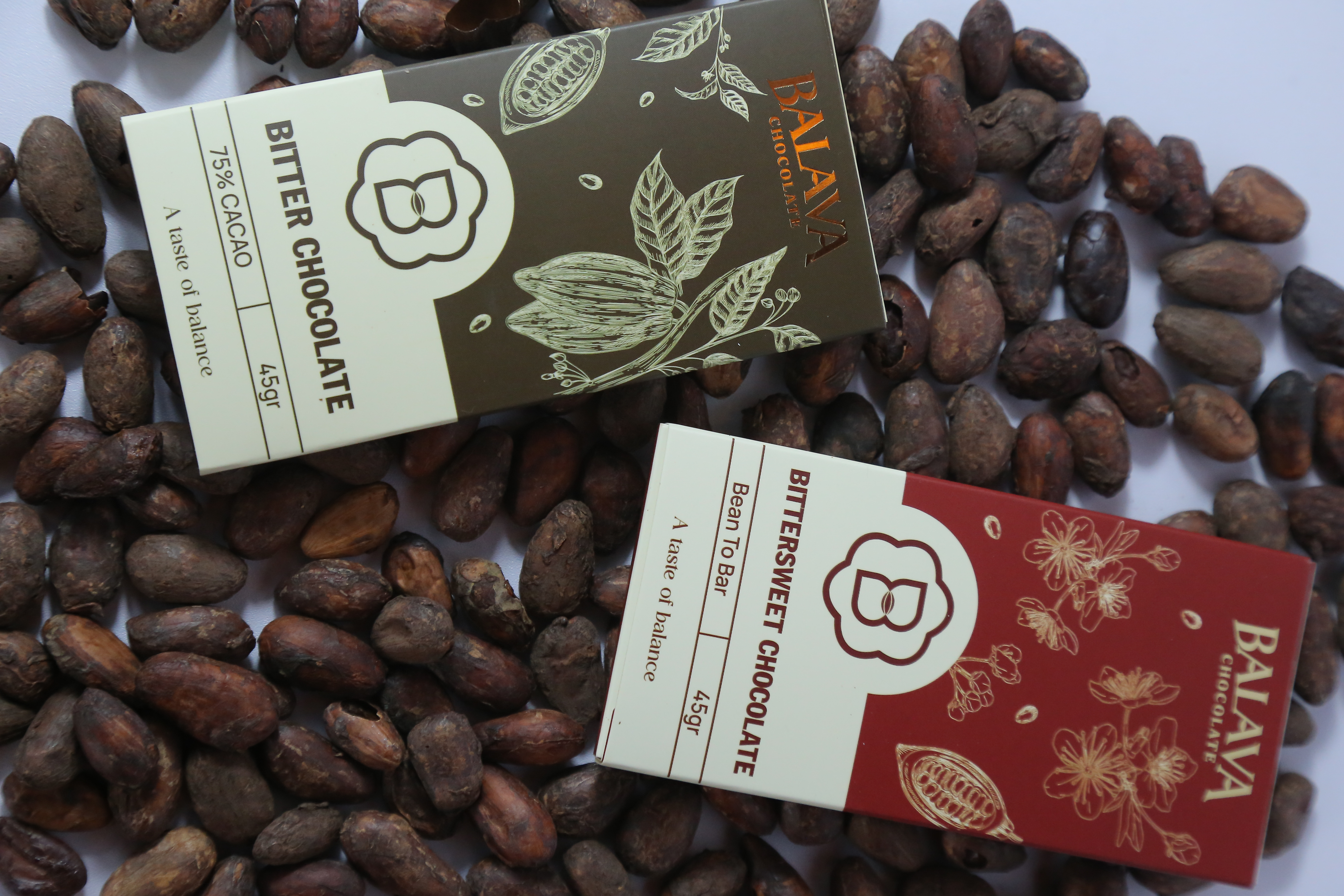
Which pairing for which chocolate. Firm, moderately acidic cultivars such as Chandler suit coating work. Aromatically complex cultivars — Jukhyang, Gariguette, Mara des Bois — are better served alongside high-percentage dark chocolate, where neither ingredient has to shout over the other. Very sweet, low-acid cultivars such as Amaou are usually better eaten alone.
Talk to BALAVA
Wholesale pricing, private label, samples and export documentation — we answer in English.
Sources. Cultivar characteristics and breeding origins follow published horticultural descriptions from the respective breeding programmes and national agricultural bodies. The approximately 80% share for Seolhyang in Korean production and Da Lat’s average temperature range are as generally reported. Pairing recommendations reflect BALAVA production practice and are a matter of judgement rather than measurement. BALAVA does not grow strawberries; fruit is sourced locally in Lam Dong.
Other review products