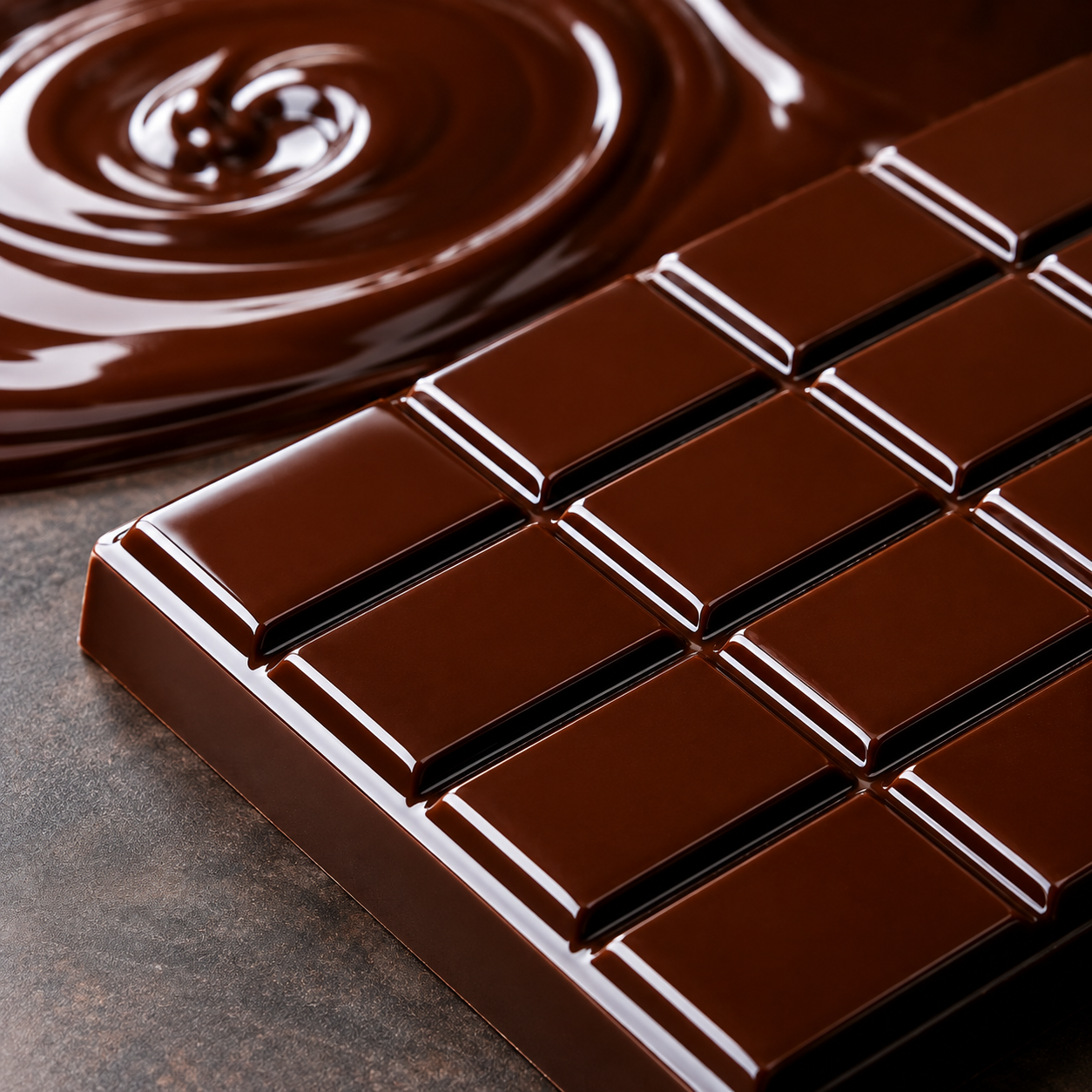
Cocoa butter is the reason chocolate melts in the mouth and not in the hand. It is also the reason chocolate can be moulded, tempered and given a glossy snap. Understanding it explains most of what chocolate does.
34–36°C
melting range — just below body temperature
~50%
of cocoa mass is fat
3 sectors
food, cosmetics and pharmaceuticals
What It Is
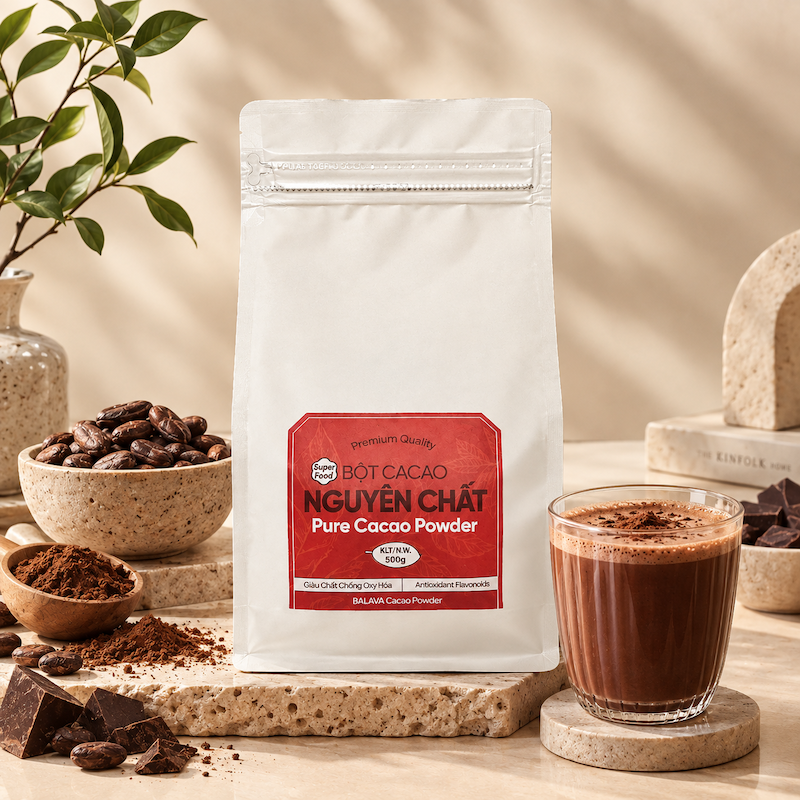
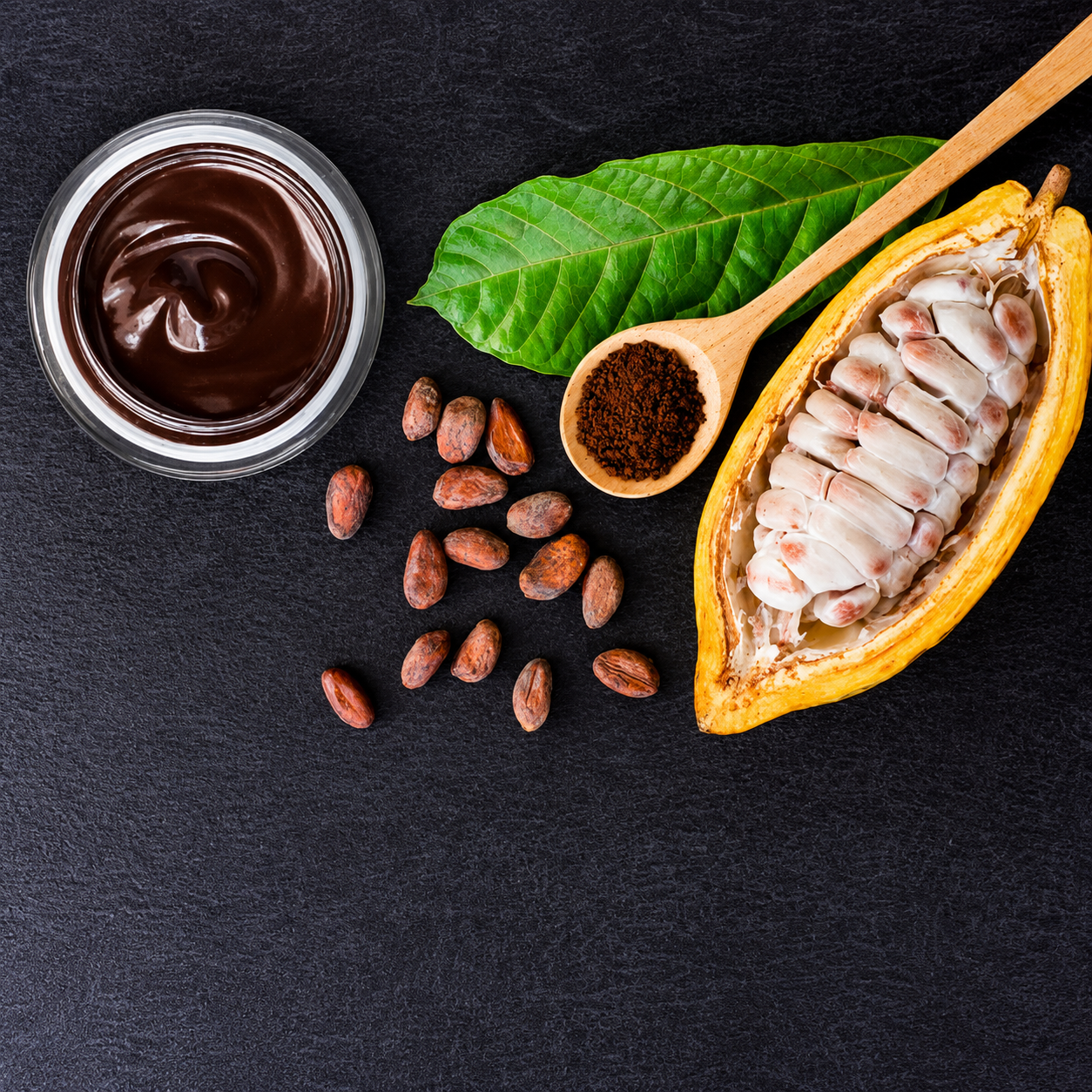
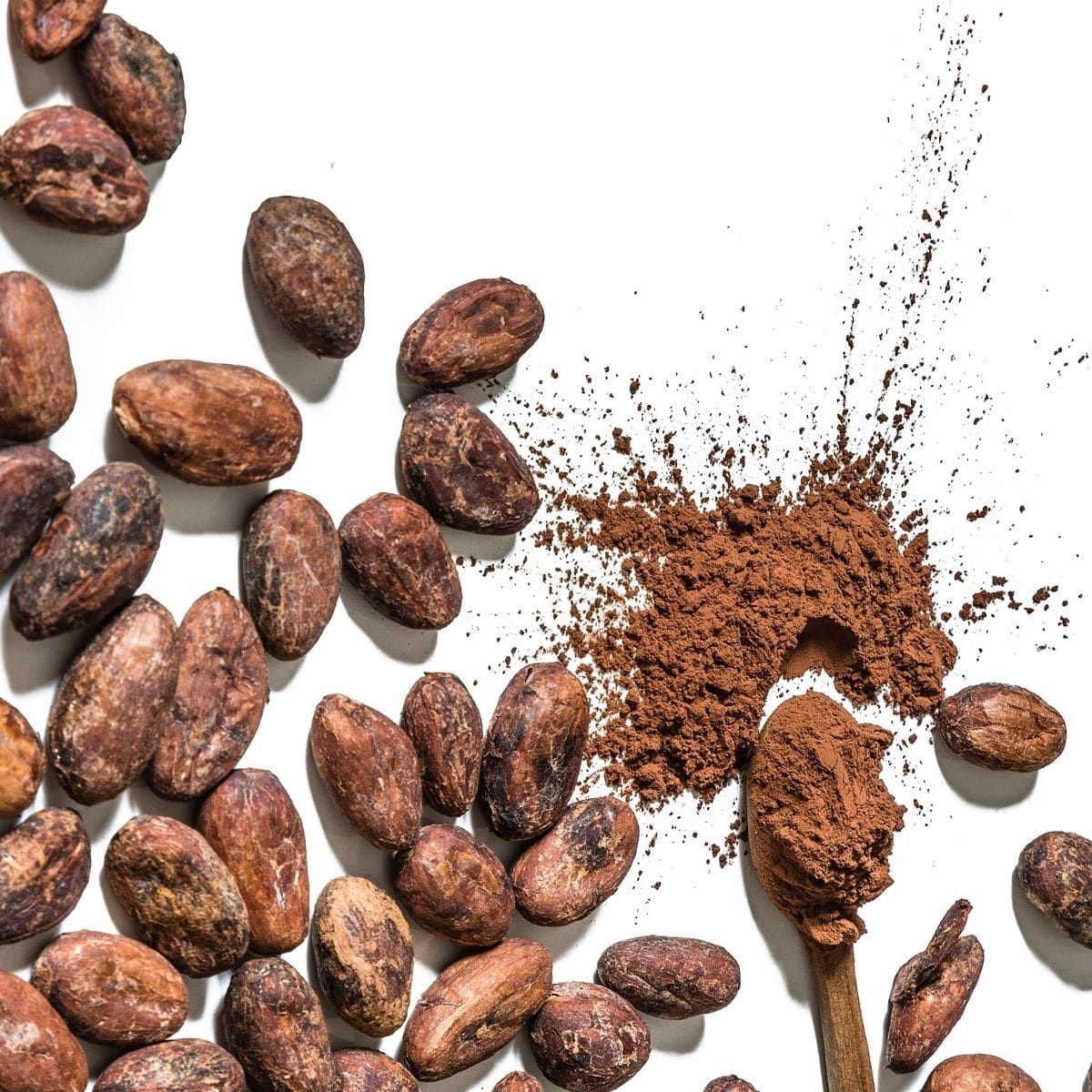
Cocoa butter is the natural fat of the cacao bean. Cocoa mass — nibs ground to a liquid — is roughly half fat by weight. Pressing that mass separates the butter from the solids, leaving press cake that is milled into cocoa powder.
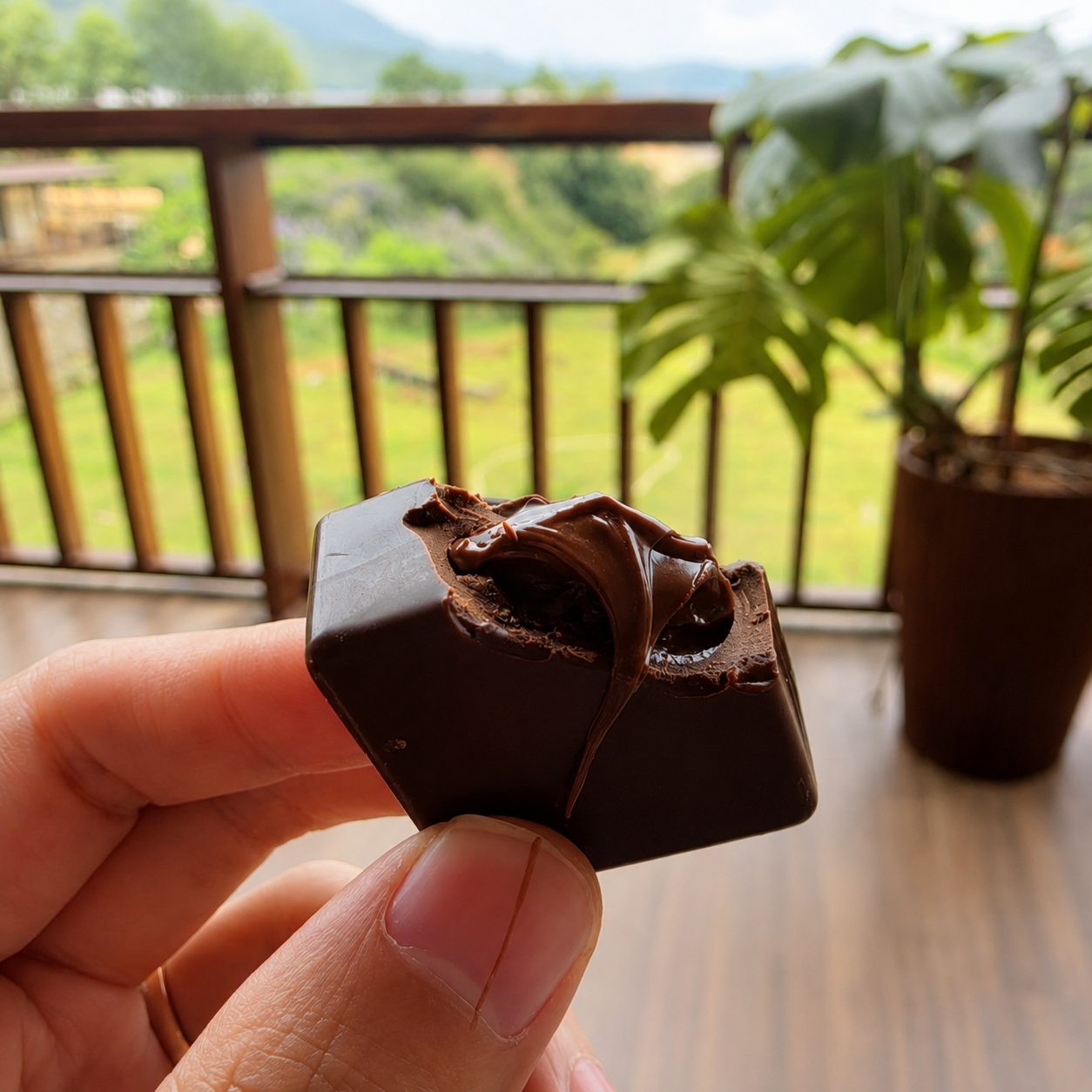
Its defining property is the melting range of 34–36°C, sitting just below human body temperature. That is why good chocolate holds its shape at room temperature yet melts cleanly on the tongue, releasing aroma exactly when the palate is ready for it.
Chemically it is dominated by oleic, stearic and palmitic acids. That composition gives cocoa butter unusual stability — it resists rancidity far better than most plant fats, which is why it also has a long history outside food.
Three Groups of Use
01 — Food
The structural fat of chocolate. It carries aroma compounds, determines snap and gloss after tempering, and defines mouthfeel. It is also added back to adjust flow properties in moulding and enrobing.
02 — Cosmetics
Solid at room temperature, melting on skin contact. Used in balms, body butters and lip products as an occlusive that forms a protective layer. Its oxidative stability gives formulations a long shelf life.
03 — Pharmaceutical
A classical suppository base, precisely because it is solid in storage and melts at body temperature. Also used as an excipient where a stable, inert fat base is required.
Pure Versus Deodorized
Pure / natural
Retains the aroma of the beans it came from. Pale yellow, with a distinct cocoa scent. Preferred where that aroma is wanted — in chocolate made to express origin, and in cosmetics sold on natural character.
Deodorized
Steam-treated to strip aroma, giving a neutral fat. Used where cocoa scent would interfere — white chocolate, certain cosmetic bases, and standardised evaluation recipes where the butter must not contribute flavour.
Neither is inherently better; they serve different purposes. But the distinction matters commercially, because a specification that simply says "cocoa butter" does not tell a buyer which one they are getting.
BALAVA Cocoa Butter
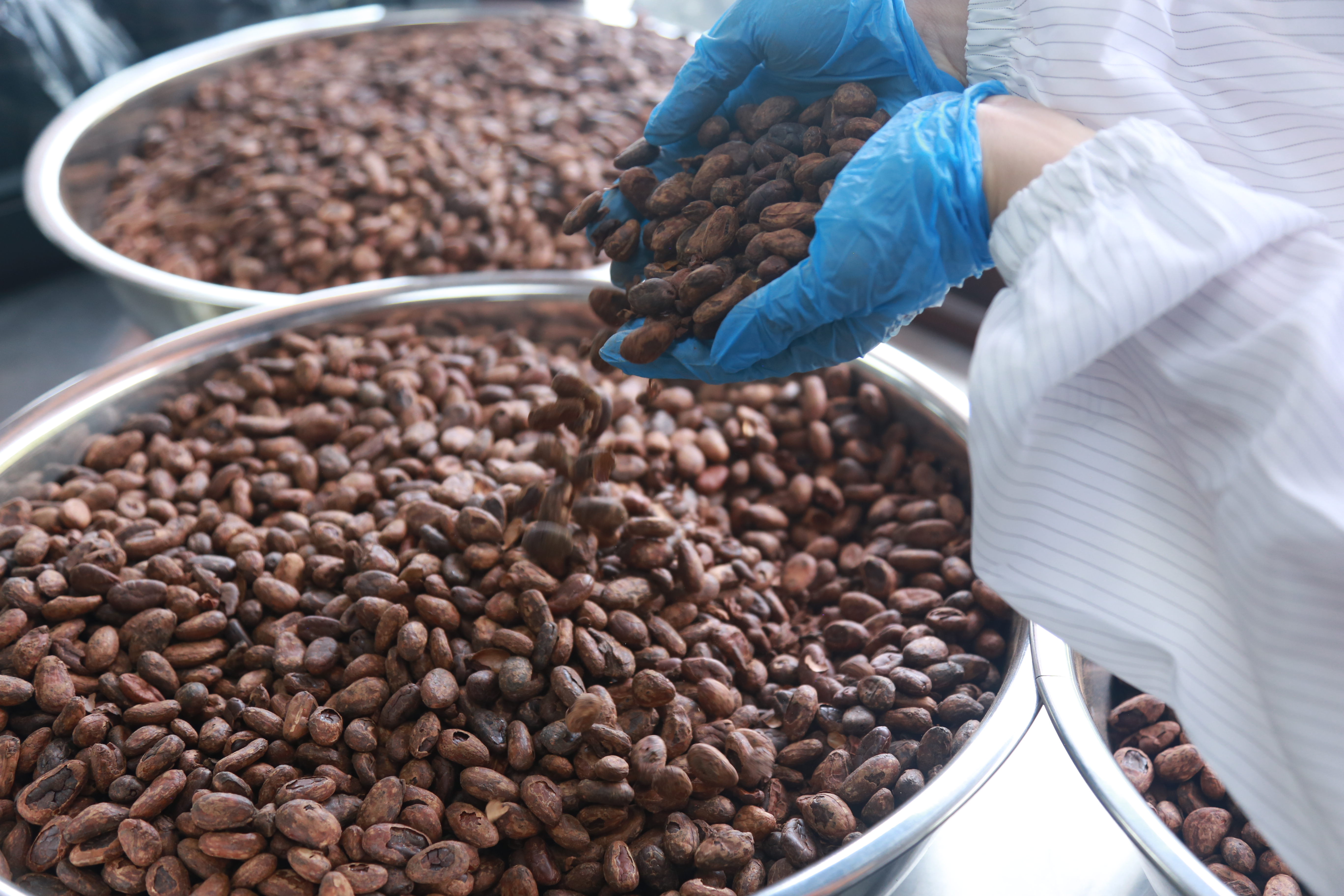
BALAVA presses its own cocoa butter in Da Lat from Lam Dong cacao, fermented in-house via the Nakano Mame method. Running the press ourselves is also what allows us to set the residual fat level in our cocoa powder at 22–25% rather than accept a bought-in specification.
Available for wholesale and export. For technical documentation, contact TGROUP.
Note on figures: the 34–36°C melting range and the approximate 50% fat content of cocoa mass are widely documented properties of cocoa butter. Application descriptions are general industry practice and are not product claims. BALAVA makes no medical or cosmetic efficacy claim for any product.
Wholesale, Export & Corporate Gifting
TGROUP is BALAVA's distribution partner. Contact us for pricing, product specifications and export documentation.
Other review products